
“It Is Important to Him to Be Heard”: How Psychological Support Helped Yehor and His Mother
Seven-year-old Yehor and his mother, Svitlana, live in the settlement of Peresichne in the Kharkiv region. The boy is in the second grade and studies remotely. During most lessons, his mother stays nearby because he can find it difficult to focus on a task, put his thoughts into words, or manage his emotions.
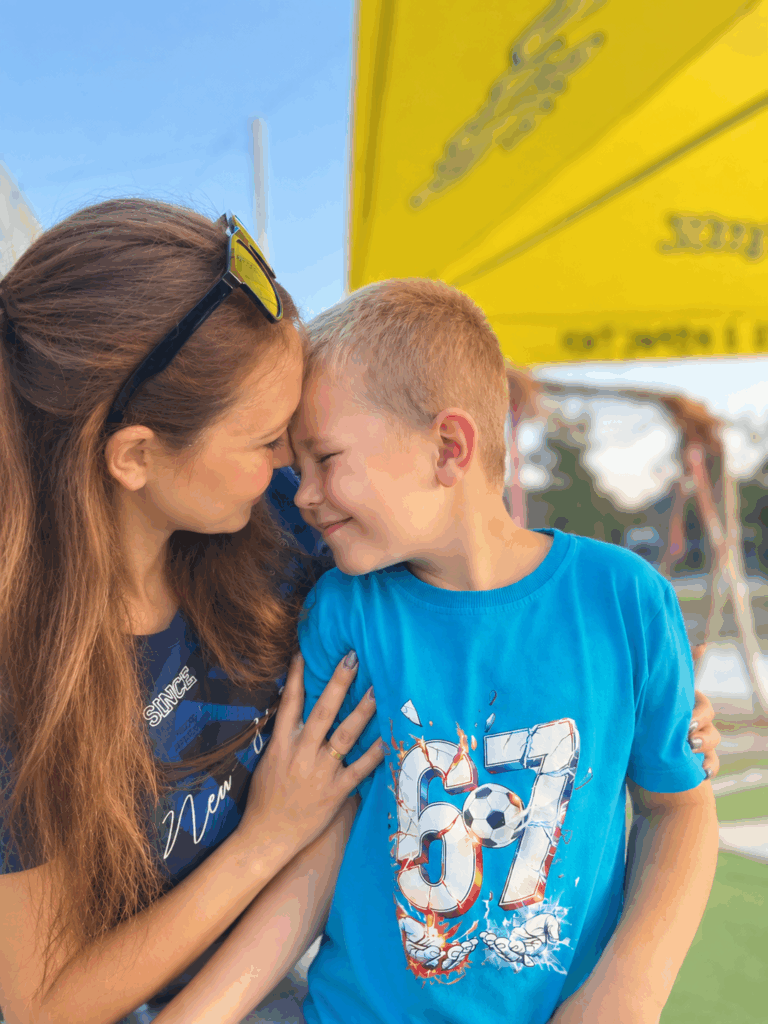
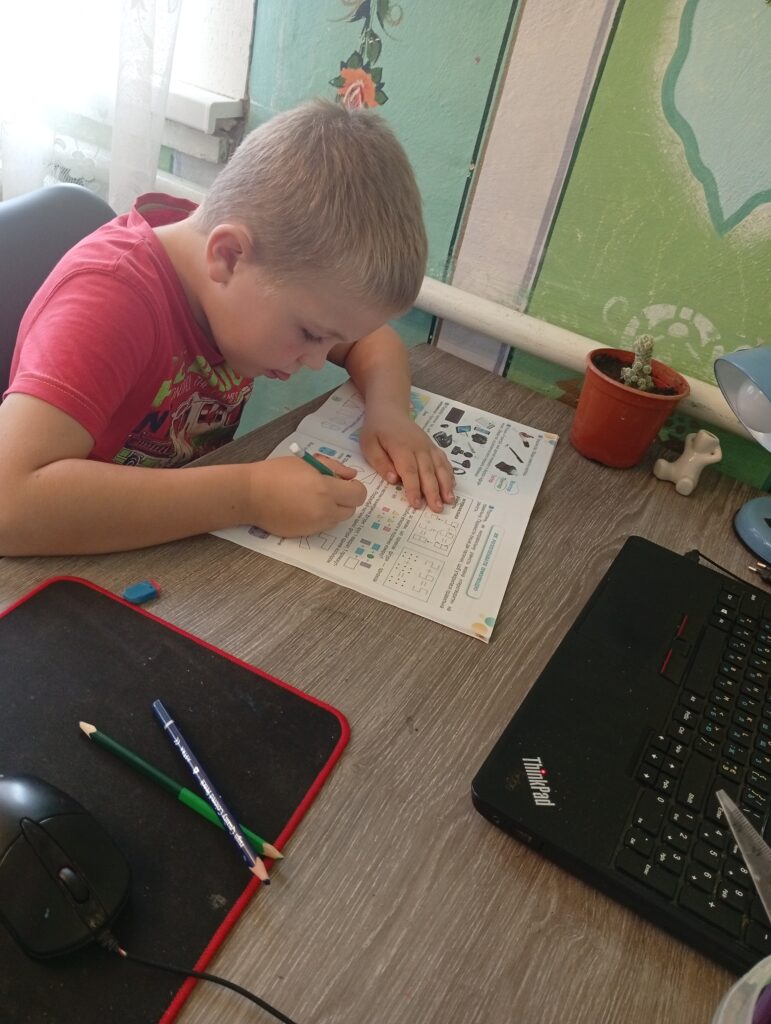
“Online lessons are especially difficult. There are many children, and the teacher needs to hear each of them. Yehor does not always have enough time to finish what he wants to say. He also gets upset when someone completes a task faster than he does,” Svitlana says.
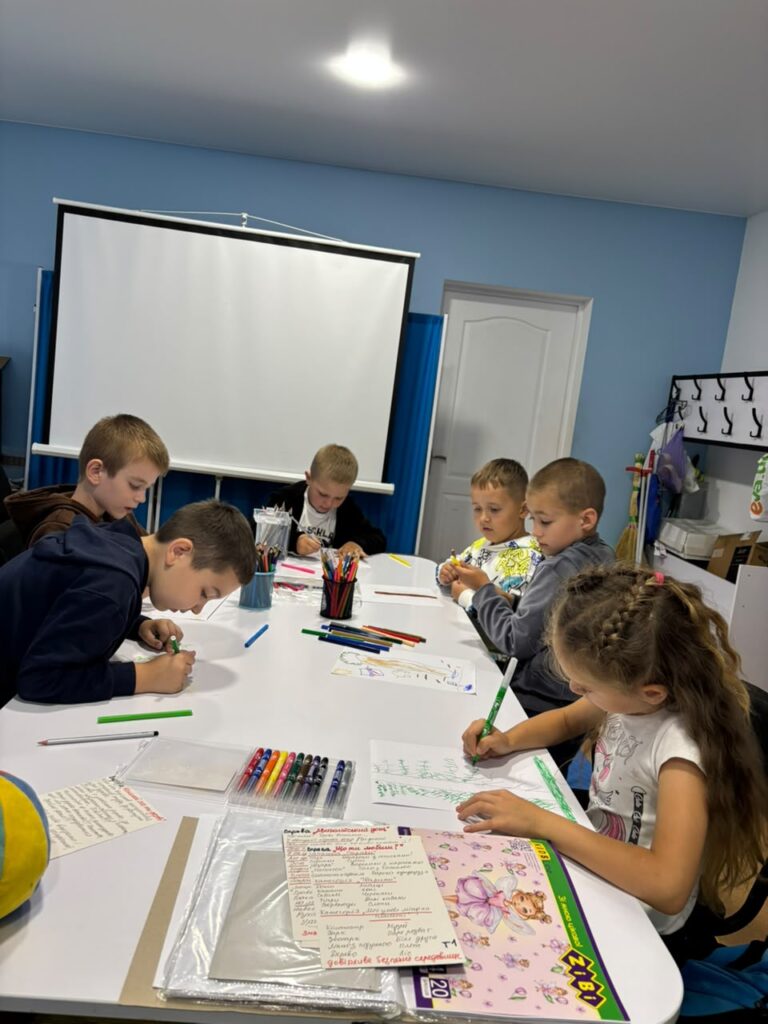
Recently, the family learned about an opportunity to receive psychological support from the NGO Responsible Citizens as part of the Berehynia project, which is aimed at supporting vulnerable people and families in frontline communities in Ukraine. Svitlana and Yehor now attend individual and group sessions with a psychologist.
For Yehor, the sessions have become a space where he is heard and given the opportunity to work at his own pace. He draws, communicates, learns to better understand his feelings, and interacts with other children.
“He liked that they listen to him here, that he gets a lot of attention, and that he can express himself. They let him finish his work instead of saying, ‘You can finish it at home.’ That is very important to him,” Svitlana says.
After just a few sessions, his mother noticed changes in her son. Previously, Yehor would get very upset if another child finished a task before he did. Now he focuses more on his own work, does not rush, and can calmly finish a task at his own pace.
“He has become more able to sit and concentrate. I am very happy because there are no more tears when someone finishes a task first,” his mother says.
Svitlana has also received support through the project. For her, the meetings with a psychologist have been an opportunity to better understand her son and learn how to support him in difficult situations. She has also had a space where she could talk about her own concerns and find answers to questions that arise in everyday life.
“I learned how to better support my child, how to communicate with him, and where to find my own strength. A child draws strength from me, so I also need to replenish mine. At the group meetings, I realized that we are not alone.”
Svitlana also finds a source of strength at home. Caring for plants helps her switch off, recover, and regain her energy.
“We have set up greenhouses, a vegetable garden, and a small garden. This is how we take our minds off the challenges of the war and recharge our energy.”
Today, Svitlana dreams of a safe future for her son — one in which he can fully attend school without air raid alerts and explosions. For now, the family continues to receive psychological support and is gradually learning to cope with everyday challenges.
Svitlana says that seeking help makes it possible to look at difficult situations from a different perspective and feel more confident in one’s own abilities.
“When you are left alone with your problems, it puts a lot of pressure on you. It is important to hear words of support and advice that you might not have thought of yourself. Specialists can help you look at your situation from a different perspective, and you realize that things are not as bad as they seemed. That is why this kind of support gives you the strength and confidence to move forward.”
The Berehynia project is implemented by the Consortium of the United Initiative for the Protection of Frontline Territories, comprising Corus International, the Ukrainian Public Health Foundation, the NGO League of Modern Women, and the NGO Responsible Citizens, with financial support from the Ukraine Humanitarian Fund.
Більше новин
-
 NGO “Responsible Citizens” at the Regional Forum “Every Day for Children”
The Regional Forum “Every Day for Children” took place for the first time in Dnipro, bringing together over 250 participants — representatives of authorities, local governments, child protection services, international and civil society organizations, and law enforcement.
-
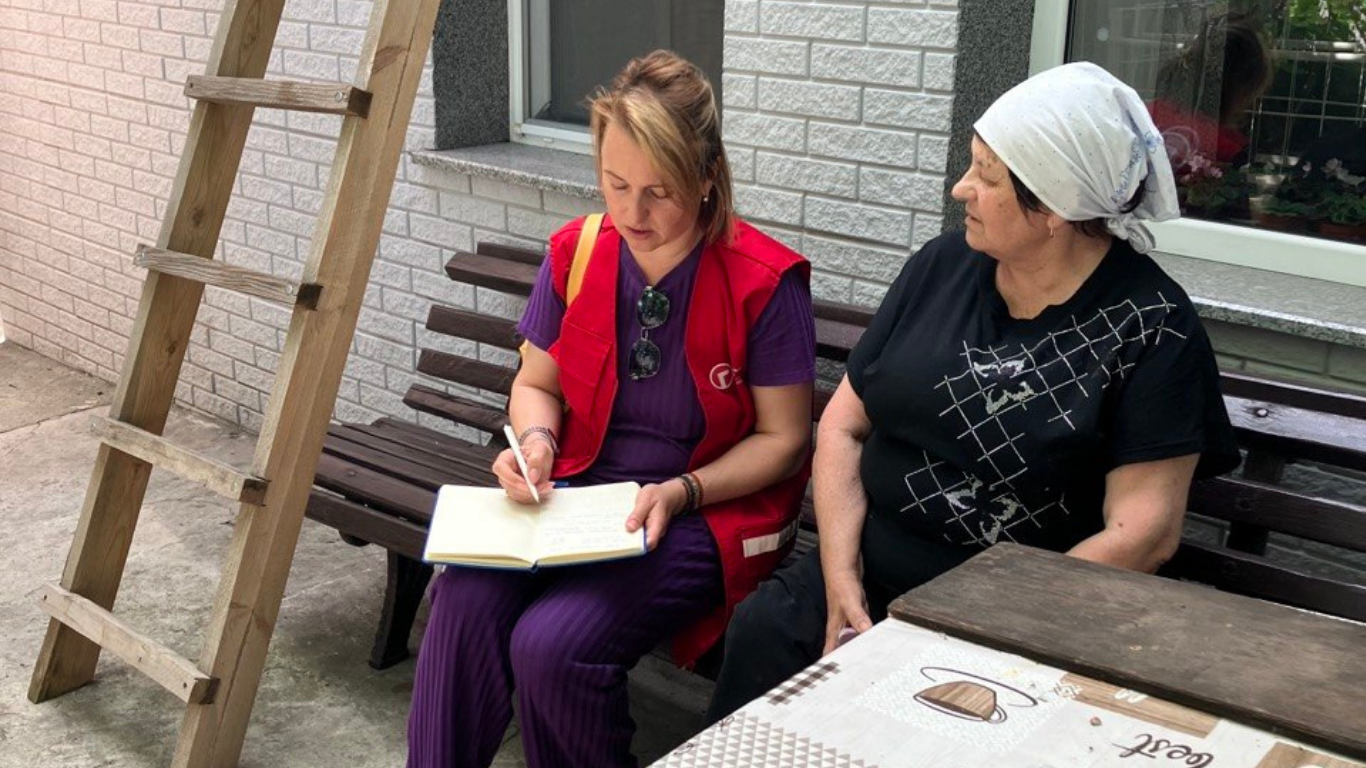 “After shelling, people forget even their loved ones’ phone numbers. Our job is to help them regain stability.”
When a missile or drone hits a residential building, it may seem that the worst is already over. In reality, however, the hardest part often begins after the explosion—shock, disorientation, and the loss of a sense of safety. It is at this moment that the mobile teams of the NGO Responsible Citizens deploy to support people in the Dnipropetrovsk, Donetsk, and Zaporizhzhia regions.
-
 Art as a lifeline: How mobile teams empower children in remote Ukrainian communities
10-year-old Daria lives with her mother, Hanna, in the village of Havrylivka, Kharkiv region. In this remote settlement of the Barvinkivska community, home to fewer than two thousand people, a mobile team from UNICEF and the NGO "Responsible Citizens" regularly visits. The team includes a social worker, a psychologist, and an art therapist.
-
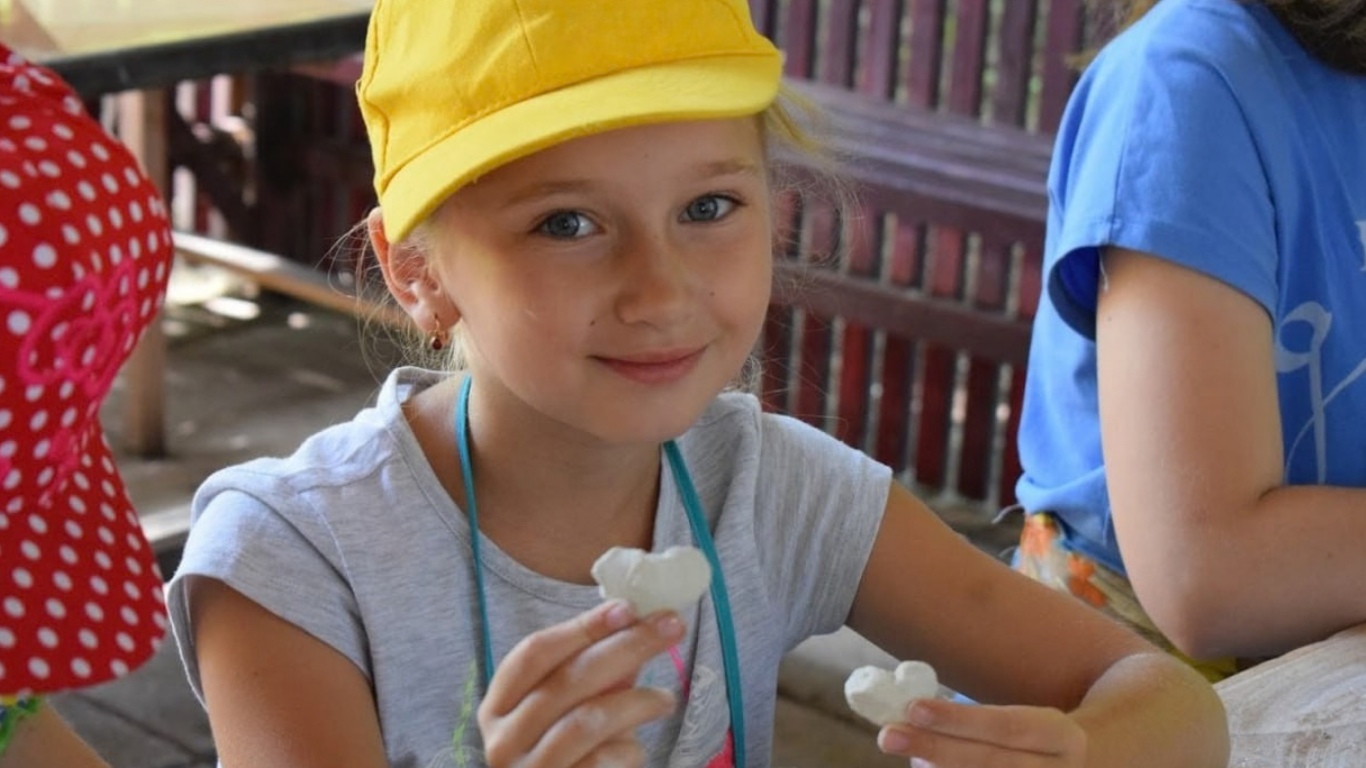 September 21 — International Day of Peace
In 2001, the United Nations General Assembly adopted a resolution proclaiming September 21 as the International Day of Peace. The date is intended to draw attention to the need to preserve peace and build a society where people can live free from fear and violence.
-
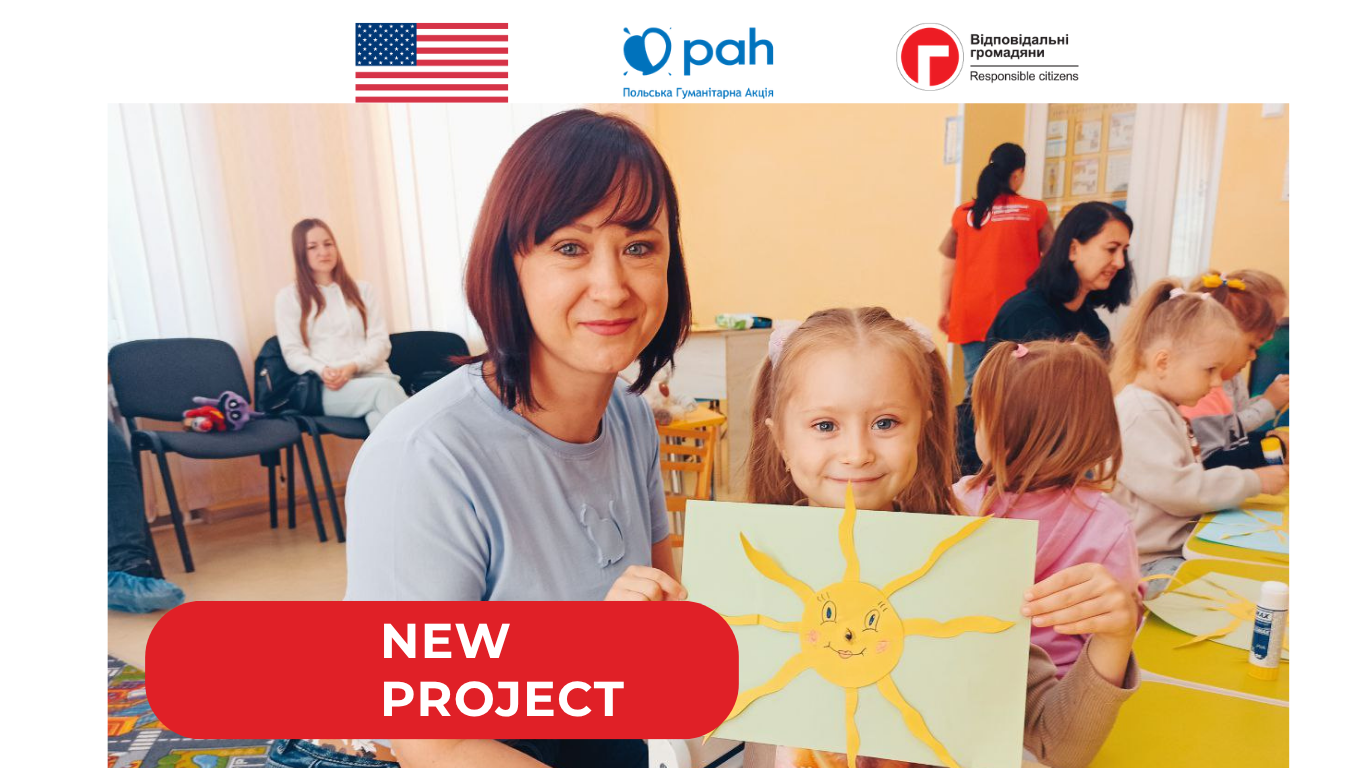 A child protection, psychosocial support and cash assistance project launches in four regions of Ukraine
Responsible Citizens is launching a new project together with the Polish Humanitarian Action (PAH) and with the support of the United States Government in four regions where protection needs remain critical.
-
 Announcing enrollment for career development training
Have you lost your job due to the war? Do you need help finding new opportunities? Want to learn how to create an effective resume and ace interviews? NGO “Re...
-
 First training in 2025: Practical knowledge for effectively addressing individual needs
The NGO "Responsible Citizens" successfully conducted the first training of the year on the topic: "Meeting Individual Needs – From a Sense of Safety to Conflict Mitigation."
-
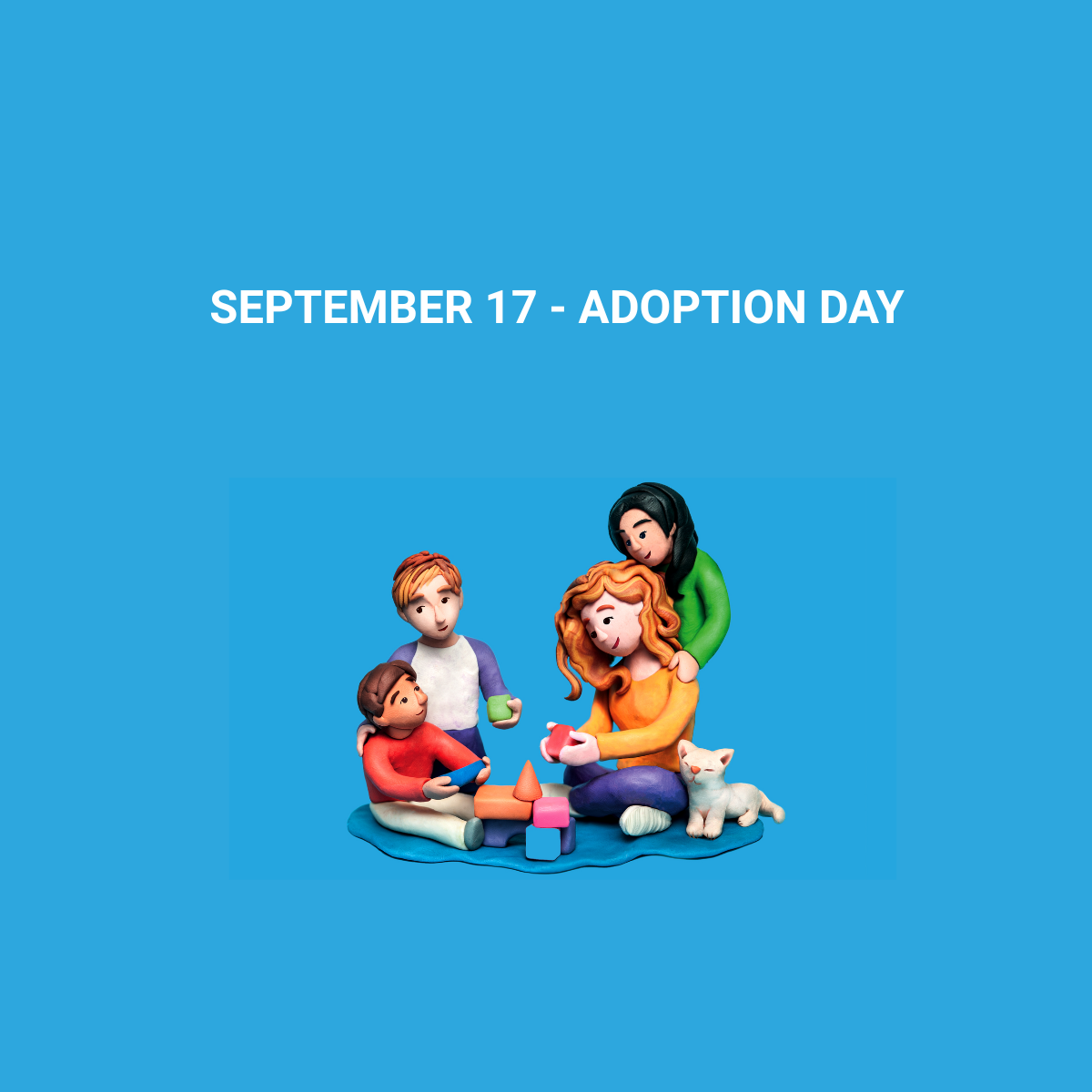 Adoption Day in Ukraine: Care, Love, and Safety for Every Child
In Zaporizhzhia region, the team of the NGO “Responsible Citizens” is implementing a component of the “Better Care” project, supported by UNICEF, in partnership with the Regional Child Services and Regional Social Services Center. Together, we work to ensure every child has a loving family and a safe environment to grow up in.