
“And When I Let Go of the Past, I Wanted to Live”: Oksana’s Story of Her Journey to Recovery After the Trials She Endured
Gender-based violence can take many forms, including not only physical assaults but also threats, humiliation and psychological abuse. Children who live in constant fear are affected by its consequences, too.
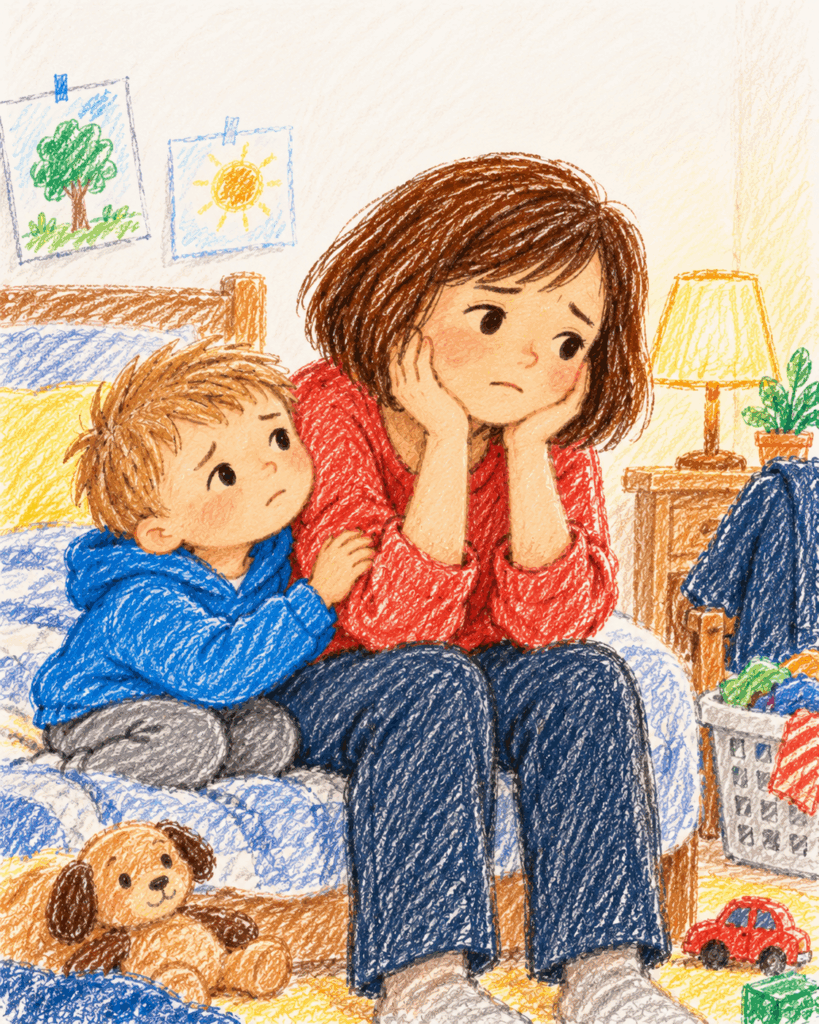
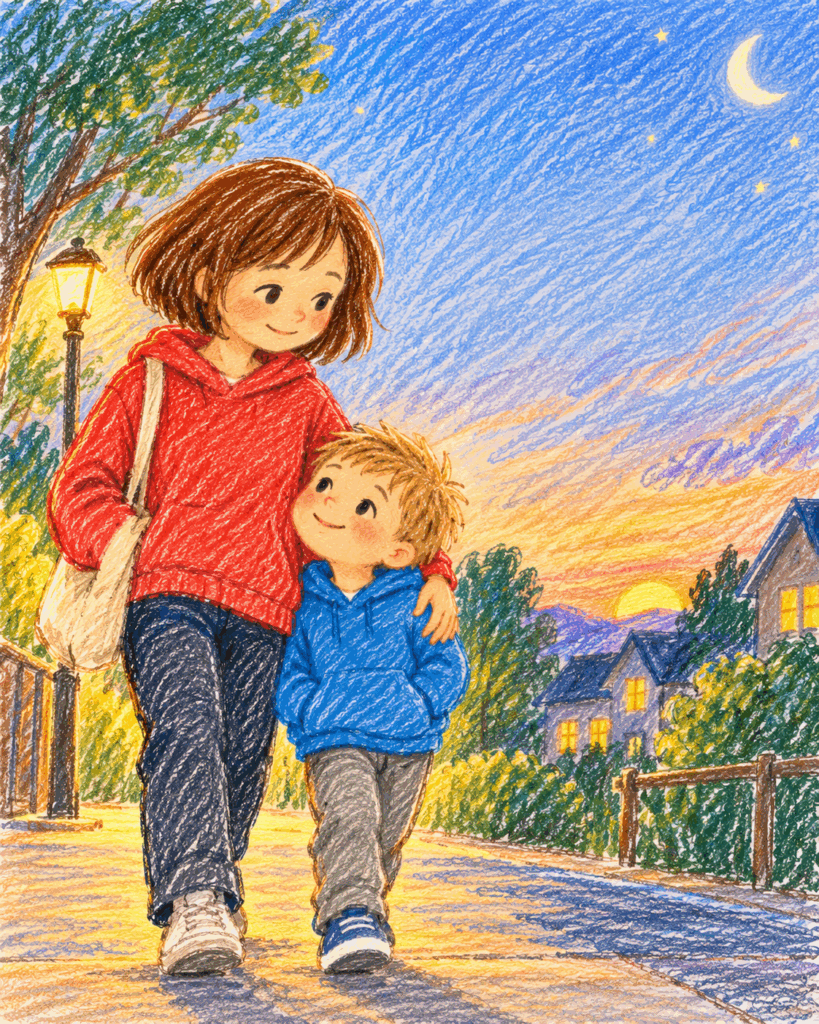
Oksana shared her story with us. With support from specialists at the Responsible Citizens NGO, she gradually regained her strength, began to believe in herself again and started building a life in which there was once more room for her own wishes and joy.
“Inside, you’re just burning up from all of it. And on the other hand, who cares?” This is how Oksana describes how she felt at the time.
Oksana had already experienced violence in her first marriage and found the strength to leave. The same thing happened in her next relationship. Her partner verbally abused her, and the children were also subjected to psychological pressure. Oksana’s older son from her first marriage is studying abroad. Her younger son, seven-year-old Mark, lives with her. Wanting her son to grow up with a father, Oksana endured the abuse for years and stayed with her partner. At the same time, she was the one who had to provide for the family, for the most part.
“I worked two or three jobs. I had to pay the rent and cover everything else. When it became impossible to stay at home, Mark and I would go out for walks until late in the evening. Sometimes we spent the night at the kindergarten where I worked. The director allowed us to stay.”
Eventually, during another incident of physical violence, Oksana contacted the police again. After that, her partner left, but the situation became even more difficult.
“He started threatening me. I didn’t know what to do. I was afraid I might lose my son.”
Mark was also deeply affected by what was happening. The boy was afraid of his father, hid, cried, screamed and tried to run away. Oksana could see how frightened her child was, but she felt helpless herself. She had almost no one she could talk to about what was happening.
“My colleagues saw the bruises and could see how I was doing, but they didn’t ask anything. Meanwhile, I threw myself into work because the more you work, the less you think about all of it. And we needed the money, too. My mother said a child needed their own father. But I was thinking about the children and how to get through it all.”

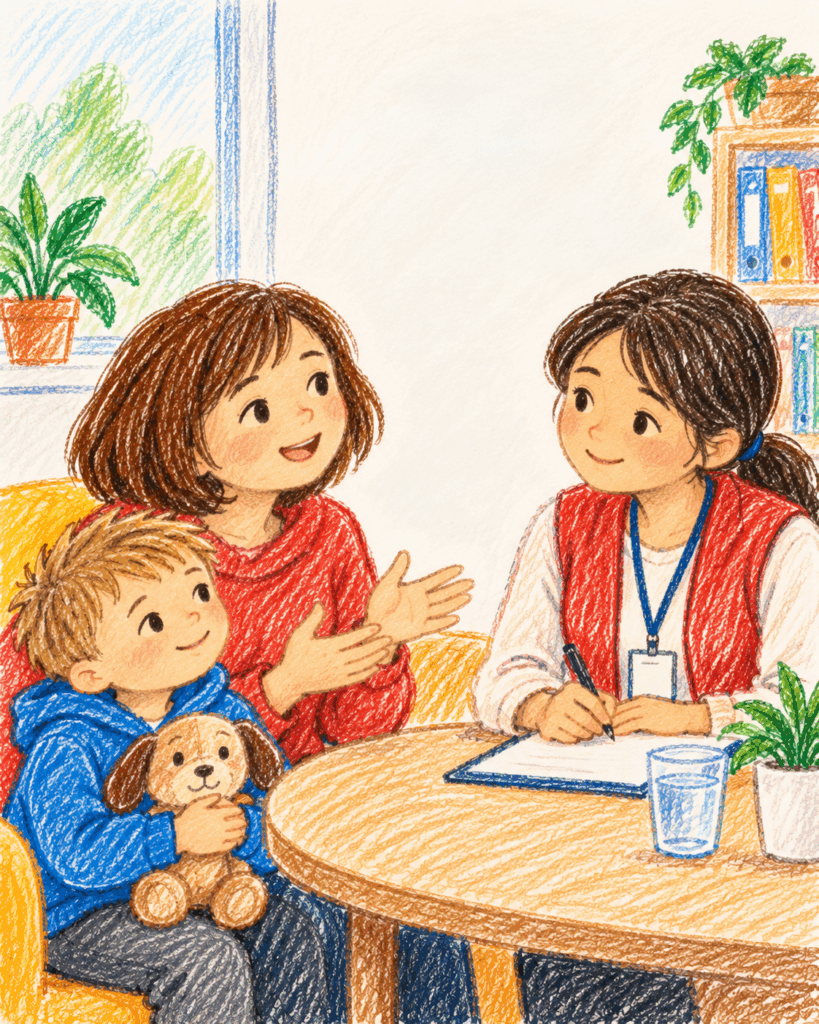
In late spring 2026, Oksana contacted social services to ask whether she could lose her parental rights because of a conflict with her former partner. The staff advised her to seek help from specialists at the Responsible Citizens NGO.
“I didn’t know you could reach out for help like that. Before, the word ‘psychologist’ meant to me that you only went to one when you’d gone crazy. But when someone beats you, abuses you and your children, and it happens repeatedly, you have to turn to someone for help.”
By that point, Oksana was so exhausted that she struggled to manage everyday tasks. All her energy went into work and taking care of her children.
“The psychologist said I was very closed off. One thing happened after another: one trauma, then another. I couldn’t just let it all go. We gradually started working through it.”
One of the goals of the counselling sessions was to find things that brought Oksana pleasure. Nothing big or complicated, just simple things she had barely paid attention to before.
“We tried to find ten things I liked doing. I started simply sitting on a bench and looking at the grass, the sky and the flowers. I started just sitting and breathing. Before, I was always rushing somewhere, always doing something. But now I had to stop and spend some time with myself.”
Gradually, Oksana learned to listen to herself and her own feelings. It was also important for her to understand how her emotional state affected her son.
“The psychologists taught me how to calm down, meditate and smile, so Mark could see that, too. Because when a child sees what I’m like, it affects him as well.”
Mark also received psychological support. Oksana noticed changes not only in his mood but also in his behaviour. One day, they ran into her former partner on the street. The man asked his son to stop and talk, but the boy, who was riding his bicycle, decided to keep going.
“Before, he was very angry and frightened. He would run away from his father, cry and hide. But this time, Mark simply turned around calmly and rode on. It was as if the man wasn’t even there. That really showed me how much things had changed.”
Oksana also received legal consultations about the apartment where the family lives and how to protect her rights. She now tries to resolve issues involving her former partner through lawyers, without communicating with him directly. This makes it easier for her to stand up for her interests and focus on herself and her child.
Changes also came in her working life. Oksana changed jobs and now works with children who are no longer in their parents’ care and have been through difficult experiences.
“I want to show them the best things in life. I want to change their lives so they can enjoy them, so they don’t have to look back at times when things were very hard and frightening and there was no one to protect them. I want them to live and make plans for the future.”
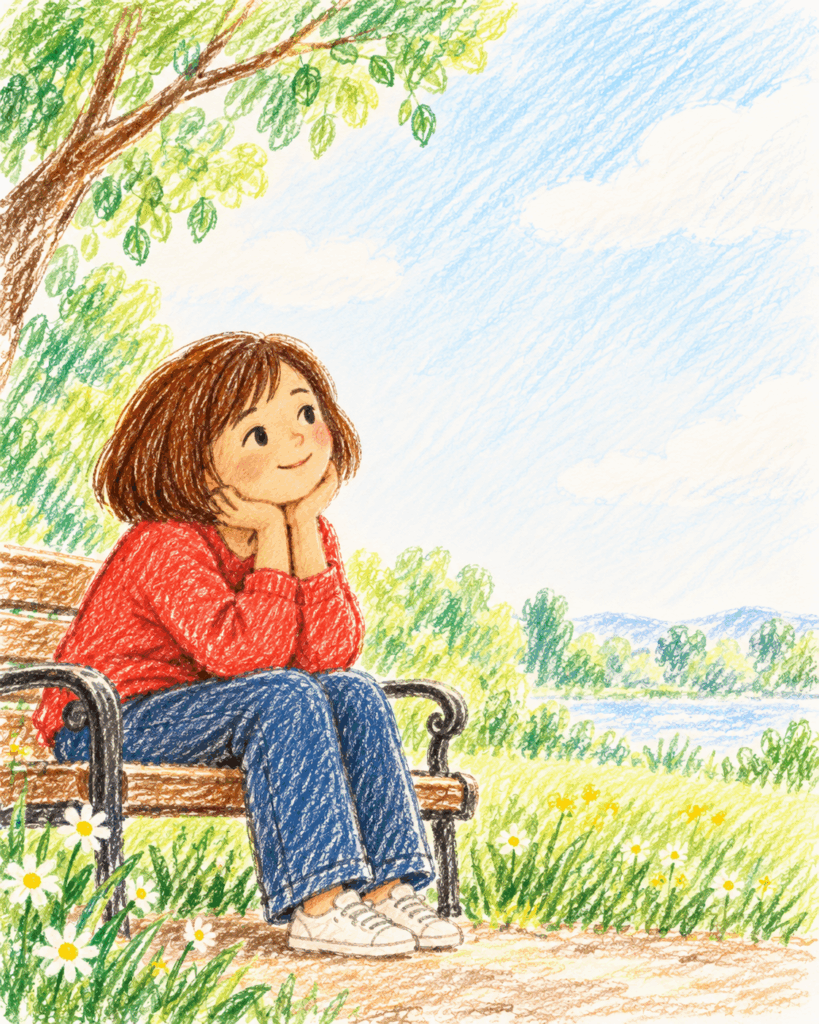

Oksana has started making time for herself again and enjoying moments with her son. She describes how much her life has changed through the simple things that now bring her joy once more.
“My hair had gone grey. I didn’t get it cut. I’d tie it back in a ponytail, put on jeans and a T-shirt, and rush off to work. But when I let all of that go, I wanted to live. I got my hair cut and dyed, and started wearing dresses. My son and I began going for walks just for the pleasure of it. I changed jobs, and now I walk there calmly instead of rushing.”
Oksana regrets not seeking psychological help sooner. She wants women going through similar experiences not to put off taking care of themselves and their children or wait until they have almost no strength left to endure the situation.
“I want them never to doubt their own strength. I want them to think first and foremost about themselves and their children, rather than, as I did, about their partner and the fact that he is the children’s father. I want every woman not to push herself to the very limit, as I did. I want them not to be afraid and to reach out for help.”
“I’m very grateful to your specialists for coming into my life and helping me,” Oksana adds.
The support described in this publication is provided as part of UNICEF’s project, “Protection Services for the Most Vulnerable Children and Parents (or Caregivers) in Communities across Donetsk, Dnipropetrovsk and Zaporizhzhia Regions.” The project is implemented by the Responsible Citizens NGO with financial support from the U.S. Government and UNICEF.
If you or your child need psychosocial support, please call the hotline: +380 66 567 00 16 Hotline hours: Monday to Friday, 9:00 a.m. to 6:00 p.m.
Більше новин
-
 November 2 — Social Workers’ Day
This day is an opportunity to thank those who support people in difficult life circumstances every single day. Social workers step in when all other resources are exhausted — when a person has lost their home, loved ones, job, or sense of safety.
-
 When strategy works: how communication becomes a driver of change
How do you make sure a strategy doesn’t just sit on paper but actually works — inspires, unites, and leads forward? How do you build a dialogue with media, partners...
-
 Responsible Citizens сreate a working group of educators
Responsible Citizens Create a Working Group of Educators Education is constant development, change, and challenges. It’s a competition for quality knowledge, reduci...
-
 Sent over 320 kg of Humanitarian Aid to the Kharkiv Region
The team at NGO “Responsible Citizens” continues to support those affected by the war, providing essential humanitarian aid. Thanks to the Nova Poshta Humanitarian ...
-
 Project to overcome educational gaps completed: what we achieved
NGO Responsible Citizens, in partnership with the government of the Faroe Islands, has completed a project aimed at addressing educational gaps among primary and secondary school students in Dnipropetrovsk oblast.
-
 Catching Up on educational losses in eastern Ukraine
Educational losses of children due to the war have become a challenge that the NGO “Responsible Citizens” started addressing last year. In the complex o...
-
 Catch-Up classes launched
In partnership with the Government of the Faroe Islands, catch-up classes have been organized since September 2024 for children who have experienced educational los...
-
 Application Phase for the Mini-Grants Program in Kharkiv Region Has Ended
We have completed the application phase for the mini-grants program for local initiatives in Kharkiv Region, implemented by the NGO “Responsible Citizens” in partnership with JERU and with financial support from the Ukraine Humanitarian Fund.