
November 2 — Social Workers’ Day
This day is an opportunity to thank those who support people in difficult life circumstances every single day. Social workers step in when all other resources are exhausted — when a person has lost their home, loved ones, job, or sense of safety.
Eleven years ago, Responsible Citizens began as a volunteer initiative. We collected essentials to help people affected by the war.
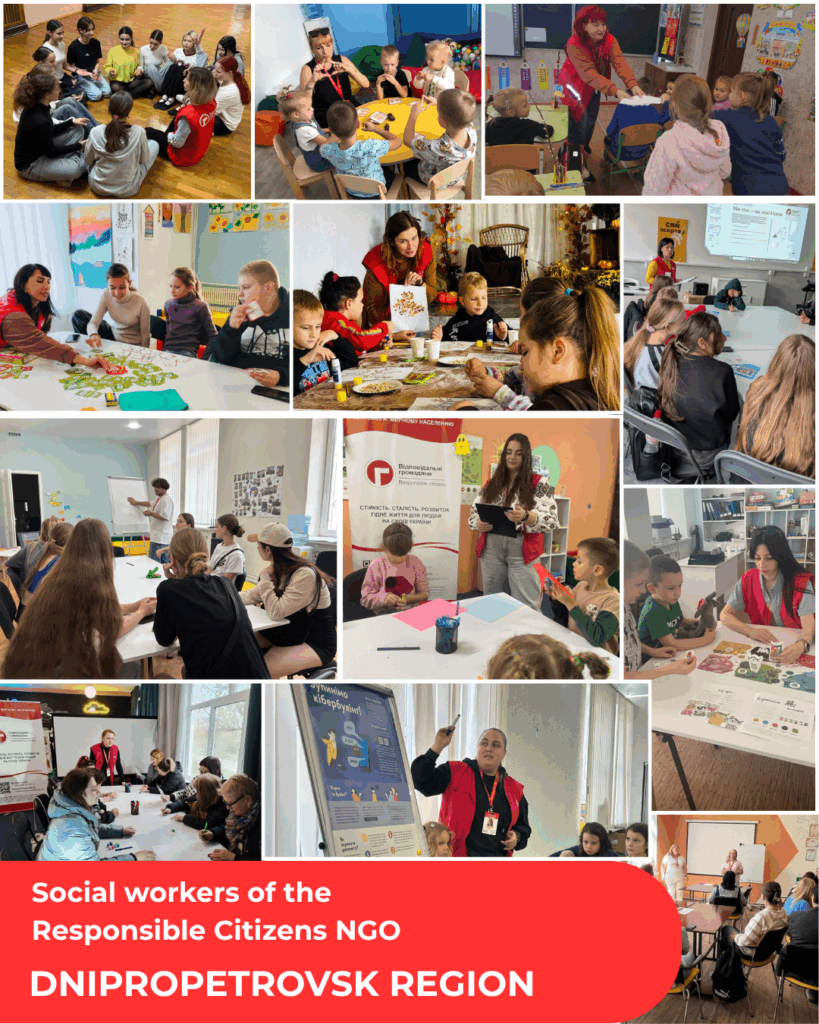
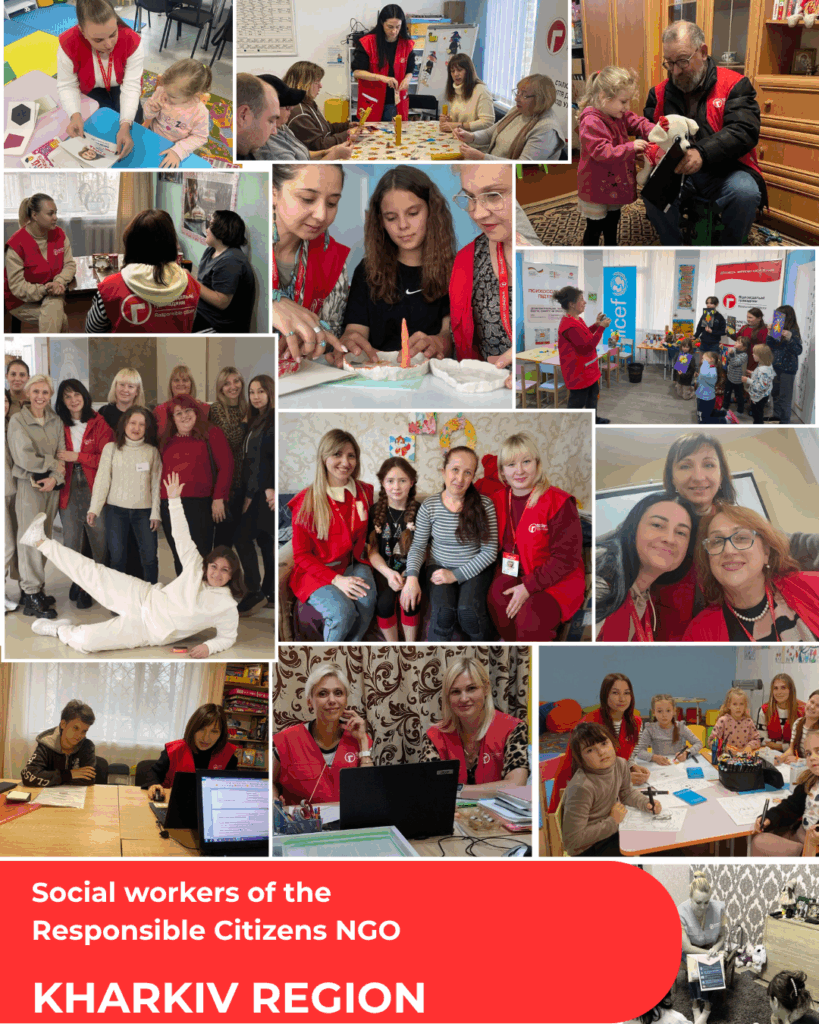
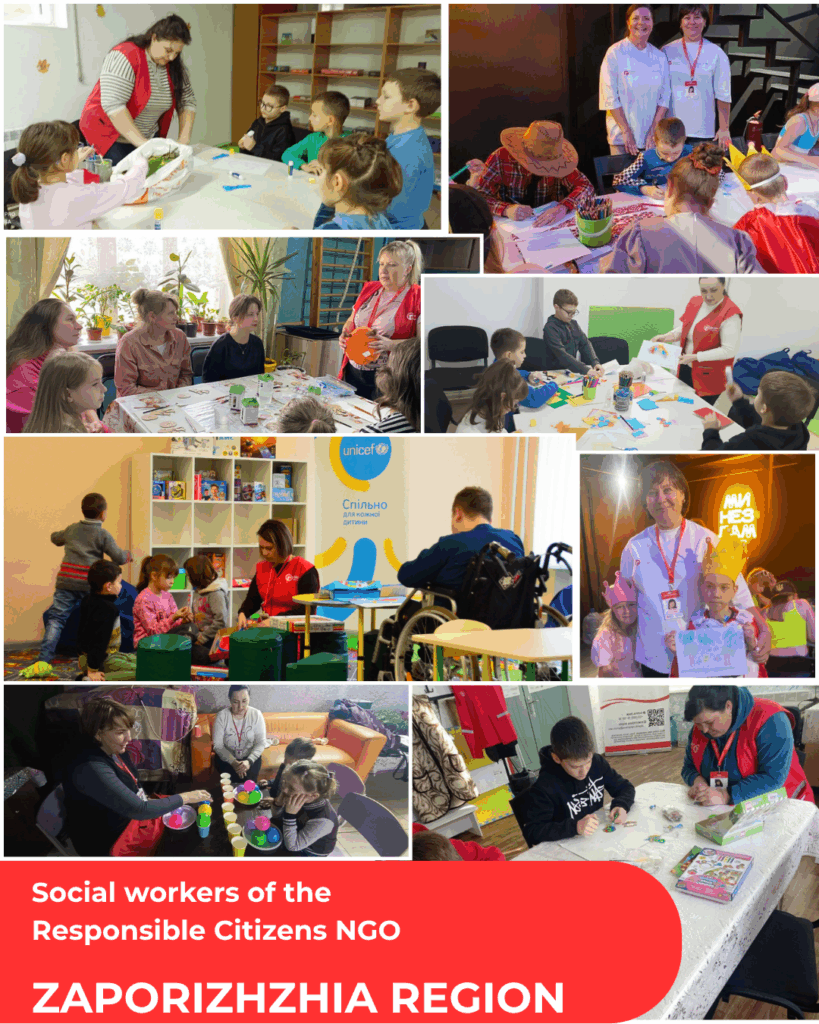
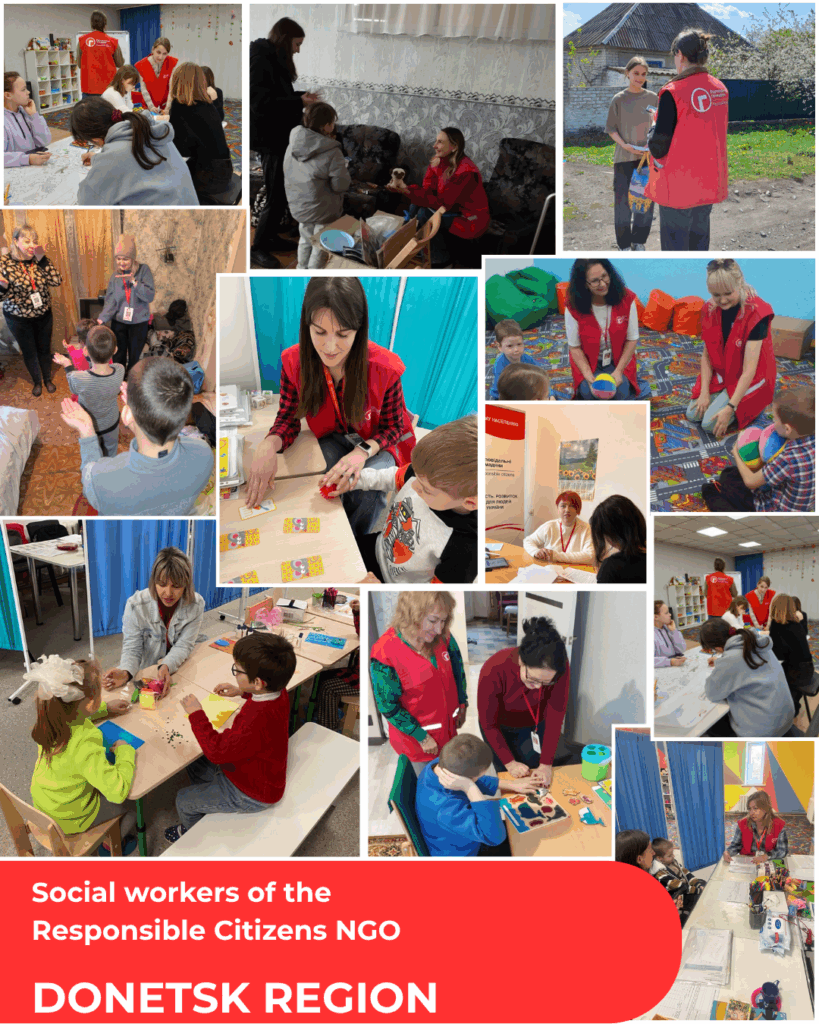
Today, our team brings together more than 200 social workers operating in five frontline regions of Ukraine — Donetsk, Kharkiv, Dnipropetrovsk, Zaporizhzhia, and Sumy oblasts.
We work with families who have experienced loss, with people who fled the fighting, and with those who are on the edge of their own strength.
We help restore documents, find housing, access medical or psychological assistance — and do everything possible so that people are not left alone with their challenges.
“Over the years, we have built an effective system of social work — from assessing needs to long-term support. It allows us to care for the most vulnerable and help them regain stability. This is how trust, resilience, and the capacity of communities to act together are built,”
— Enrique Menendez, Director of Projects and Programs, Responsible Citizens NGO.
We thank every member of our social team for their professionalism, patience, and humanity.
Your daily work gives thousands of people a sense that they are not alone.
The strength of our team lies in mutual support, in the ability to listen to one another, and in moving together toward a common goal — helping people.
Більше новин
-
 Child-Friendly Space Opens in Piatykhatky
We started the week with great news. In Dnipropetrovsk region, the NGO “Responsible Citizens” has opened its 28th Child-Friendly Space in a joint projec...
-
 “We left home but didn’t find safety”: what a survey of evacuees from Donetsk region reveals
An Analysis of Evacuation Experiences That Should Shape New Approaches to Supporting Internally Displaced Persons in Ukraine
-
 Team of Responsible Citizens NGO is looking for a Compensatory Learning Programmes Expert
Key responsibilities include supporting compensatory learning programmes, analysing educational outcomes, coordinating with stakeholders, participating in relevant working groups, and preparing analytical materials.
-
 Support for Adolescents in Kharkiv Region: New Skills for Psychologists
NGO Responsible Citizens, together with UNICEF Ukraine, continues to expand its support for specialists working in frontline communities. Our focus is on developing skills that enable professionals to effectively support young people in challenging conditions.
-
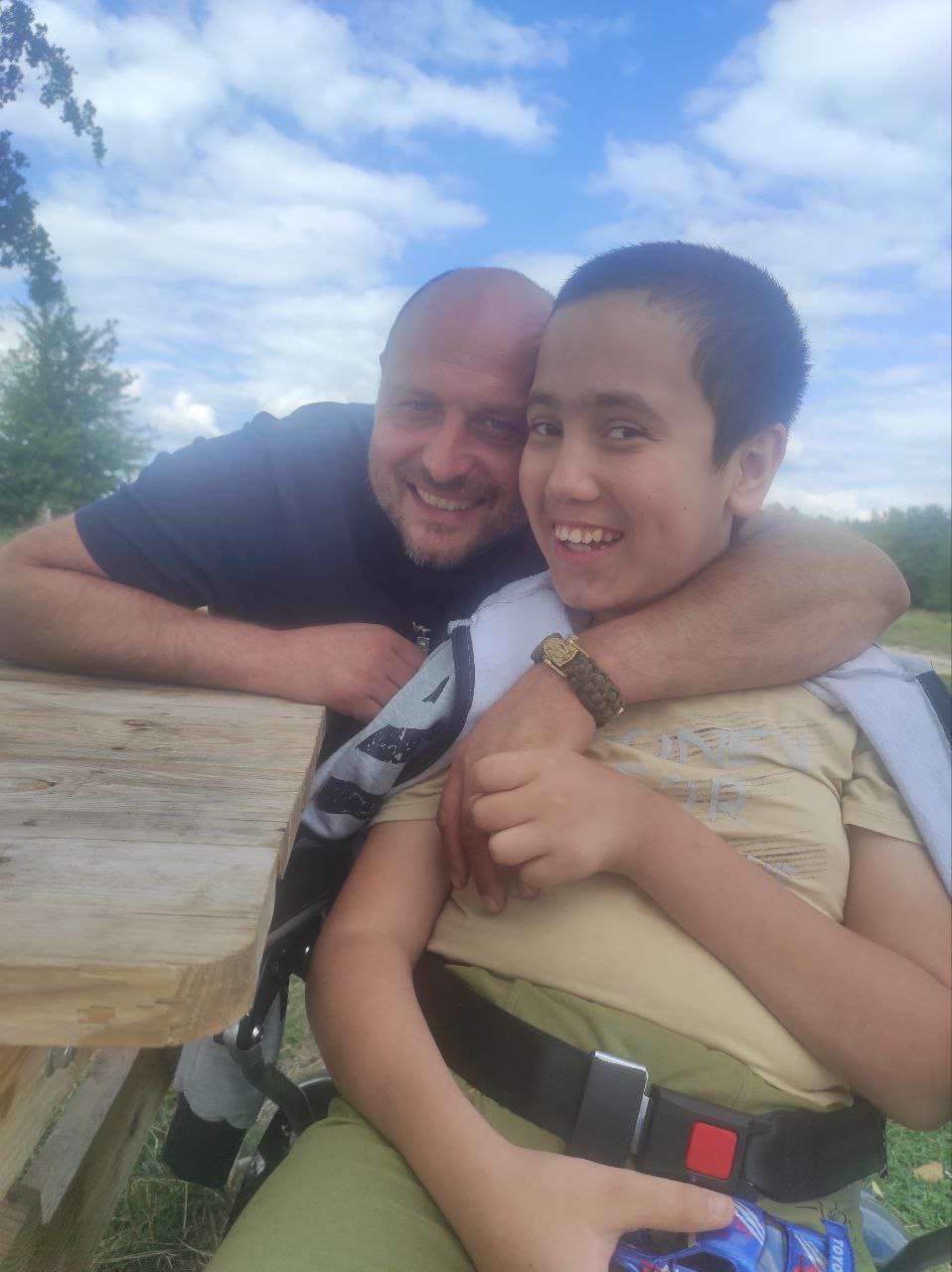 Psychological Support and Cash Assistance: The Story of Maria’s Family from Velykyi Bobryk
Через виклики війни та втрату житла родина Марії переїхала до Великого Бобрика на Сумщині, де отримала психологічну підтримку та грошову допомогу від ГО «Відповідальні громадяни» у партнерстві з JERU.
-
 September 21 — International Day of Peace
In 2001, the United Nations General Assembly adopted a resolution proclaiming September 21 as the International Day of Peace. The date is intended to draw attention to the need to preserve peace and build a society where people can live free from fear and violence.
-
 Renewal through learning: creating new opportunities
Anastasia, a school psychologist with over 13 years of experience, has always sought growth. Her role involves helping children and teachers overcome challenges and maintain resilience.
-
 The organization “Responsible Citizens” has joined the “Ukraine for Every Child” Manifesto
On the occasion of Universal Children’s Day, which this year marks the 35th anniversary of the Convention on the Rights of the Child, the organization “...