
A cycle of mine safety classes for children continues in the Kharkiv region
These trainings became possible thanks to cooperation within the Child Protection Cluster, where one of the coordinators is Olena Khvatynets, project manager of the NGO “Responsible Citizens” in the Kharkiv region.
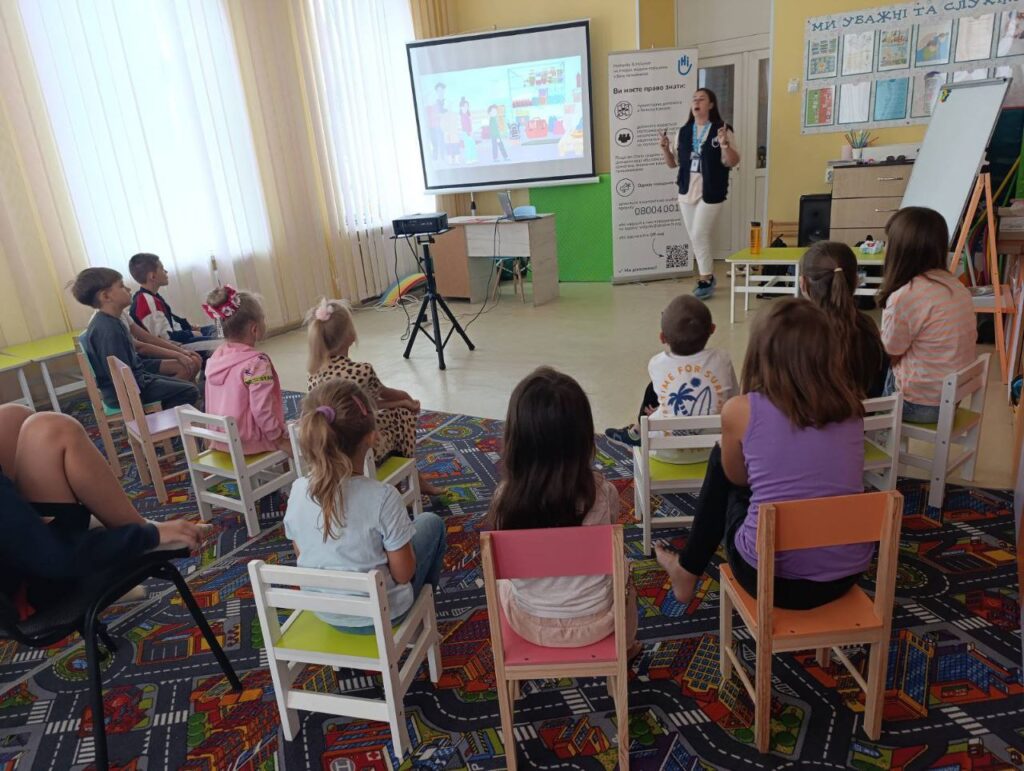
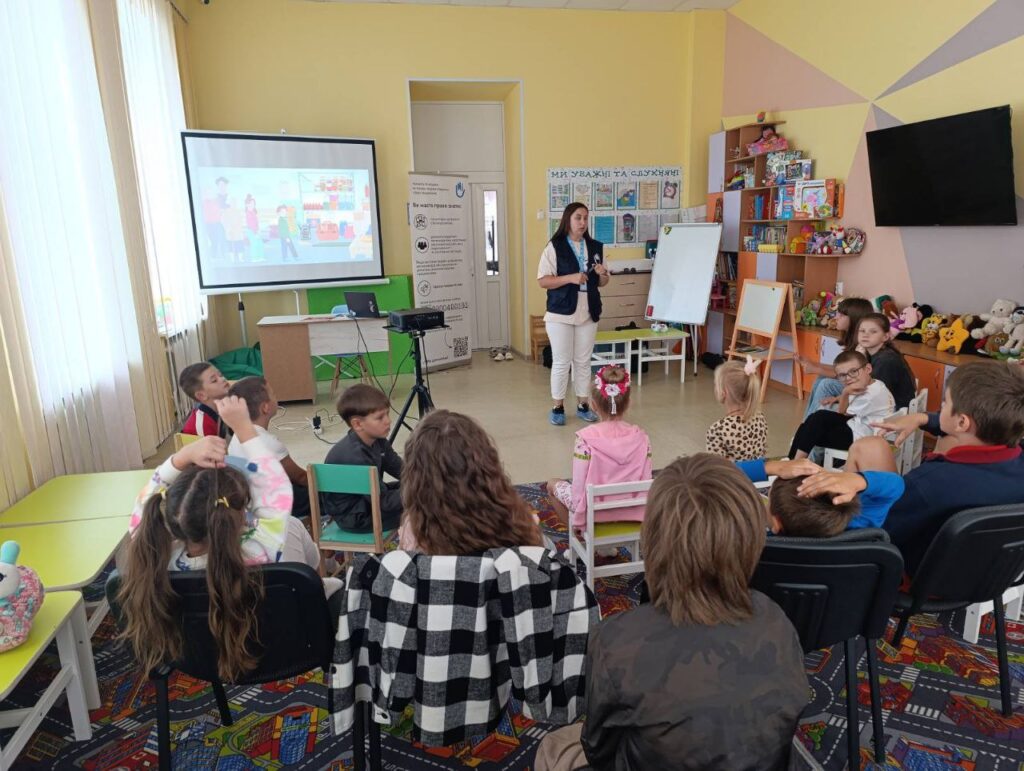
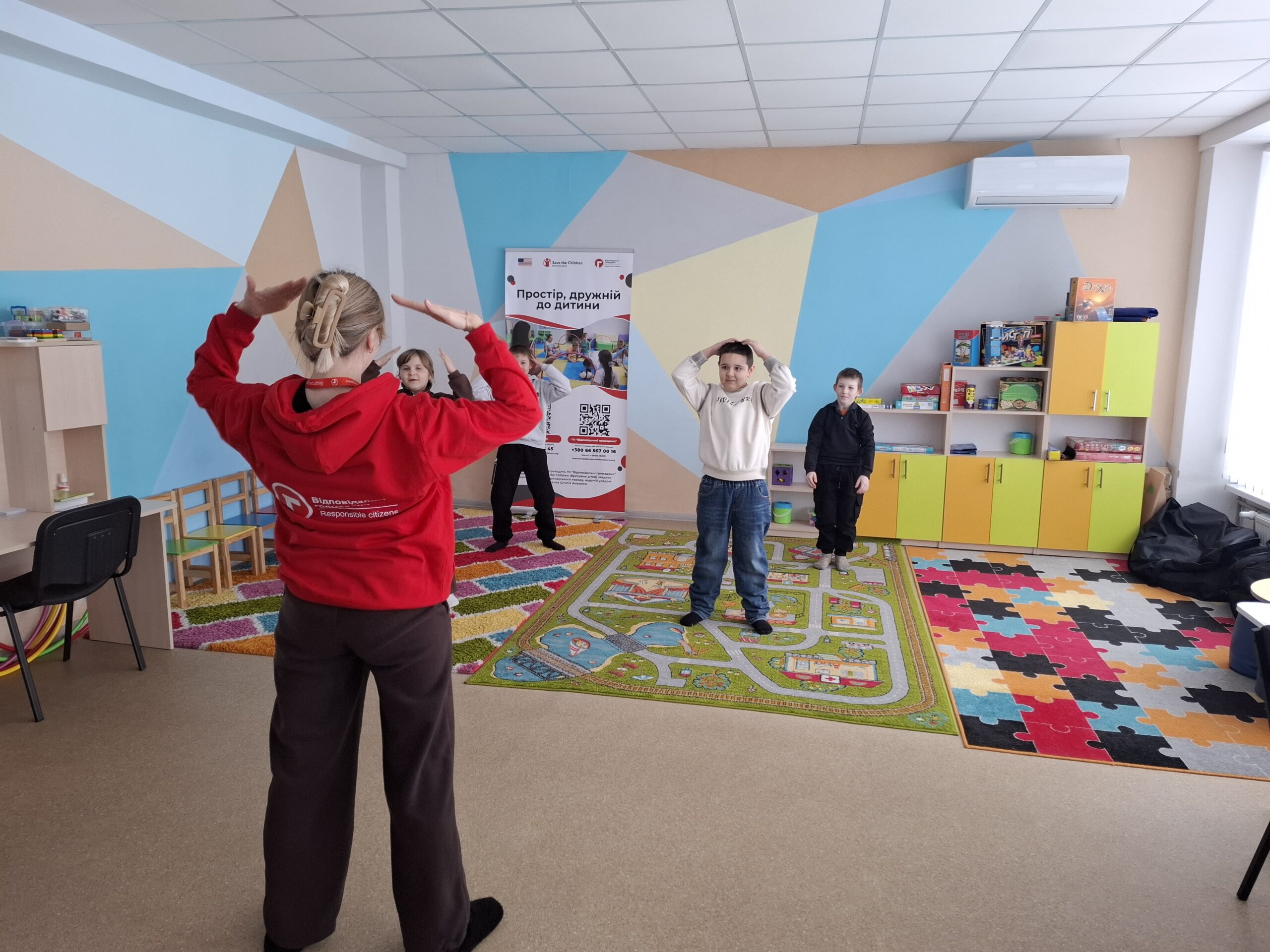
Specialists from the international organization Handicap International (Humanity & Inclusion) visited Child-Friendly Spaces and conducted the “Mine Safety” session.
In an accessible format — through cartoons and practical exercises — children:
- learned what dangerous objects look like;
- understood why they should not touch them;
- practiced their actions in case of finding a suspicious item;
- reinforced knowledge through communication and real-life examples.
Geography of implementation
Classes have already been held in four Child-Friendly Spaces in the Kharkiv region: Berestyn, Barvinkove, Malynivka, and Solonytsivka.
In the near future, trainings will take place in Sakhnovshchyna, Pivdenne, Zachepylivka, and Kharkiv.
“Children need constant updates of knowledge about mine safety. Technologies change, and we must teach them to recognize new threats. This information can save lives — their own and their friends’. It is especially important to start with the youngest schoolchildren, and for older ones — to repeat and consolidate this knowledge. The issue of mine danger will remain relevant for many years after the war,” emphasized Olena Khvatynets.
We thank Humanity & Inclusion for the important training and warm gifts for children.
Більше новин
-
 “This support helps us hold on and brings back hope”
Payments are coming to an end for residents of Sumy Oblast who registered for multi-purpose cash assistance in the autumn. This support was organized by the NGO Responsible Citizens in partnership with JERU (a joint initiative of the international organizations Welthungerhilfe and Concern Worldwide) and funded by the Federal Foreign Office of Germany (AA).
-
 Announcement: teacher training enrollment now open
Attention teachers from Marganets and Kryvyi Rih, Dnipropetrovsk Oblast
-
 Crucial support: stories of people who received assistance during the war
As part of the multipurpose cash assistance project, the NGO “Responsible Citizens,” together with partners, has helped hundreds of people affected by t...
-
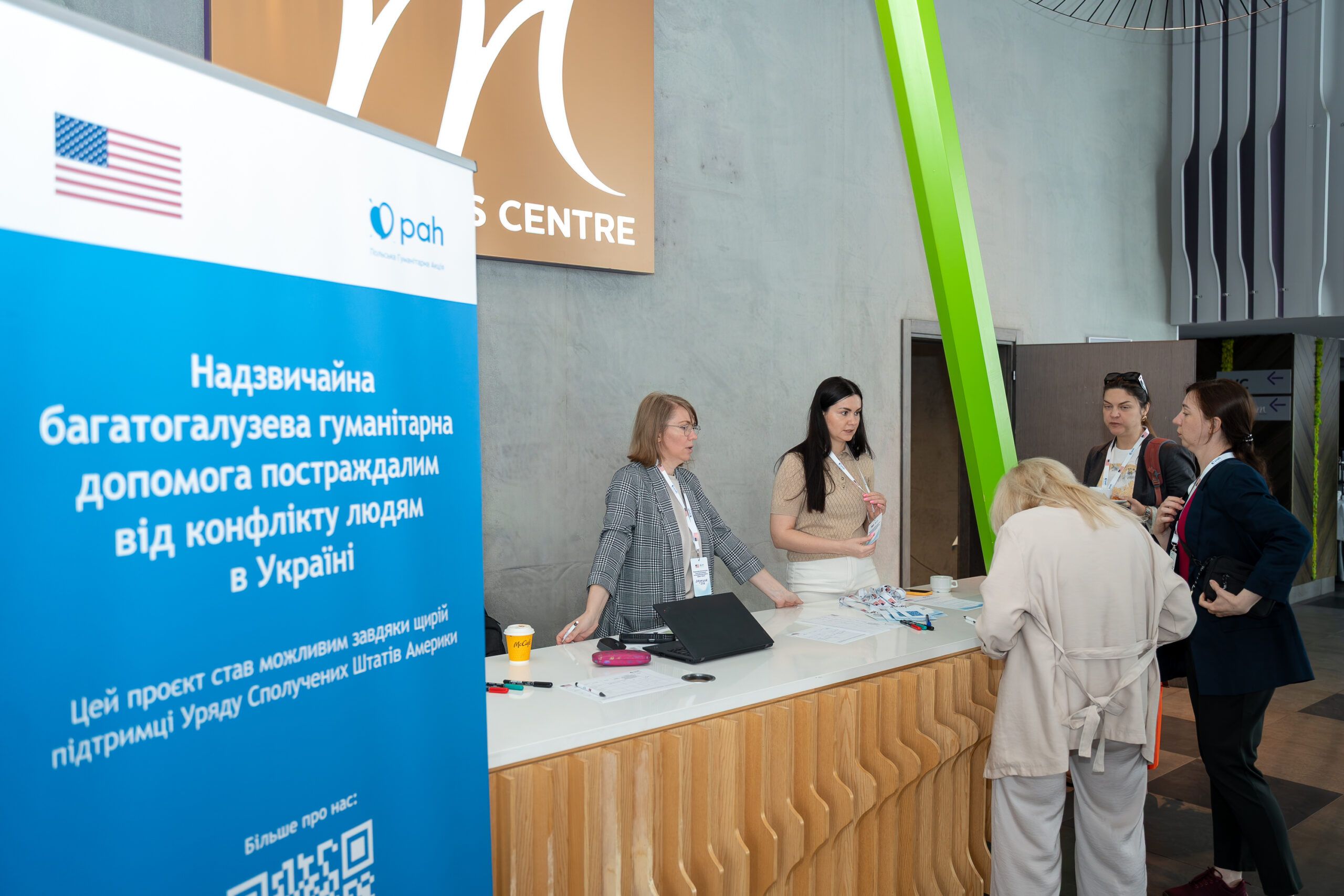 Responsible Citizens NGO joined the workshop “Humanitarian Partnership for Supporting Conflict-Affected People in Ukraine”
The event brought together 22 partner organisations of the Polish Humanitarian Action (PAH), Polska Akcja Humanitarna (PAH).
-
 On Youth Day, “Responsible Citizens” participated in the All-Ukrainian Youth Forum
Youth leaders and activists from civil society organizations across Ukraine gathered in Kyiv for three days to unite their efforts and articulate their vision for t...
-
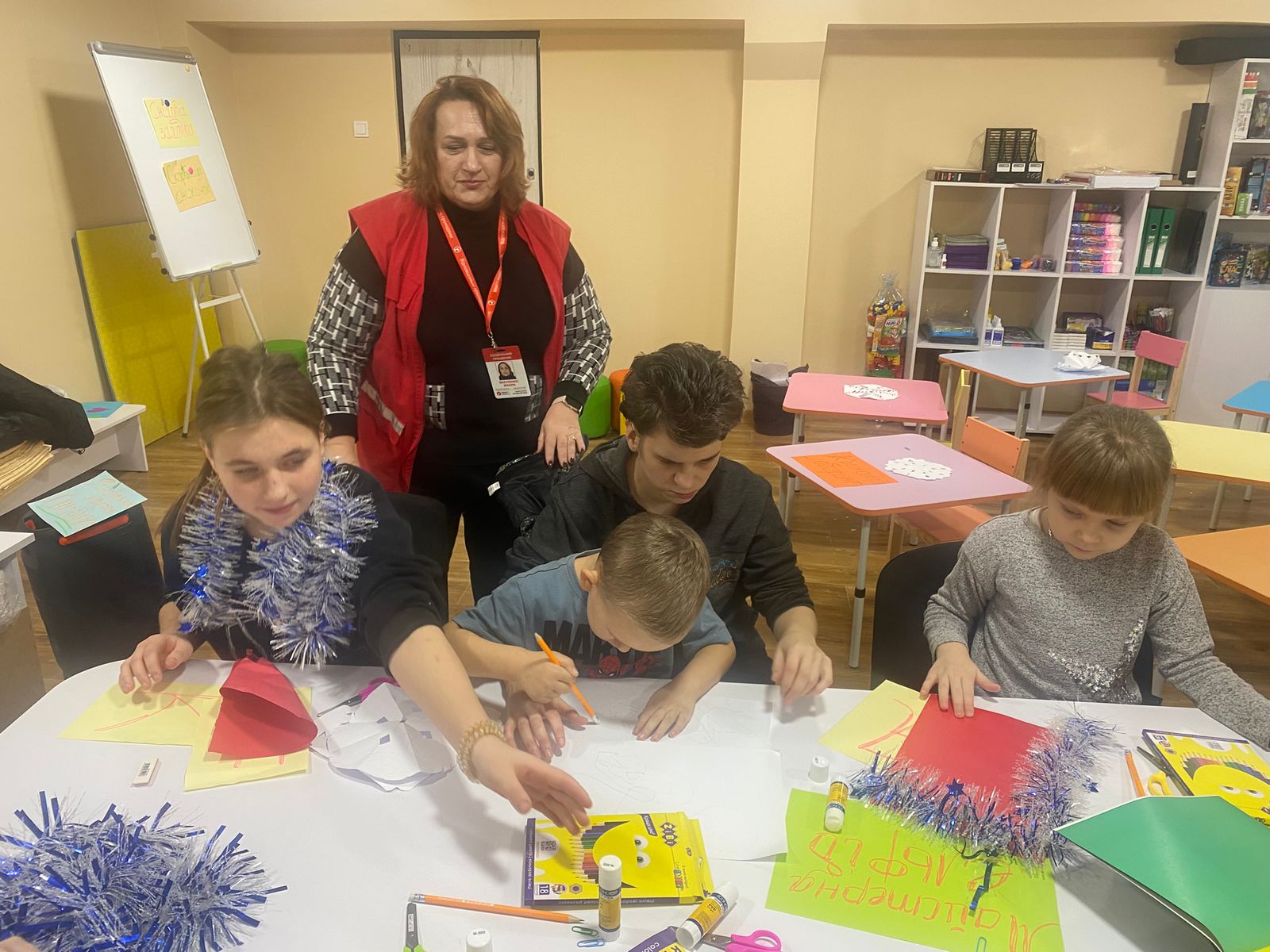 Play, Support, Care: How Child-Friendly Spaces Strengthen the Mental Health of Children and Parents
Psychosocial support is provided as part of UNICEF’s project “Strengthening Community Capacity to Provide Core Protection and Resilience Services in Kharkiv, Donetsk, Dnipropetrovsk, and Zaporizhzhia Regions,” implemented by Responsible Citizens NGO with support from the Government of the United States of America.
-
 Support is underway in communities of the Kharkiv Region to assist children and families affected by the war
In partnership with Save the Children in Ukraine, and with the generous support of the American people provided through the Government of the United States of America, activities are being implemented to strengthen child protection, support children’s well-being, and improve families’ access to psychosocial services.
-
 More Than 9,000 Children and Adults Received Support Through a UNICEF Ukraine Project in Communities Across Eastern Ukraine
The project is being implemented by Responsible Citizens NGO with financial support from UNICEF and the Government of the United States.