
“You don’t have to face your problems alone”: how a case manager helps displaced people start a new life in their community
Більше новин
-
 Art therapy as a path to recovery: how Alona helps children through creativity
In these photos, you can see Alona, an art therapist from our team, who works in the northern part of Donetsk region. As part of a mobile brigade, she visits famili...
-
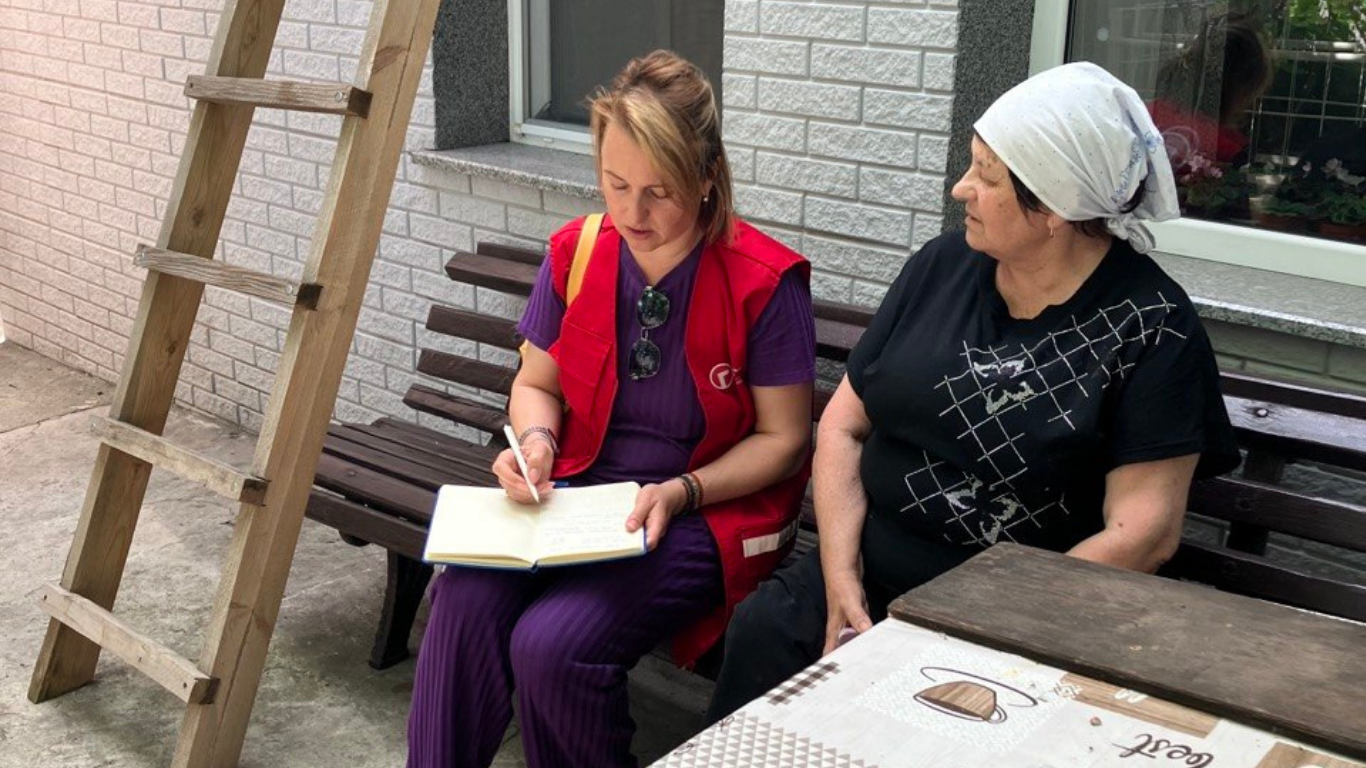 “After shelling, people forget even their loved ones’ phone numbers. Our job is to help them regain stability.”
When a missile or drone hits a residential building, it may seem that the worst is already over. In reality, however, the hardest part often begins after the explosion—shock, disorientation, and the loss of a sense of safety. It is at this moment that the mobile teams of the NGO Responsible Citizens deploy to support people in the Dnipropetrovsk, Donetsk, and Zaporizhzhia regions.
-
 Ukrainian leadership in action: shaping the future of Humanitarian Aid
On May 23, the Responsible Citizens team took part in the 3rd Annual International Conference “Ukrainian Leadership in Aid,” organized by the Alliance of Ukrainian Civil Society Organizations and international partners.
-
 In Kryvyi Rih, our team took part in the socio-educational hub “Together for the Child”
The event was organized to mark the International Day of the Social Pedagogue, celebrated on October 2.
-
 “At the very moment when we needed it most, help came to us,” — Maryna from Novodonetske
The work is carried out within the framework of the UNICEF Ukraine project “Strengthening Community Capacity to Deliver Essential Protection and Resilience Services in Kharkiv, Donetsk, Dnipropetrovsk, and Zaporizhzhia regions,” implemented by the NGO “Responsible Citizens” with the support of the Government of the United States of America
-
 We Help: Humanitarian Aid Delivered to Druzhkivka and Kharkiv
We believe that together, we can make life better. Thanks to our long-standing partnership with Nova Poshta Humanitarian, we continue to support those who need it most. Our mission is not just to deliver aid, but to bring hope, care, and resilience to families facing hardship.
-
 First training in 2025: Practical knowledge for effectively addressing individual needs
The NGO "Responsible Citizens" successfully conducted the first training of the year on the topic: "Meeting Individual Needs – From a Sense of Safety to Conflict Mitigation."
-
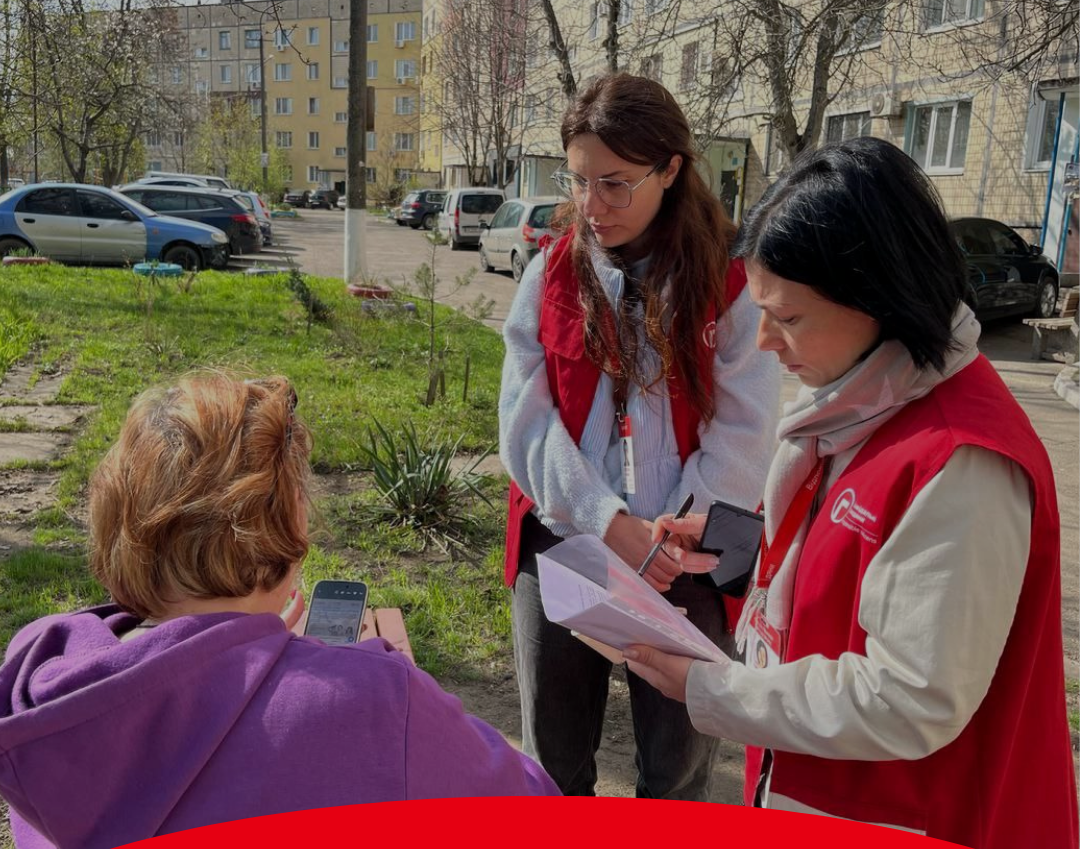 World Humanitarian Day: Aid as a Shared Responsibility
August 19 is the day to honor those who stand by people in their most difficult times. For “Responsible Citizens” NGO, humanitarian aid is more than crisis response. It is ongoing work for dignity, hope, and recovery.