
We continue accepting grant proposals within the microgrant program until February 20
Більше новин
-
 60% of educators report needing professional development, 80% encounter student stress and anxiety: online survey results
In October 2024, the NGO Responsible Citizens conducted a nationwide survey of Ukrainian educators. This open survey involved 311 education professionals from 13 re...
-
 Support that changes lives: Yulia’s story from Kramatorsk
Yulia had always been someone who supported others. In Kramatorsk, Donetsk region, she worked as a teacher, helping children understand the world and find their pla...
-
 Responsible Citizens NGO has become a member of the Humanitarian NGOs Platform in Ukraine
This is an important step toward strengthening coordination within the humanitarian community and expanding partnerships that help respond more effectively to the needs of people affected by the conflict.
-
 Responsible Citizens team joins ASPIRE training for trainers
Participation in the training marked an important stage of professional growth for the team and strengthened the organization’s expertise in sustainable organizational development.
-
 “Responsible Citizens” NGO has implemented the creation of a Resilience Centre in Zaporizhzhia in cooperation with UNICEF, local authorities, and social services
The project was implemented with financial support from the Government of Germany through the KfW Development Bank and the UNICEF Office in Ukraine. In partnership with local authorities, social services, and the civic sector, a modern space was created that follows the principles of integrated social services recommended by the Ministry of Social Policy of Ukraine.
-
 Over 2 thousand humanitarian aid sets received by residents of Dobropole community
“Thanks to the partnership of the NGO “Responsible Citizens” with World Vision International and with funding from Aktion Deutschland Hilft (ADH),...
-
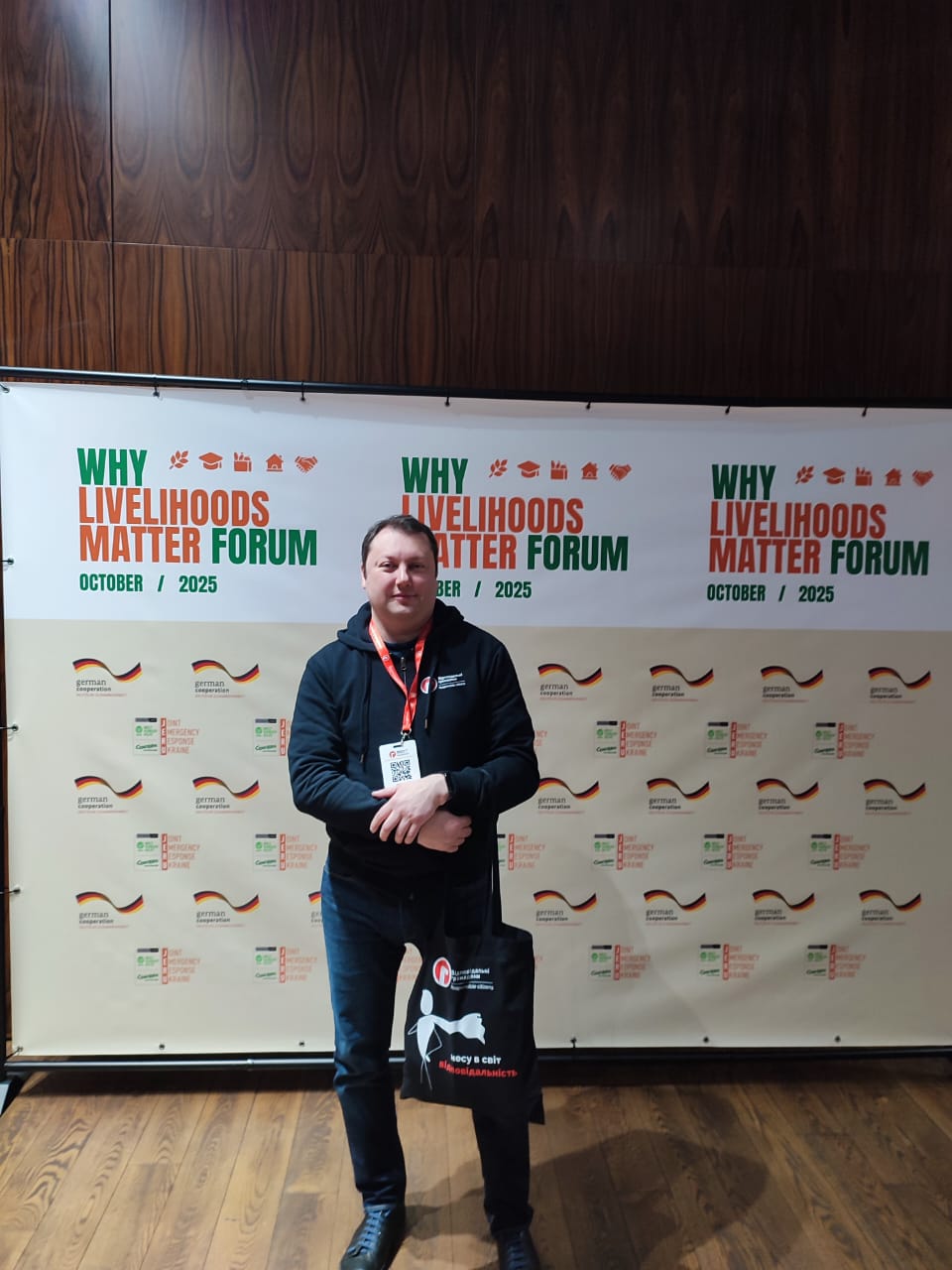 Forum in Kyiv Focused on the Importance of Economic Recovery Initiatives
Enrique Menendez, Director of Projects and Programs at Responsible Citizens NGO, took part in the forum “Why Economic Recovery Initiatives Matter,” held in Kyiv within the framework of the JERU (Joint Emergency Response in Ukraine) project.
-
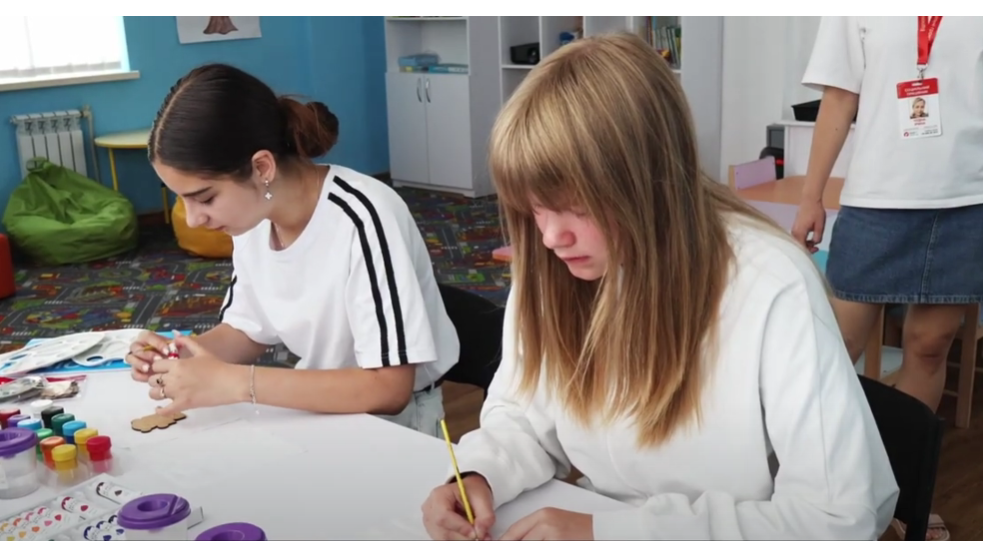 Safe space for children in Malynivka: Restoring the community through support
In the Malynivka community of Kharkiv region, which suffered from the full-scale invasion, NGO "Responsible Citizens" together with UNICEF Ukraine created a child-friendly Space. This place has become a pillar for children and families, helping to overcome fear and losses.