
Team-Based Care: How Professionals Learn to See a Child’s Needs
How can we recognize in time that a child needs support?
How can a school become a place where children are not only taught, but also heard?
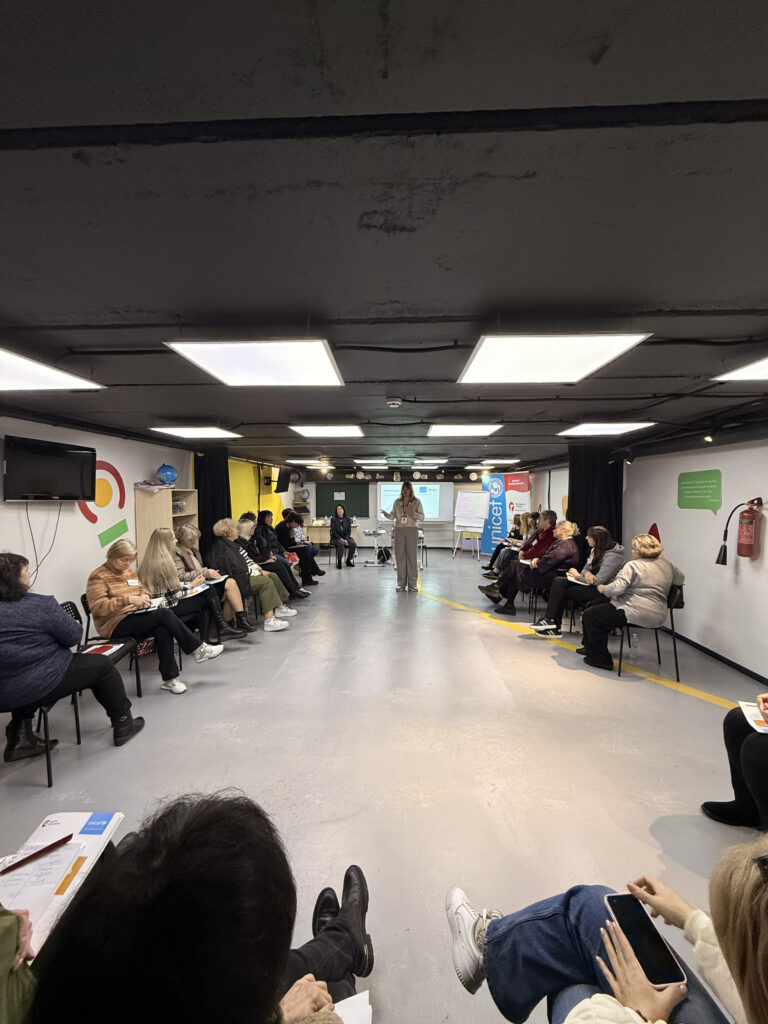
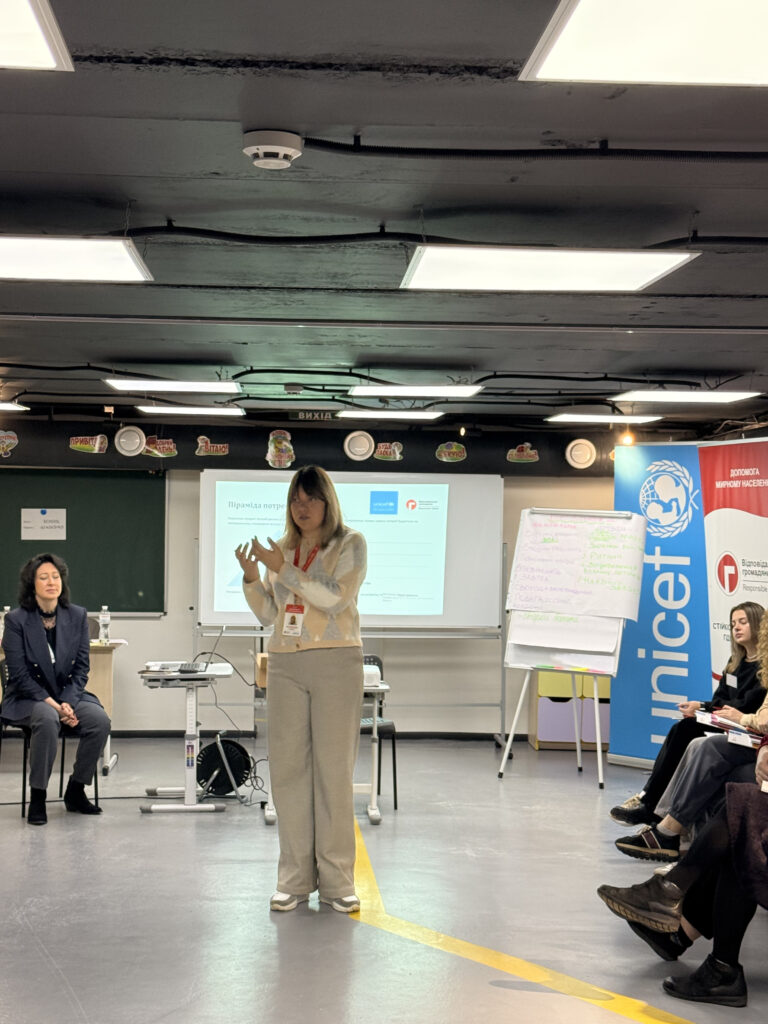
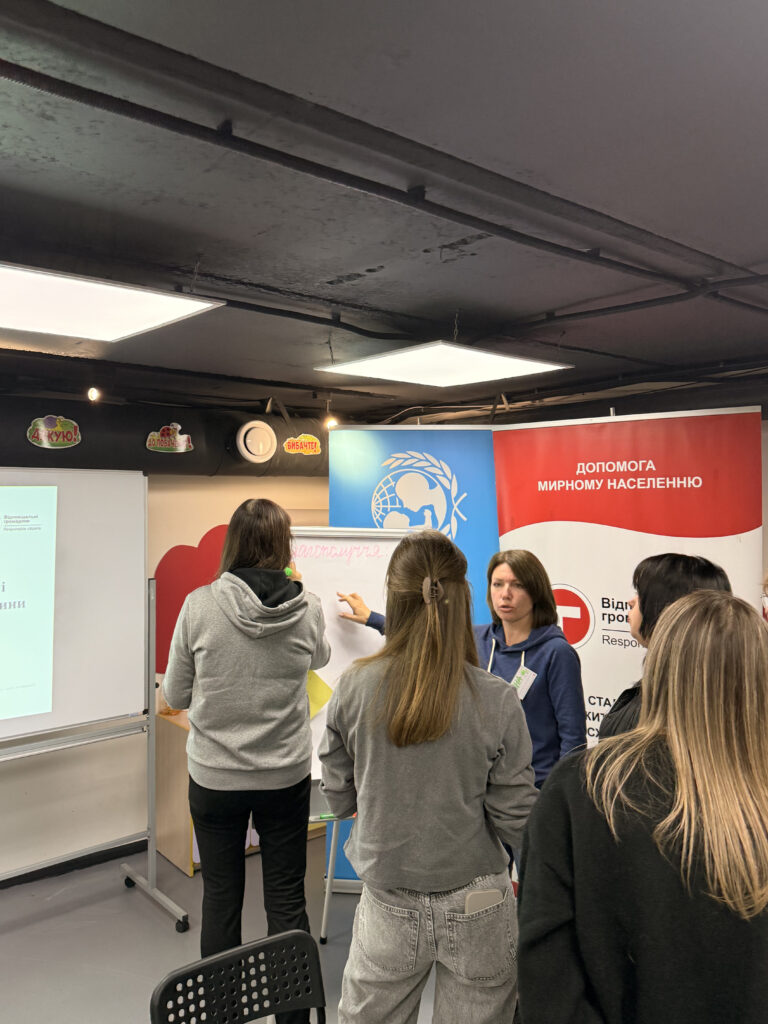
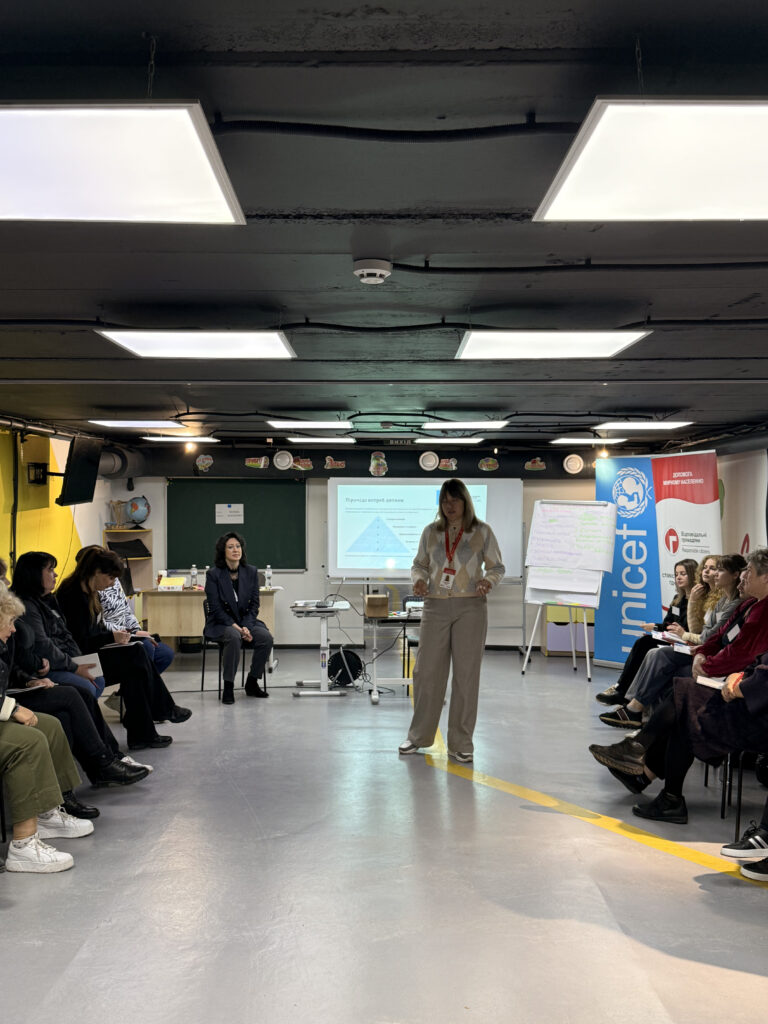
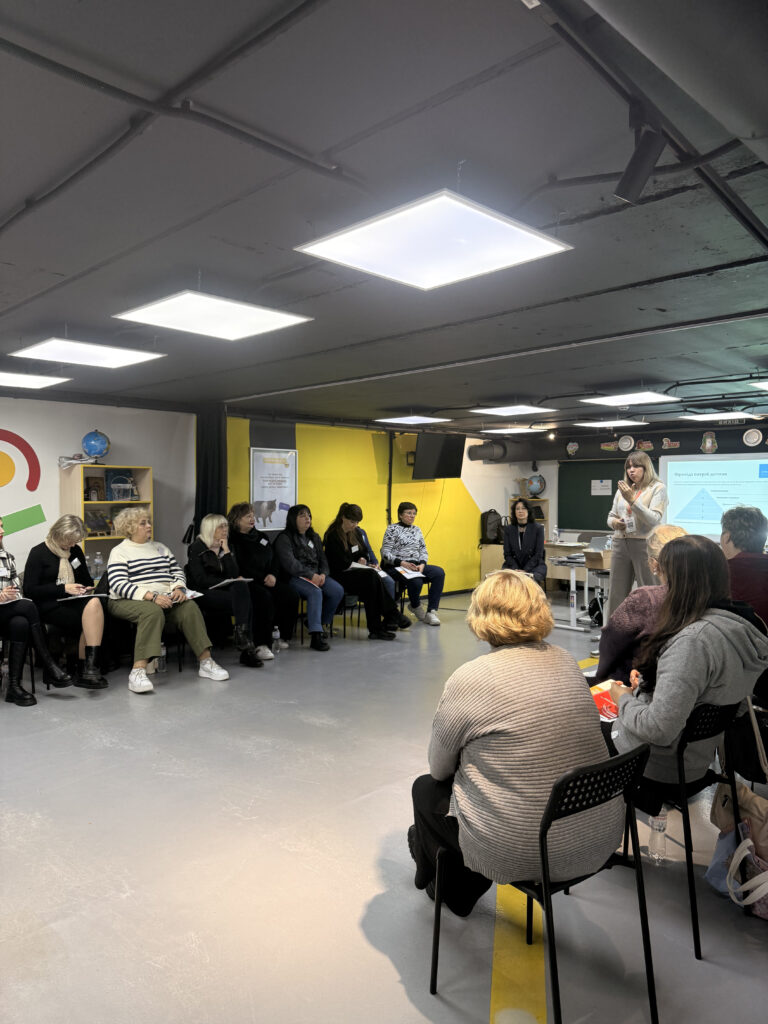
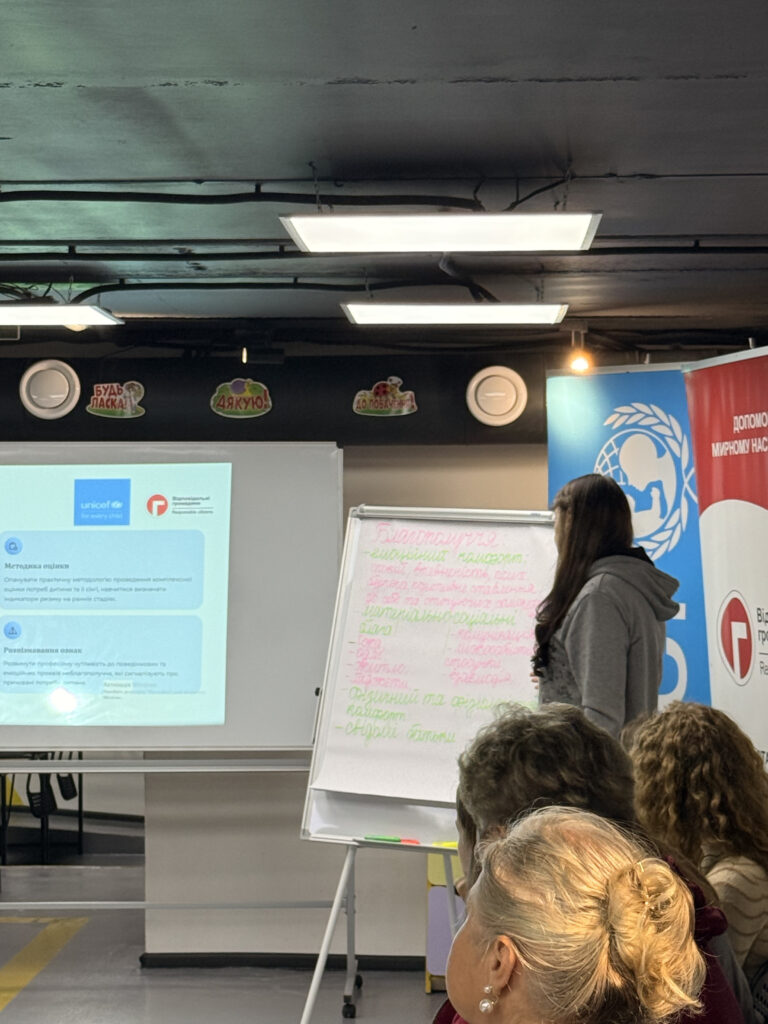
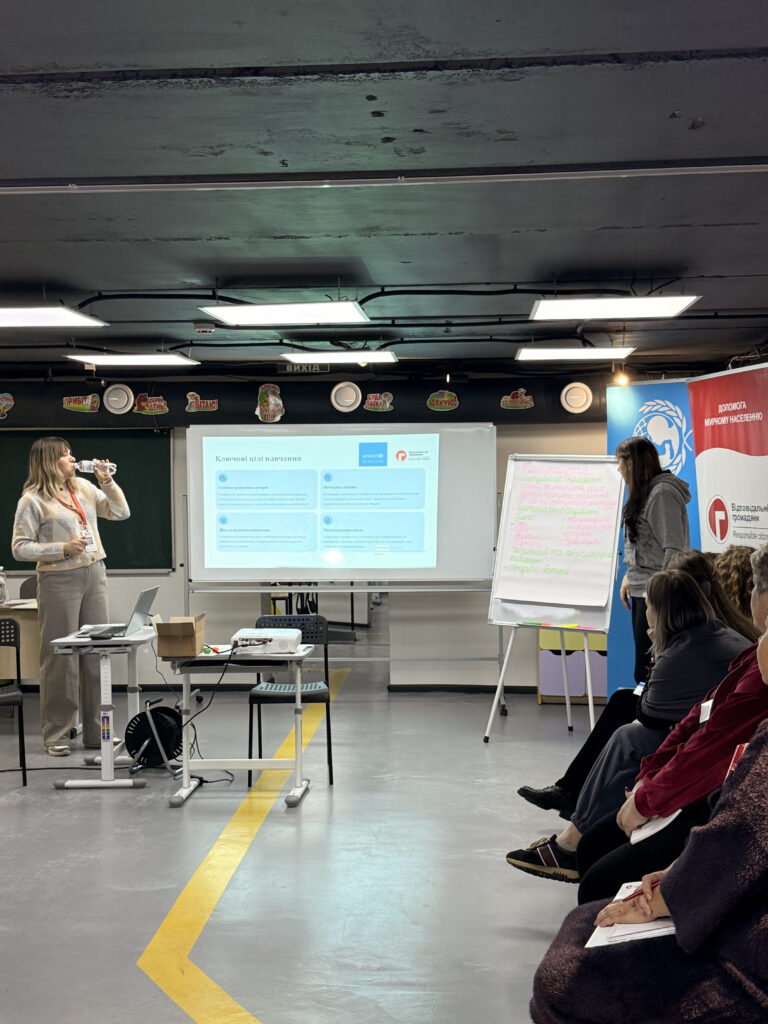
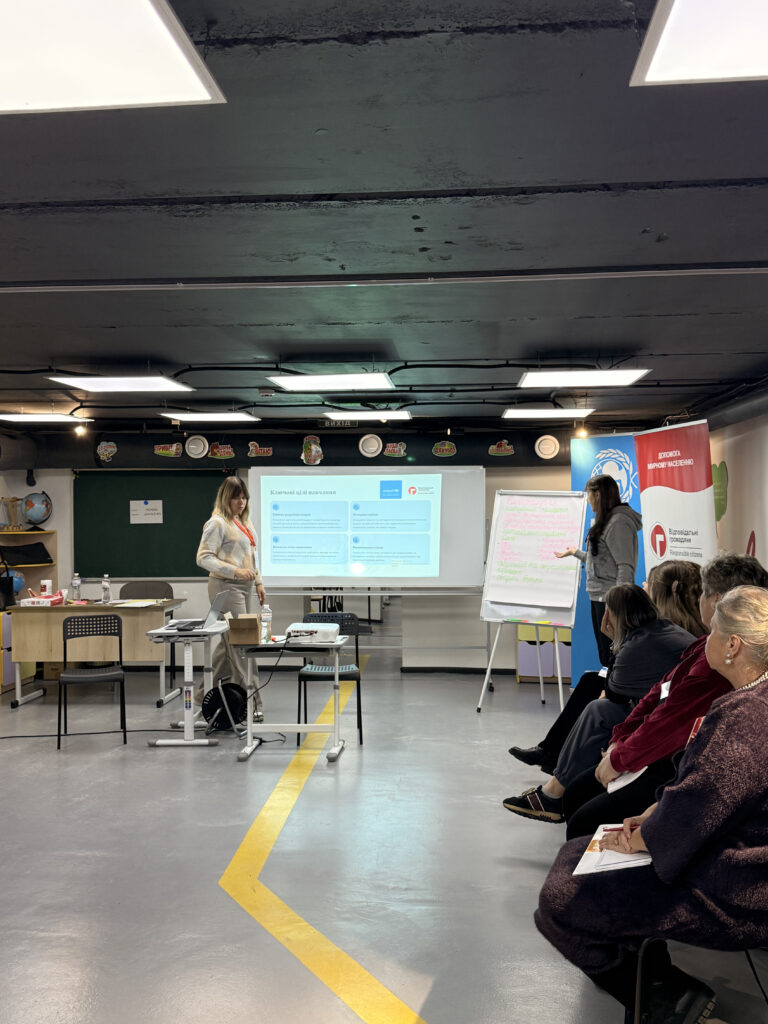
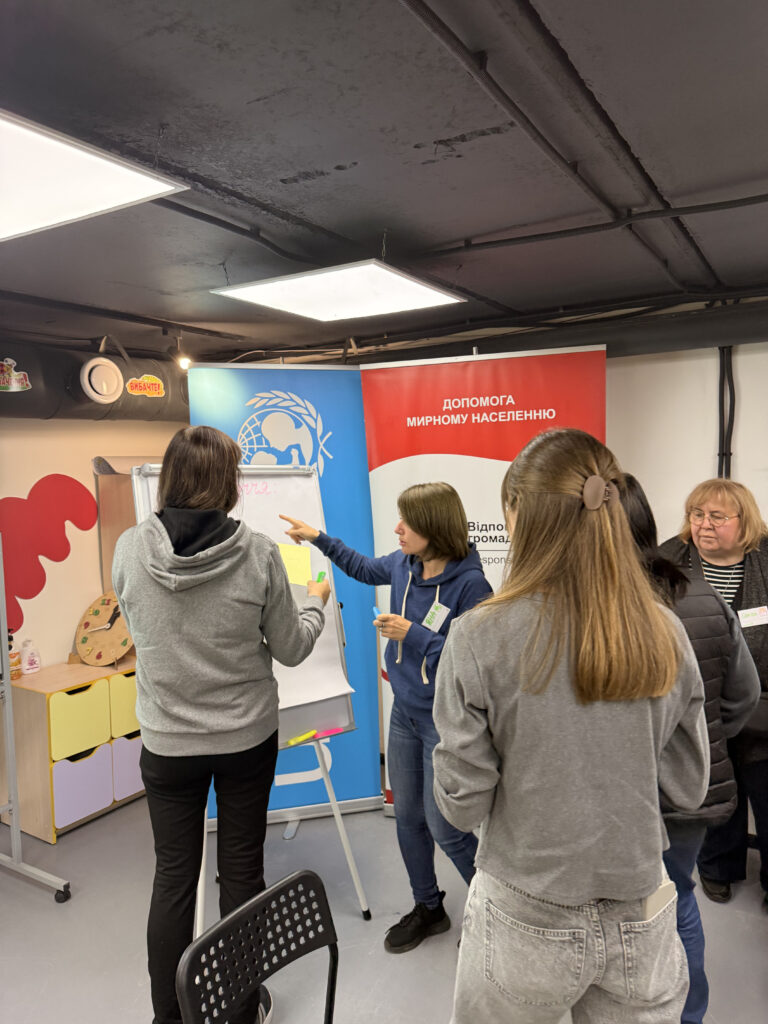
A training session titled “Team-Based Care in Assessing a Child’s Needs” was held in Zaporizhzhia, organized by the NGO Responsible Citizens within the UNICEF Ukraine project.
The training brought together teachers, school psychologists, and social educators — professionals who work with children every day.
Participants learned how to apply the integrated model for assessing the needs of a child and their family — a tool that helps better understand a child’s life circumstances, identify potential risks, and plan support through coordinated teamwork.
A special part of the training focused on supporting children who have experienced changes in their family environment. Educators discussed how to recognize emotional signals of anxiety or loss of trust, and how to help a child regain a sense of stability and safety.
Participants also explored effective ways of cooperation with foster families, guardians, and patronage caregivers to ensure continuous support for children within the educational environment.
As a result, participants deepened their understanding of the professional role in promoting the best interests of the child and strengthened intersectoral collaboration.
Because genuine care begins when every adult sees a child — not through their problems, but through their needs and potential.
Більше новин
-
 Completed the educational project ‘Building resilience through development’ in partnership with World Vision International
The NGO “Responsible Citizens” team successfully implemented this project across four regions in Eastern Ukraine
-
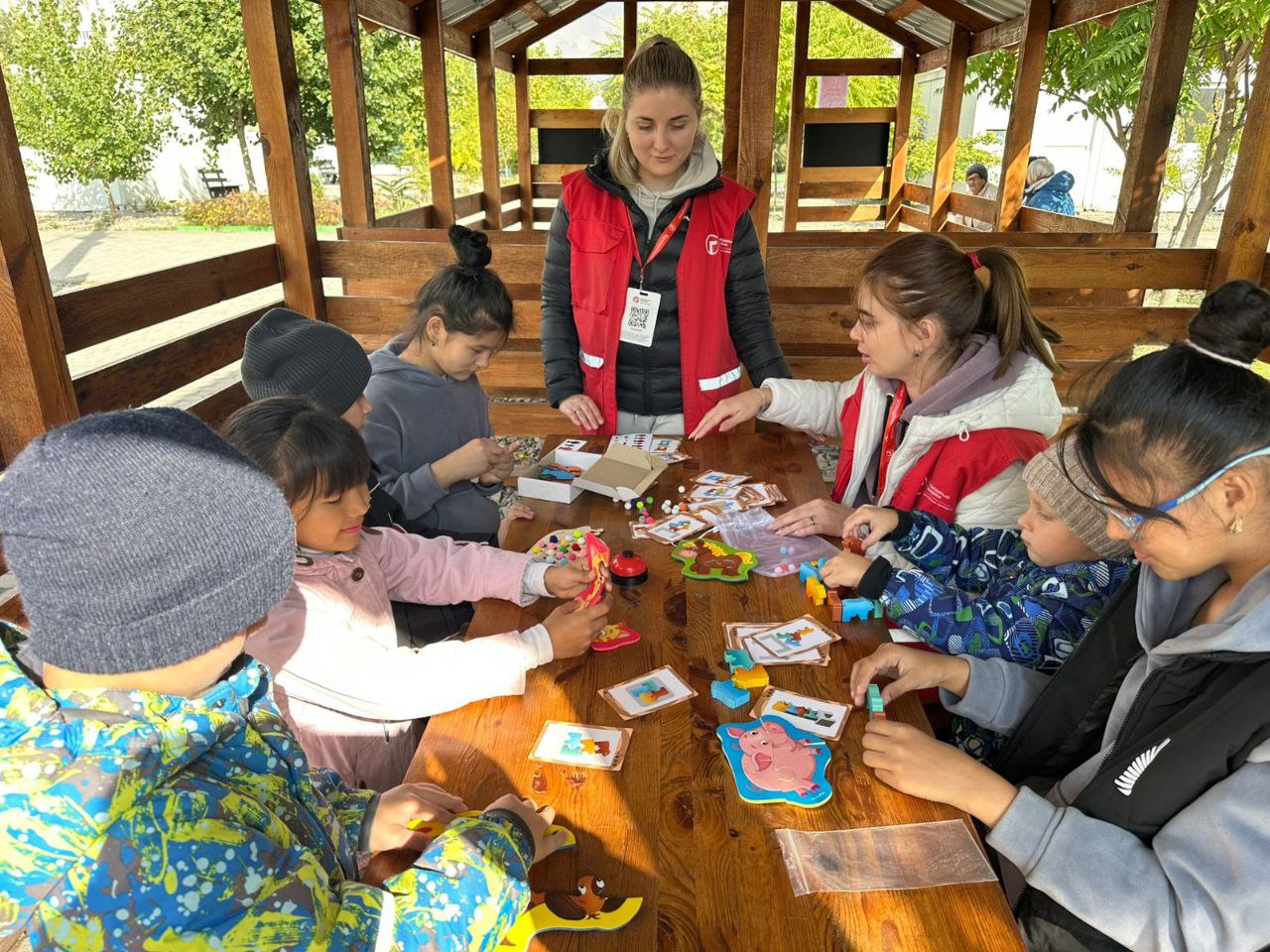 Support Nearby — from Donetsk region to a New Community
A mobile team from Dobropillia, Donetsk region, continues to help internally displaced people even after they move to safer communities.
-
 Dnipropetrovsk region: Systematic support for children and families in a frontline area
The teams of the NGO Responsible Citizens work in areas where the social burden increases every day. This is where Child-Friendly Spaces and mobile psychosocial support teams operate most actively. In the first half of 2025, nearly 10,000 children and their families received professional support.
-
 The NGO ‘Responsible Citizens’ is launching a new phase of activities in the Sumy region
The NGO “Responsible Citizens” is launching a new phase of work in Sumska Oblast in partnership with JERU (Joint Emergency Response in Ukraine), a joint initiative ...
-
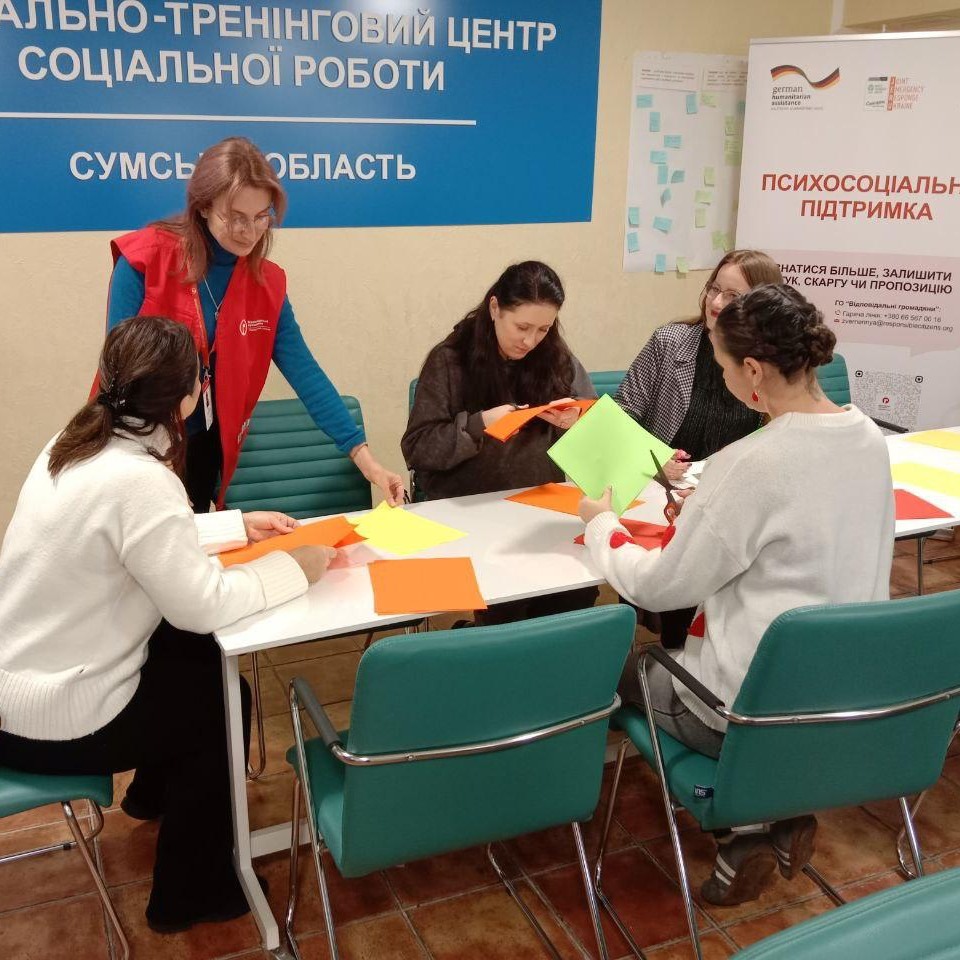 Support Nearby in Sumy Region
The NGO Responsible Citizens continues its active work within the framework of the JERU (Joint Emergency Response in Ukraine) partnership — a joint initiative of the international organizations Welthungerhilfe and Concern Worldwide, implemented with funding from the Federal Foreign Office of Germany.
-
 How to Support Those Nearby: A Humanitarian Discussion at the Kharkiv Forum
The event “Kharkiv Region: The Power of Law in the Fight for Freedom” was held with the support of the project “Human Rights for Ukraine, Phase II,” implemented by UNDP in Ukraine and funded by the Ministry of Foreign Affairs of Denmark. Olena Khvatynets, the regional coordinator of projects for the NGO “Responsible Citizens” in the Kharkiv region, participated in the forum.
-
 How cash assistance is being delivered in Donetsk communities during the war
Being close to people in critical moments — this is the goal of the project “Localized, Inclusive and Multisectoral Emergency Assistance to War-Affected Populations in Ukraine”, implemented in Donetsk Oblast by the NGO Responsible Citizens, in partnership with Mercy Corps, and with financial support from the UK Government.
-
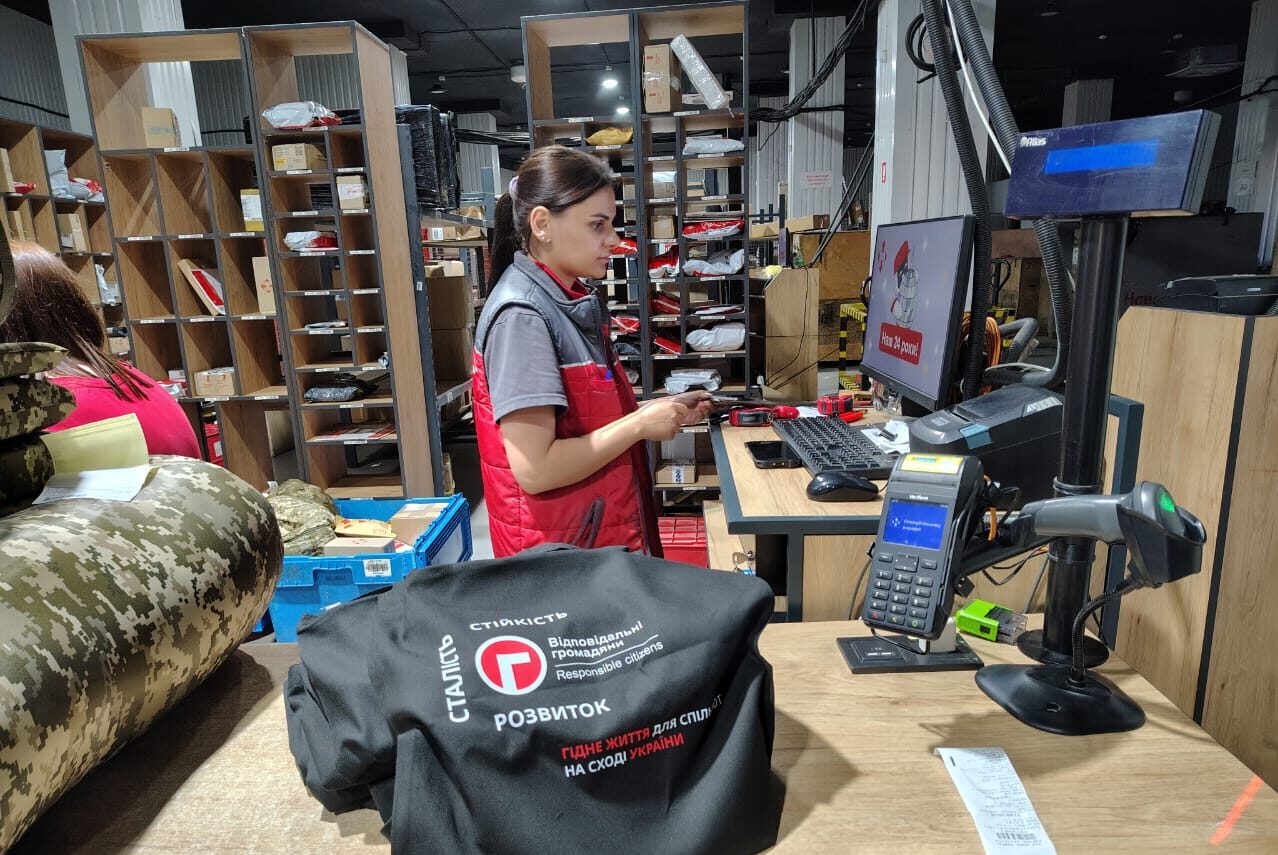 115 kg of Humanitarian Aid for Children in Lozova, Kharkiv Region
NGO Responsible Citizens, together with Humanitarian Nova Poshta, delivered humanitarian aid to the Transit Center in Lozova, Kharkiv region. The aid consisted of kits for psychological support and child development for children forced to leave their homes.