
Completed the educational project ‘Building resilience through development’ in partnership with World Vision International
Більше новин
-
 UNICEF and the NGO “Responsible Citizens” helped a family from Kharkiv start a new life
“We named our son Myroslav because we believed that by the time he was born, peace would have returned. He is now 1.4 years old, and my eldest daughter, Oleksandra,...
-
 Specialists from the NGO “Responsible Citizens” participated in Inclusion Week
The event was organized by Mercy Corps in partnership with Alliance.Global and Humanity and Inclusion. This event focused on discussing inclusive approaches to supp...
-
 Support is underway in communities of the Kharkiv Region to assist children and families affected by the war
In partnership with Save the Children in Ukraine, and with the generous support of the American people provided through the Government of the United States of America, activities are being implemented to strengthen child protection, support children’s well-being, and improve families’ access to psychosocial services.
-
 Child-Centered career guidance: new approaches by “Responsible Citizens”
The NGO "Responsible Citizens" participated in the annual scientific and educational event "Science Unites," held at the Kryvyi Rih State Pedagogical University on the initiative of the Municipal Institution "Center for Professional Development of Pedagogical Workers" of the Kryvyi Rih City Council.
-
 Mobile Brigade of the NGO: The story of Nataliya Ovcharenko, changing lives amid war
At the NGO “Responsible Citizens,” we are convinced that we will never grow indifferent to the remarkable resilience of people—their actions, strength, ...
-
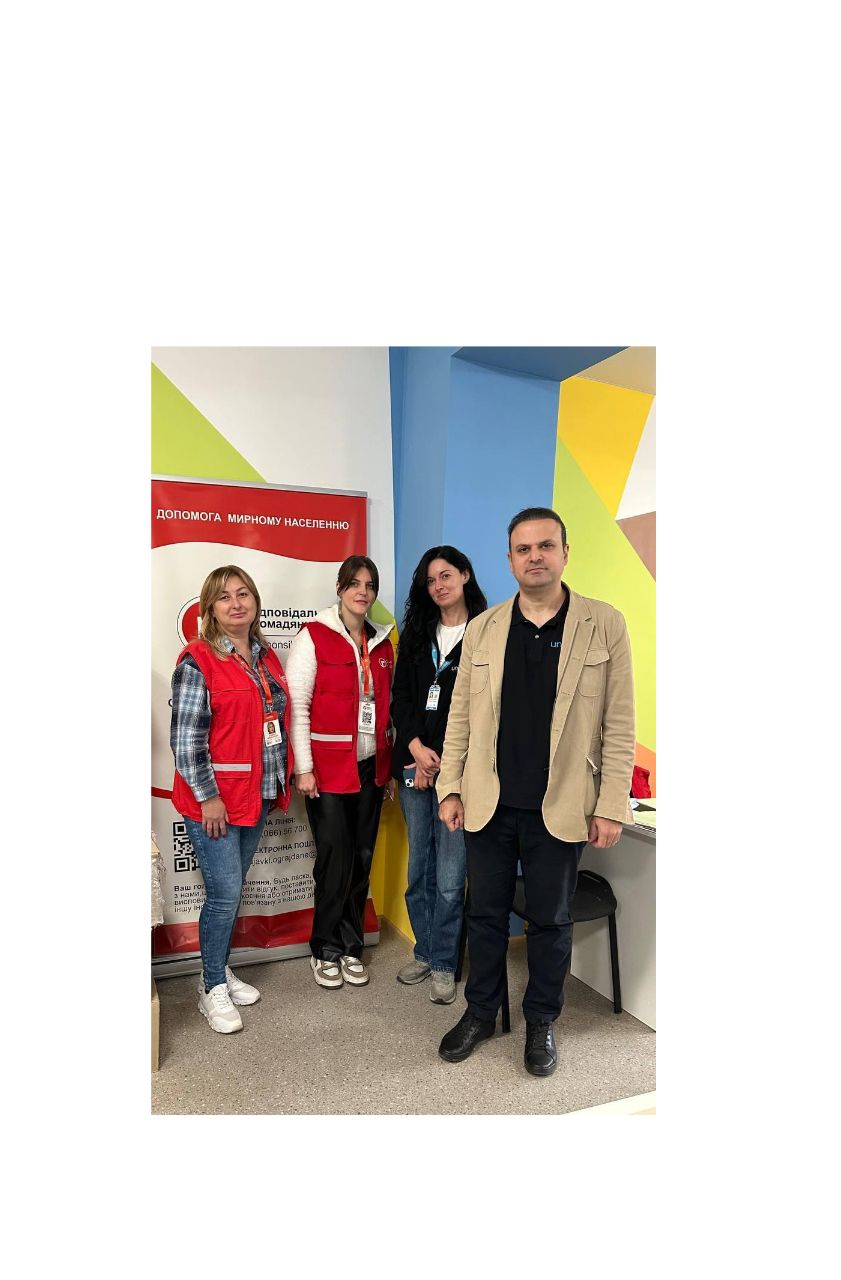 A working meeting between the UNICEF team and the NGO “Responsible Citizens” took place in Kramatorsk
During the visit, the Head of the UNICEF Ukraine Office, Munir Mammadzade, together with colleagues, visited a Child-Friendly Space implemented within the framework of a joint project with UNICEF, where they met with specialists of mobile teams.
-
 The organization “Responsible Citizens” has joined the “Ukraine for Every Child” Manifesto
On the occasion of Universal Children’s Day, which this year marks the 35th anniversary of the Convention on the Rights of the Child, the organization “...
-
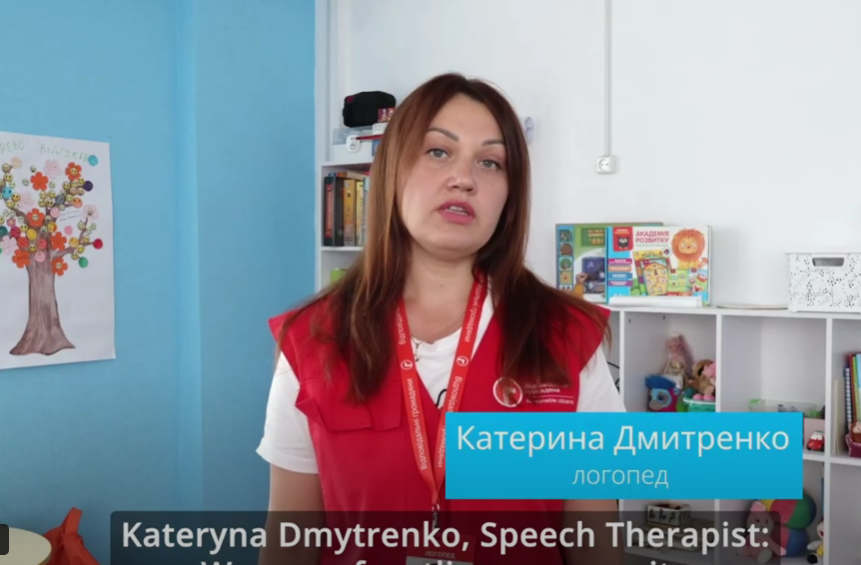 Support in the frontline zone: Psychologists and specialists help families persevere
In the frontline Malynivka community, war impacts every aspect of life, but the strength of unity and support helps children and families overcome challenges. The Child-Friendly Space, created with UNICEF Ukraine’s support, becomes a hub of hope and development.