
Partnership for Development: A New Stage of Work with IDPs in Cherkasy Region
Більше новин
-
 LIVES 3.0: Project Outcomes Supporting Communities Affected by Conflict
For over six months, the team of "Responsible Citizens," in collaboration with international partners, has been implementing the LIVES 3.0 project. This initiative aims to support residents in eastern Ukraine affected by the war.
-
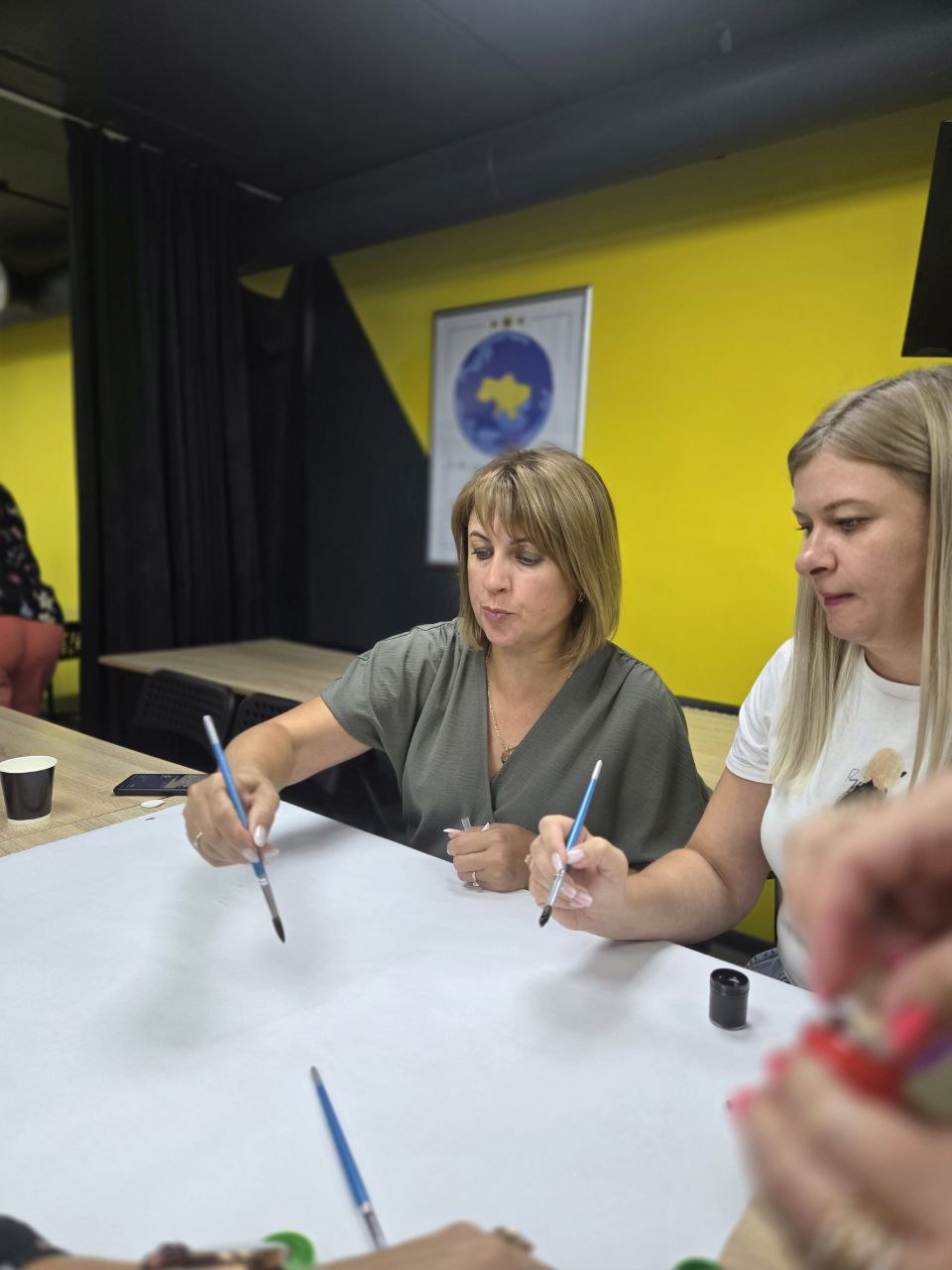 Systematic Support for Families with Children
In partnership with UNICEF, Responsible Citizens NGO continues to strengthen family support by combining practical assistance to communities with professional training for social sector specialists.
-
 Empowering social sector workers: successful three-day training program completed
We held a three-day training session in Kyiv for social sector professionals as part of the project ‘Strengthening community capacity to provide essential protectio...
-
 Responsible Citizens team joins ASPIRE training for trainers
Participation in the training marked an important stage of professional growth for the team and strengthened the organization’s expertise in sustainable organizational development.
-
 Education in emergencies: experience shaping the future
The coordinator of educational projects at the NGO "Responsible Citizens," Olena Bielolipetseva, participated in a three-day training session on "Education in Emergencies" held in Kyiv.
-
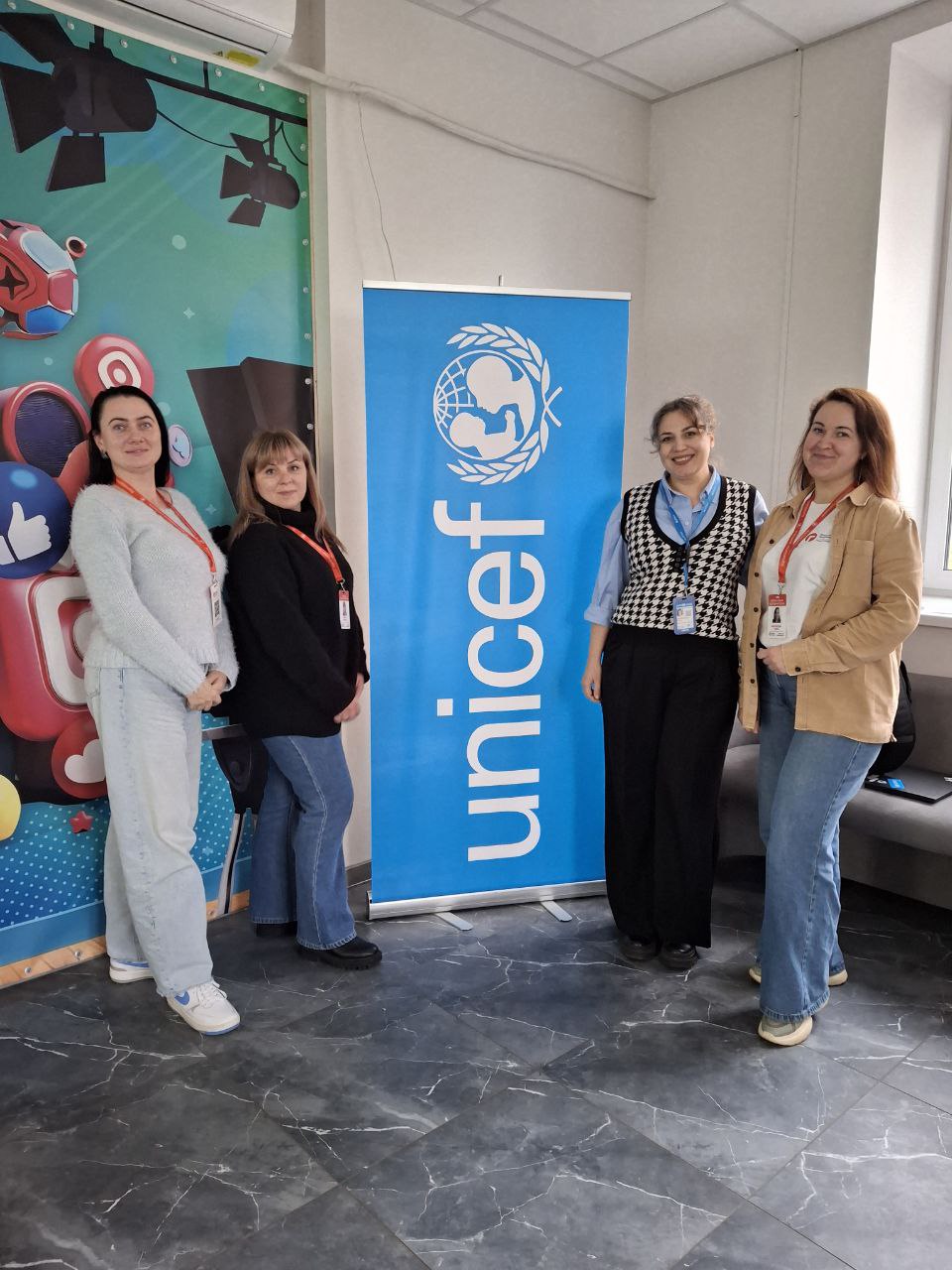 Improving the Quality of Child Reintegration Services in Communities
Regional Coordinator Alla Maslakhova and specialists from the NGO Responsible Citizens in Zaporizhzhia region took part in a UNICEF Ukraine workshop dedicated to the implementation of the Guiding Principles for the Reintegration Service Package within the Alternative Care and Return and Reintegration programs.
-
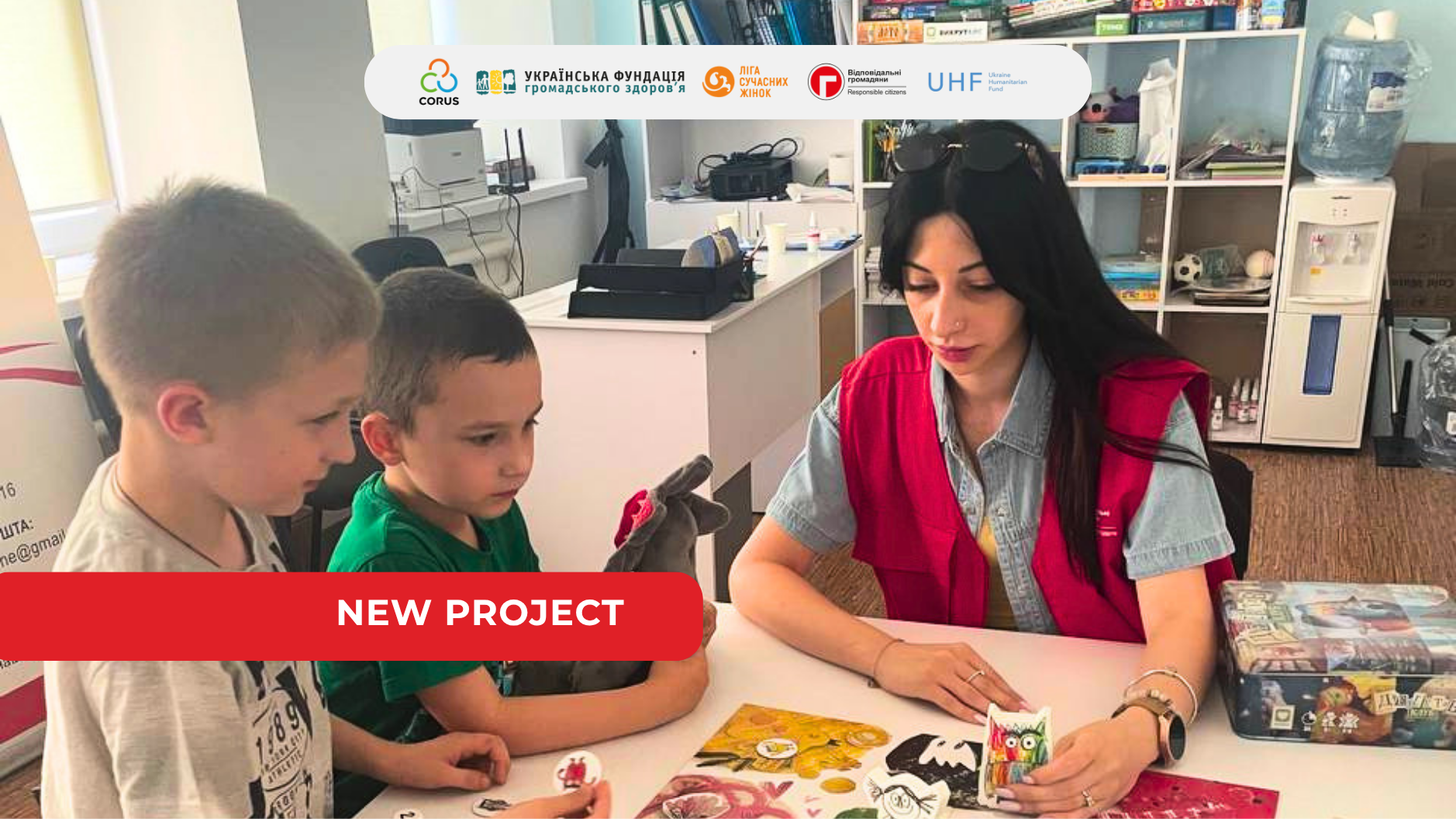 The NGO Responsible Citizens has joined the implementation of the Berehynia project
As part of the Consortium of the Joint Initiative for the Protection of Frontline Areas, together with Corus International, the Ukrainian Foundation for Public Health “Right to Health” (HealthRight International) in Ukraine, the NGO League of Modern Women, and with financial support from the Ukraine Humanitarian Fund, we are working to ensure that assistance reaches those who need it most as quickly as possible.
-
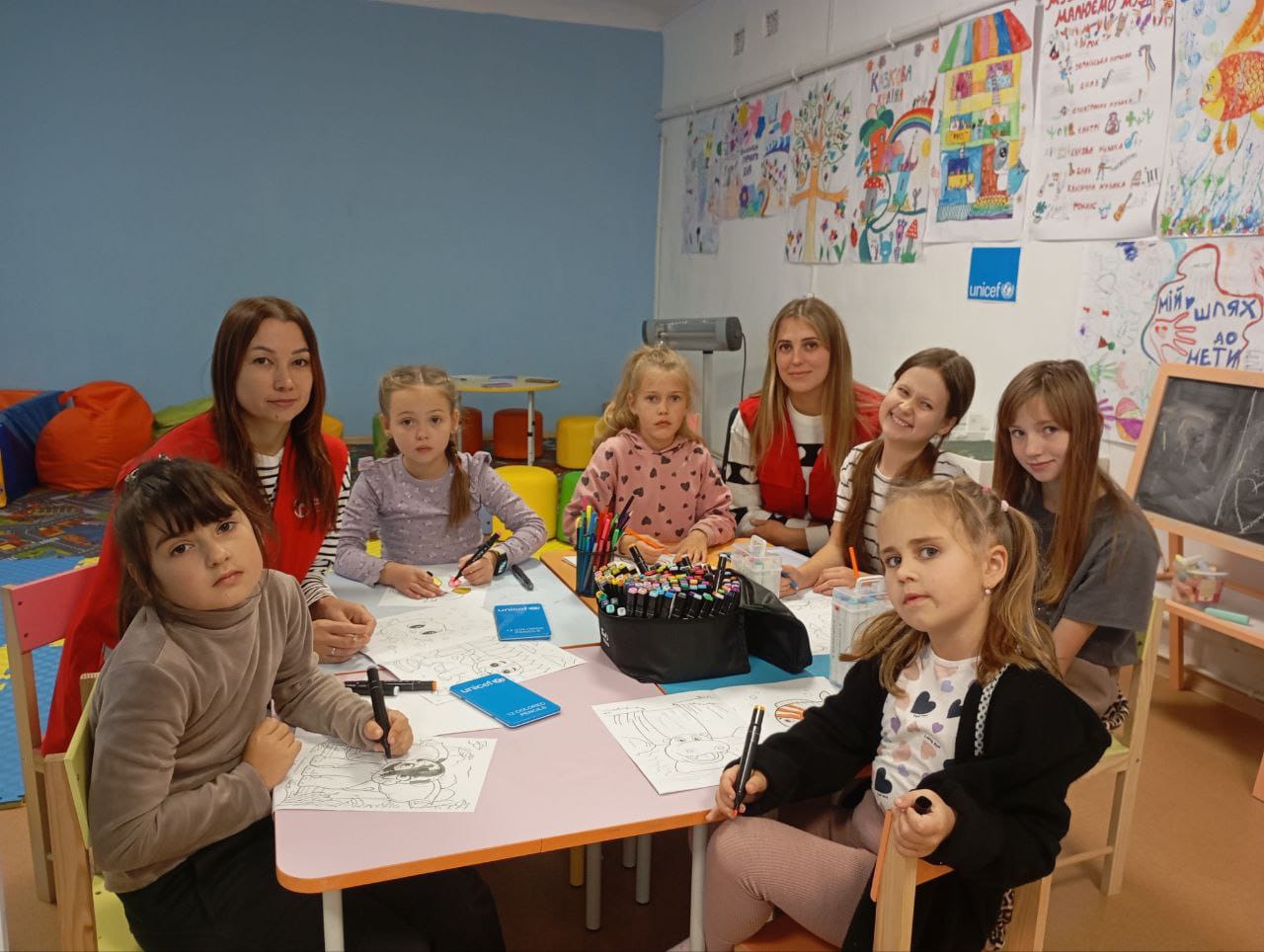 November 2 — Social Workers’ Day
This day is an opportunity to thank those who support people in difficult life circumstances every single day. Social workers step in when all other resources are exhausted — when a person has lost their home, loved ones, job, or sense of safety.