
Humanitarian System 2026: Fewer Resources, Greater Responsibility for Local Organisations
Більше новин
-
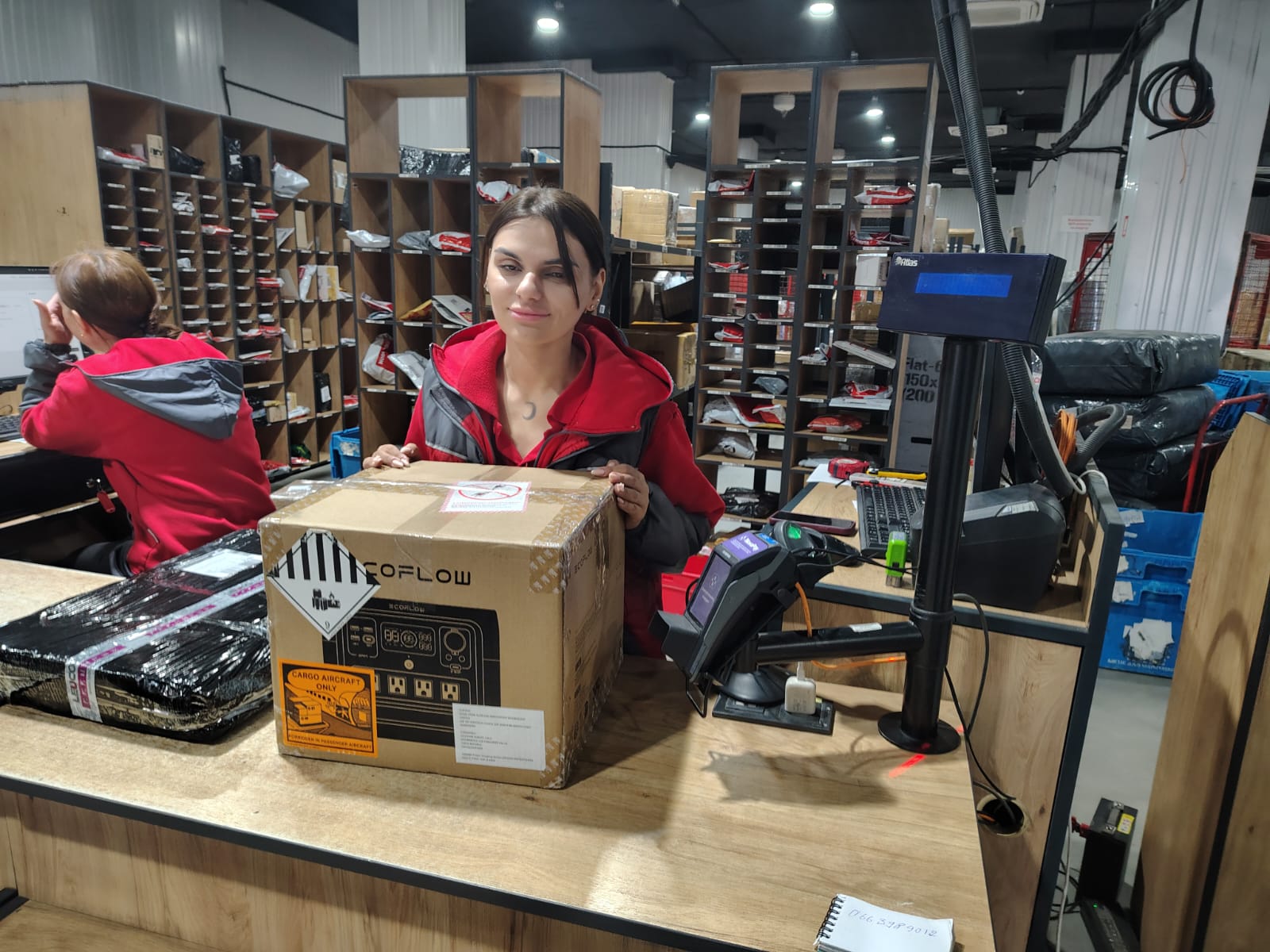 Aid Continues to Reach Frontline Regions
Thanks to our partners — Humanitarian Nova Poshta — we have delivered another batch of support to psychosocial support centres in Dnipropetrovsk, Kharkiv, and Donetsk regions.
-
 Accessibility week: Building a world of equal opportunities together
For the NGO Responsible Citizens, accessibility is not just a slogan — it’s a guiding principle we bring to life every day through our work with children, families, and communities.
-
 Aid delivered to Donetsk Oblast
152 women's kits were provided by the NGO "Responsible Citizens" to the residents of Novodonetske and Dobropillia in Donetsk Oblast.
-
 Mobile support in action: The story of a new psychologist in our team
For our team, it’s a great responsibility when people come to us for their first professional experience. Especially when it’s a conscious decision to change career...
-
 Head of the Board of NGO “Responsible Citizens” Olga Kosse participates in Leadership Training for NGO Leaders
The Slovak organization Hekima recently hosted representatives from 25 leading Ukrainian NGOs in Košice, all of whom are actively engaged in the humanitarian field....
-
 “Responsible Citizens” launch the work of the education experts group
The NGO "Responsible Citizens" held the first meeting of the interregional working group of educators, bringing together 20 specialists from various regions of Ukraine. The initiative was a response to the challenges faced by the education sector in times of war and aimed at finding effective solutions to overcome educational losses.
-
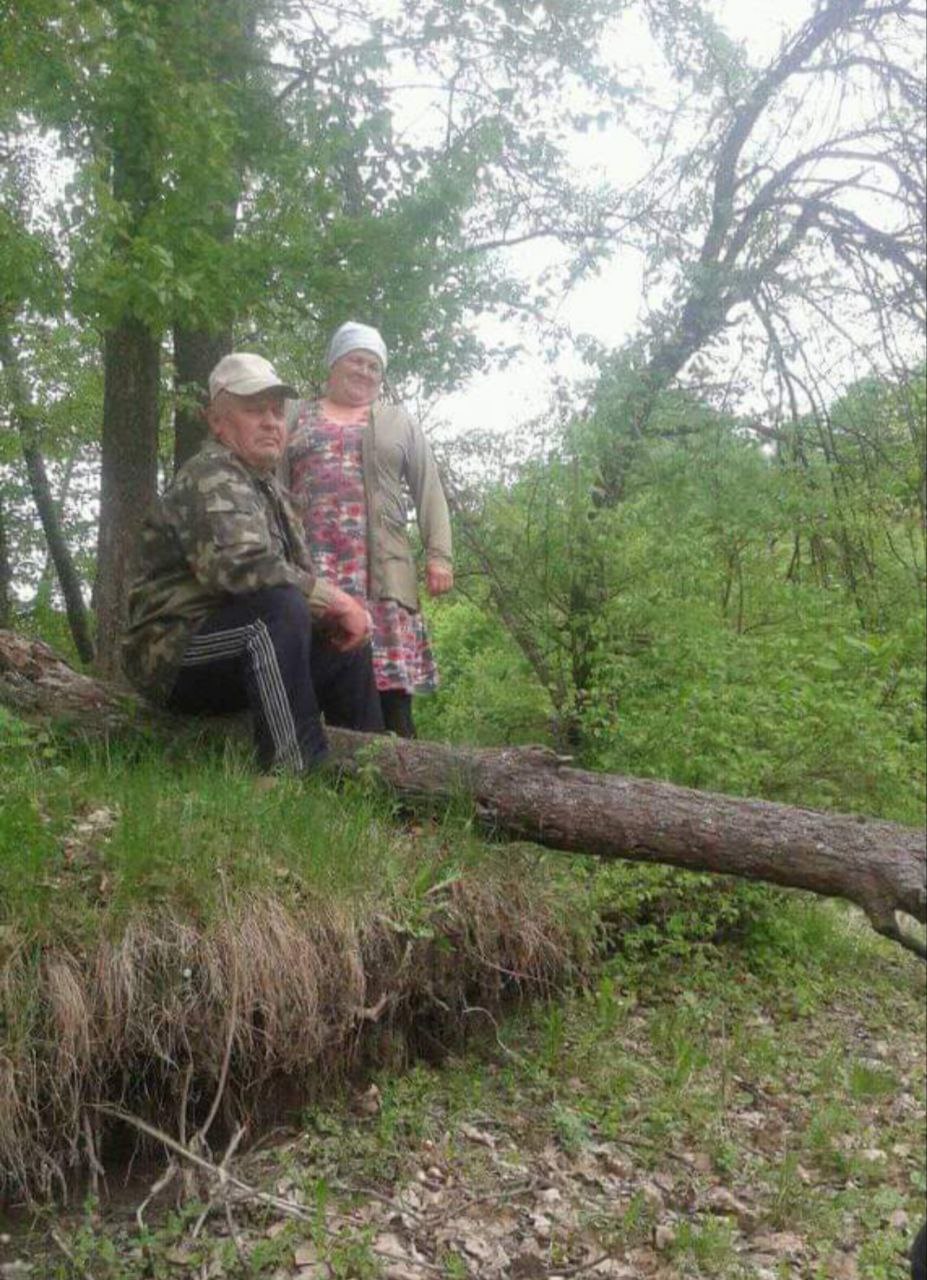 Warmth for the Family: The Story of a Rybalske Household That Received Cash Assistance to Prepare for Winter
The winter cash assistance program is implemented by Responsible Citizens NGO in partnership with JERU (a joint initiative of the international organizations Welthungerhilfe and Concern Worldwide) with funding from the German Federal Foreign Office (AA).
-
 Join our specialized training sessions in Kyiv
The public organization "Responsible Citizens," in partnership with the United Nations Children’s Fund (UNICEF) Representation in Ukraine, is implementing the project "Enhancing Community Capacity in Providing Core Protection and Resilience Services."