
Accessibility week: Building a world of equal opportunities together
“I was afraid my daughter wouldn’t be understood. She doesn’t speak, and people often look away. But in the Child-Friendly Space, we found understanding and meaningful learning. We were welcomed; my daughter looks forward to every visit, engages with other kids, and has started to smile,” shares Anna, a mother of a girl with a disability from Donetsk region, now relocated to Dnipropetrovsk.
For the NGO Responsible Citizens, accessibility is not just a slogan — it’s a guiding principle we bring to life every day through our work with children, families, and communities.
How do we implement accessibility?
✅ We train adults who work with children. Teachers, psychologists, social workers, and volunteers gain skills to support children with different experiences — disabilities, loss, displacement, trauma.
✅ We create spaces where everyone feels safe and welcome. Playrooms, educational activities, and training sessions are accessible, stigma-free, and sensitive to diverse needs.
✅ We work in villages and frontline communities where support is most needed.
✅ We promote dignity, respect, and equality in every project.
🟡 Accessibility means changing systems to serve people — not the other way around.
With support from UNICEF Ukraine and other partners, we provide psychosocial support, consultations for families, and inclusive educational environments — removing barriers that often go unnoticed.

Більше новин
-
 Completed the educational project ‘Building resilience through development’ in partnership with World Vision International
The NGO “Responsible Citizens” team successfully implemented this project across four regions in Eastern Ukraine
-
 Helping safely: a new level of humanitarian responsibility
Genuine motivation is only the first step. Real responsibility begins with understanding how to provide assistance in a way that is safe — for children, for families, and for everyone involved This was the focus of the Safeguarding training attended by representatives of Responsible Citizens NGO, supported by UNICEF Ukraine.
-
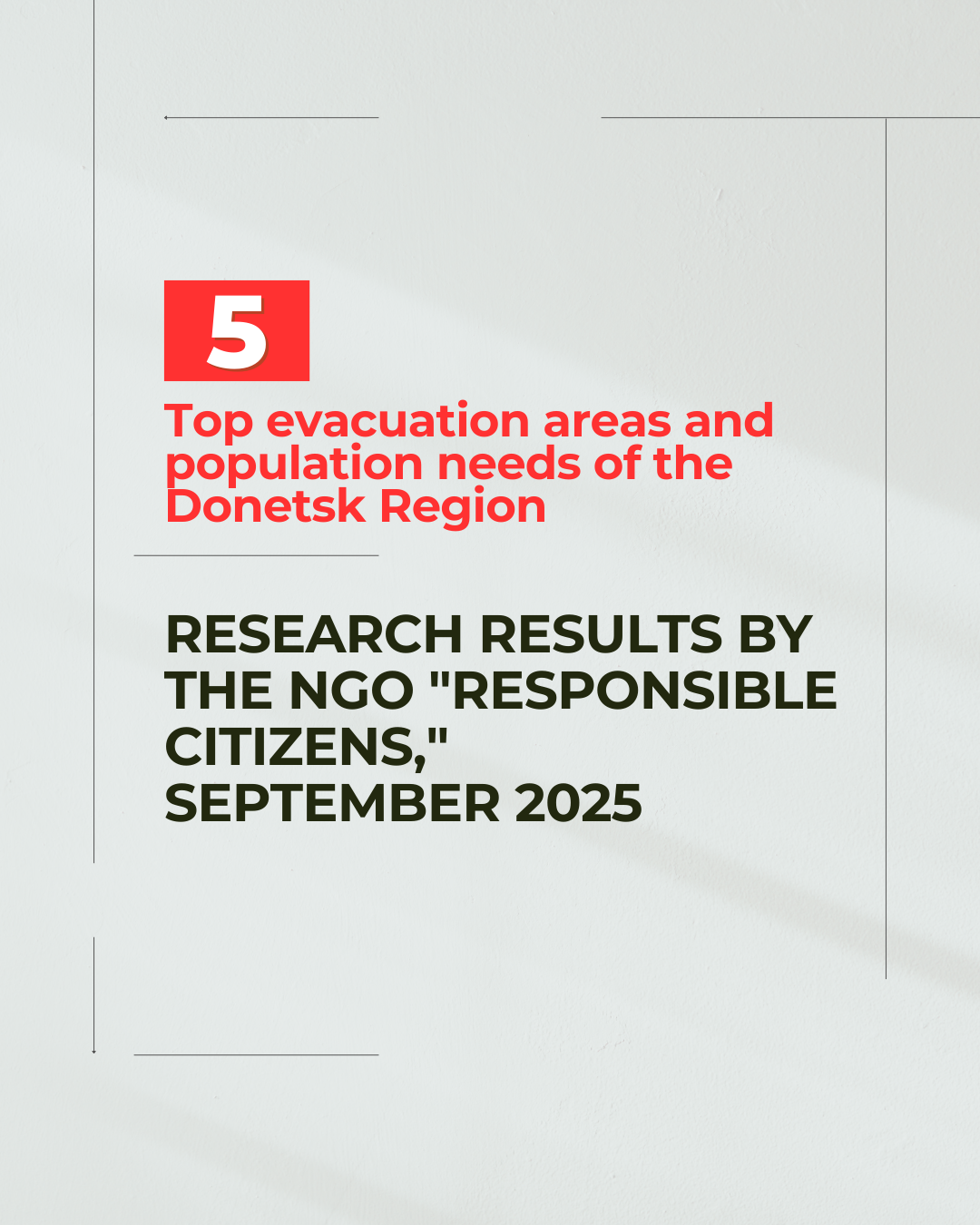 NGO Responsible Citizens conducted an evacuation survey in Donetsk region
NGO Responsible Citizens surveyed 1,004 people in Donetsk region to better understand the scale of displacement and current humanitarian needs. Such studies help to plan actions that address the challenges families face every day.
-
 Specialists from the NGO “Responsible Citizens” participated in Inclusion Week
The event was organized by Mercy Corps in partnership with Alliance.Global and Humanity and Inclusion. This event focused on discussing inclusive approaches to supp...
-
Empowering Communities: NGO ‘Responsible Citizens’ and World Vision International Educate Over 15,000 in Ukraine
This project by the NGO "Responsible Citizens" was conducted in partnership with World Vision International. It became part of a comprehensive educational program for residents of Donetsk, Dnipropetrovsk, Zaporizhzhia, and Kharkiv regions.
-
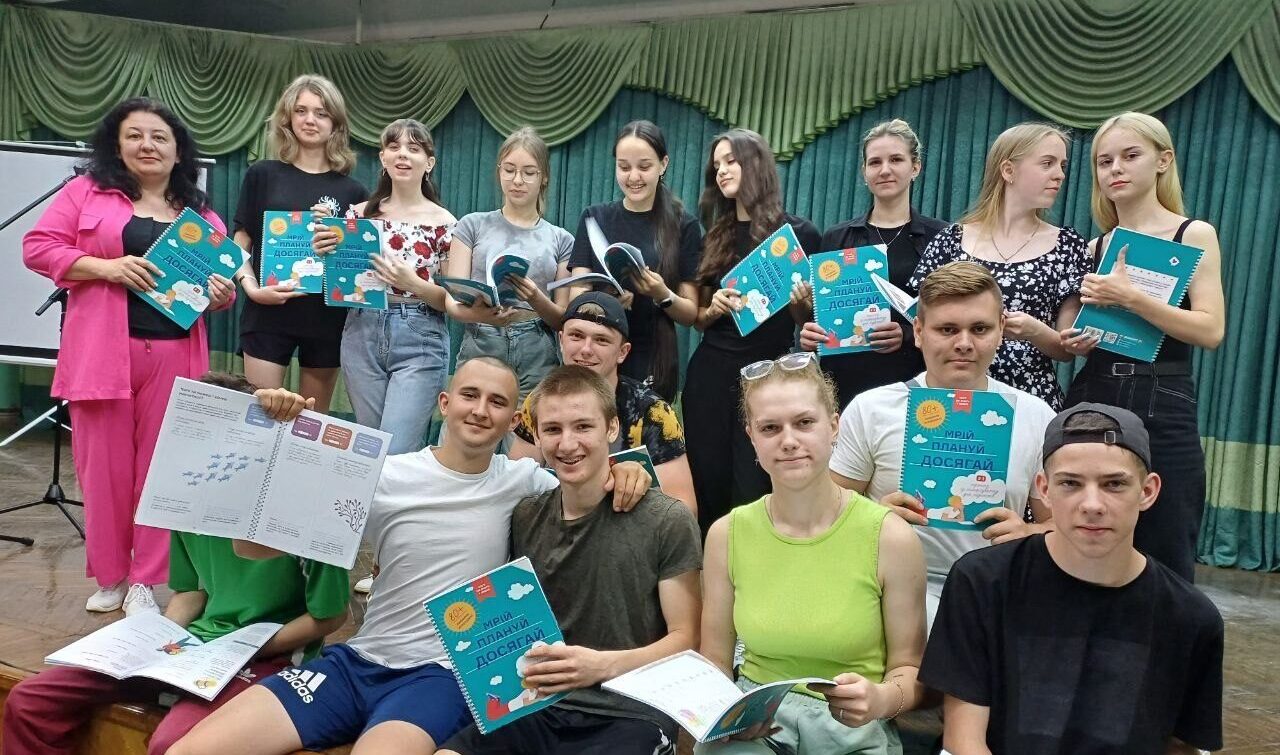 Once, We Were Simply Young People Who Decided to Take Action
In 2014, in Donetsk, a team of young volunteers came together to help people who found themselves in difficult circumstances because of the war. That is how the story of the NGO Responsible Citizens began.
-
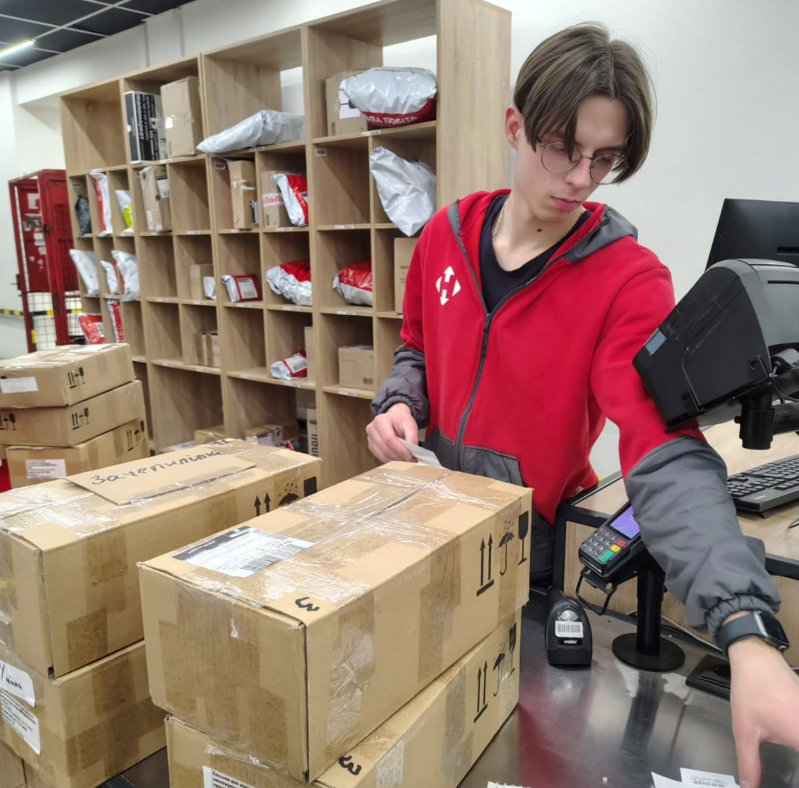 Over 200 kg of Humanitarian Support for Team Operations in Dnipropetrovsk Region
With the support of Nova Poshta Humanitarian, the NGO “Responsible Citizens” dispatched over 200 kg of humanitarian support to ensure the uninterrupted operation of teams in Dnipropetrovsk Region.
-
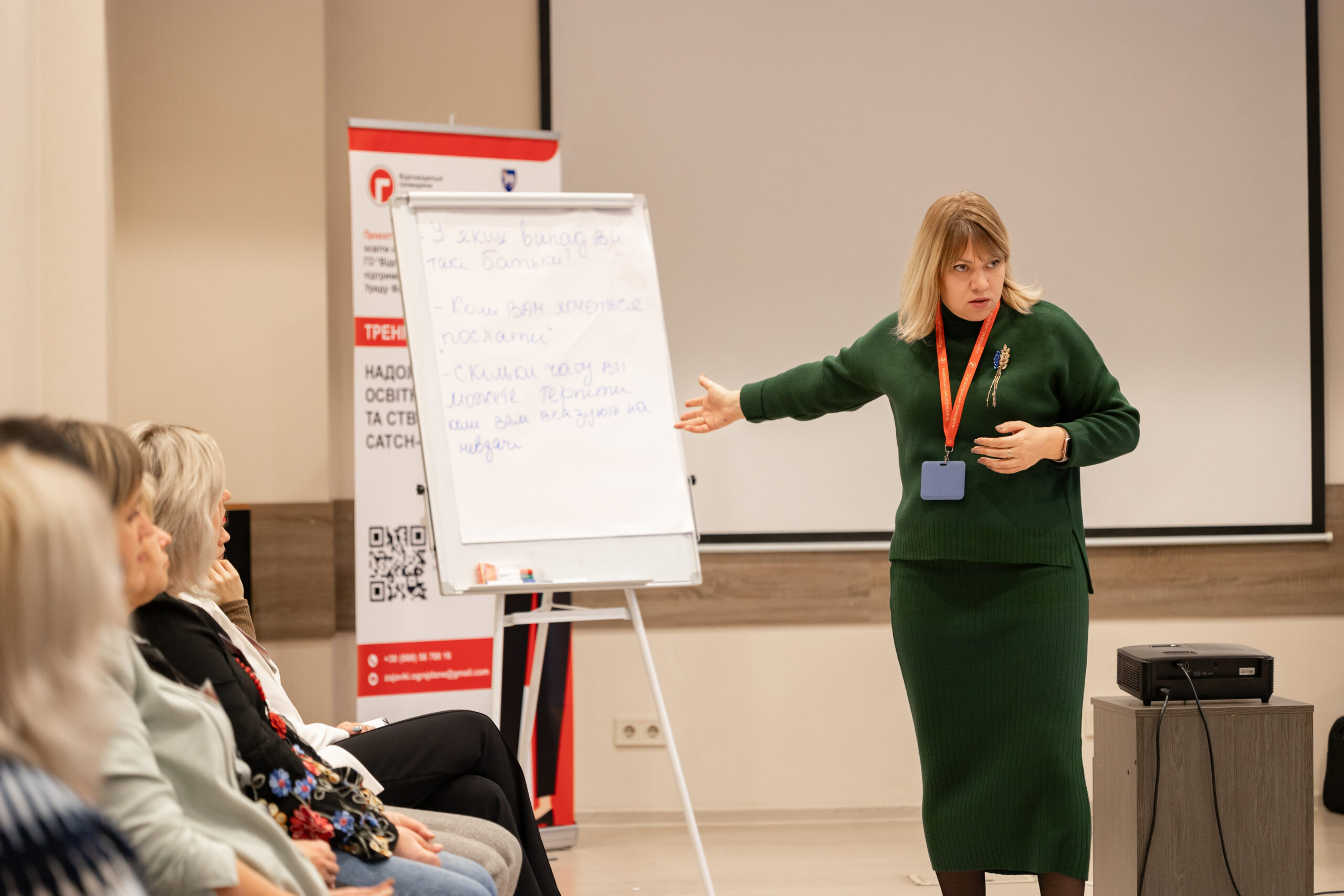 Project coordinator of Responsible Citizens joins Education in Emergencies technical working group
Olena Bieloliptseva, Coordinator of Education Projects at the NGO Responsible Citizens, has joined the Thematic Working Group on Education in Emergencies (EiE). The...