
Humanitarian System 2026: Fewer Resources, Greater Responsibility for Local Organisations
Більше новин
-
 Ukrainian leadership in action: shaping the future of Humanitarian Aid
On May 23, the Responsible Citizens team took part in the 3rd Annual International Conference “Ukrainian Leadership in Aid,” organized by the Alliance of Ukrainian Civil Society Organizations and international partners.
-
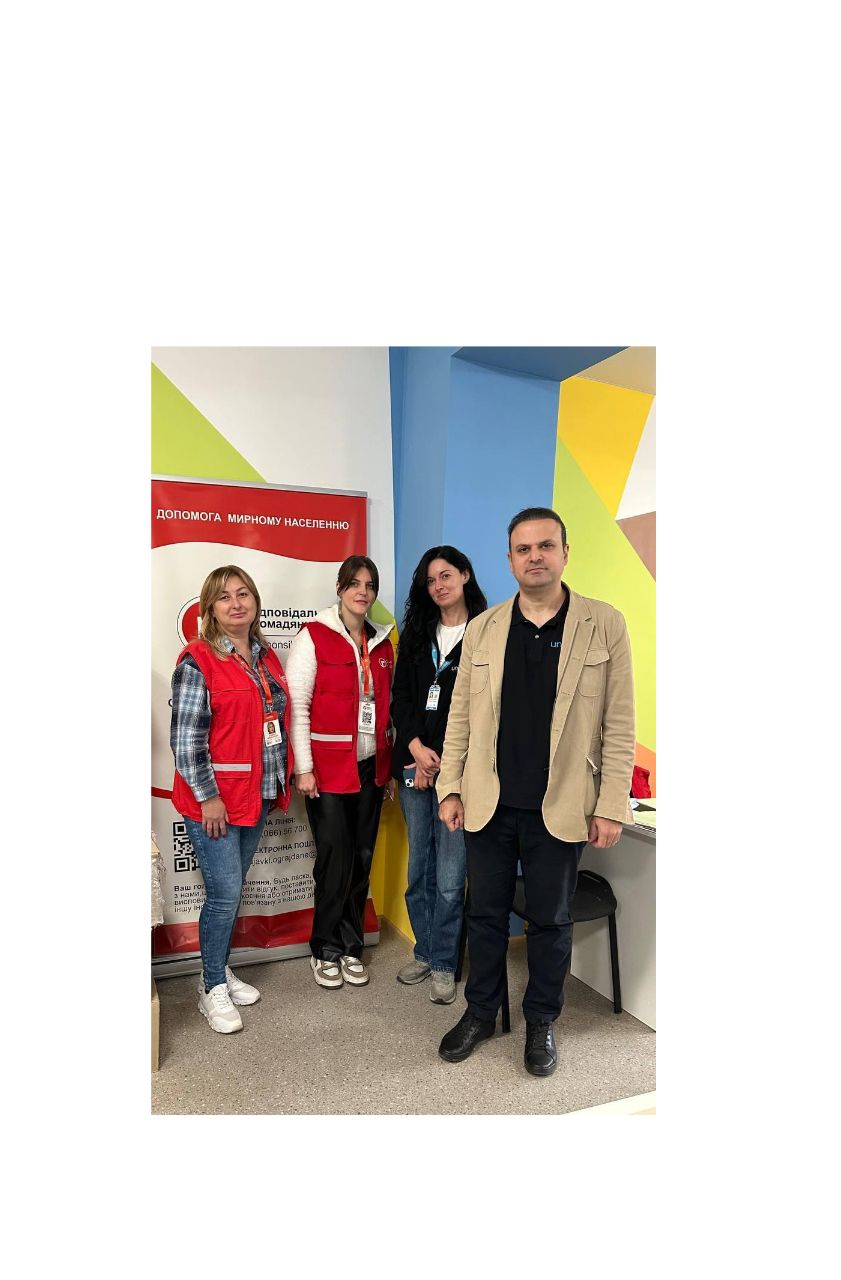 A working meeting between the UNICEF team and the NGO “Responsible Citizens” took place in Kramatorsk
During the visit, the Head of the UNICEF Ukraine Office, Munir Mammadzade, together with colleagues, visited a Child-Friendly Space implemented within the framework of a joint project with UNICEF, where they met with specialists of mobile teams.
-
 Delivering humanitarian aid to Kryvyi Rih and Zaporizhzhia
Today, it’s not only about covering basic needs. It’s about creating spaces of care — where resilience, trust, and hope can grow.
-
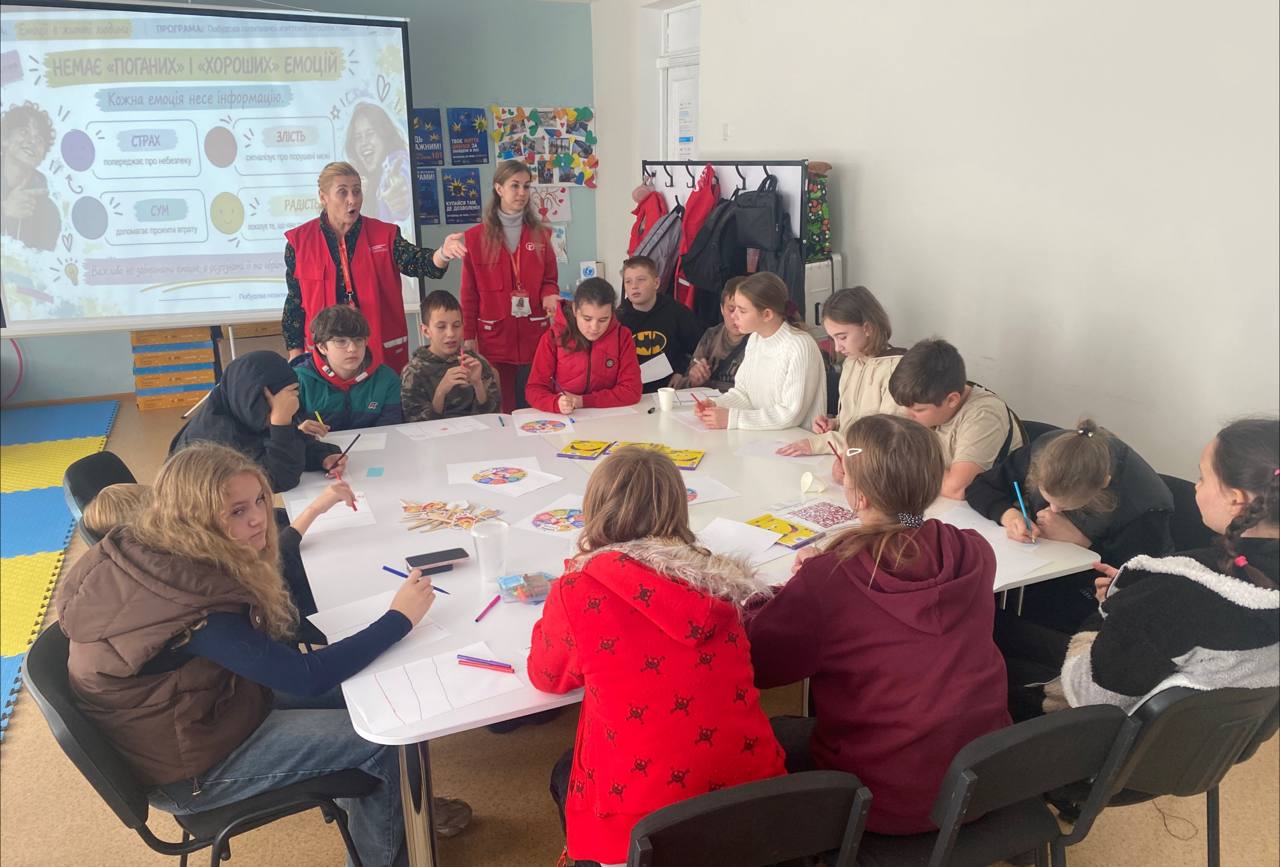 Teenagers in Dnipropetrovsk Region Learn to Set Goals and Plan for the Future
As part of a project implemented by the Responsible Citizens NGO in partnership with UNICEF Ukraine, children and teenagers learned to better understand their aspirations and take the first steps towards achieving them.
-
 Over 100 organizations unite for child-centered change
Responsible Citizens NGO has joined the Civil Society Collaboration Platform for the Best Interests of the Child — a space for cooperation between international, national and local organizations established to implement the Strategy to Ensure Every Child’s Right to Grow Up in a Family Environment in Ukraine (2024–2028).
-
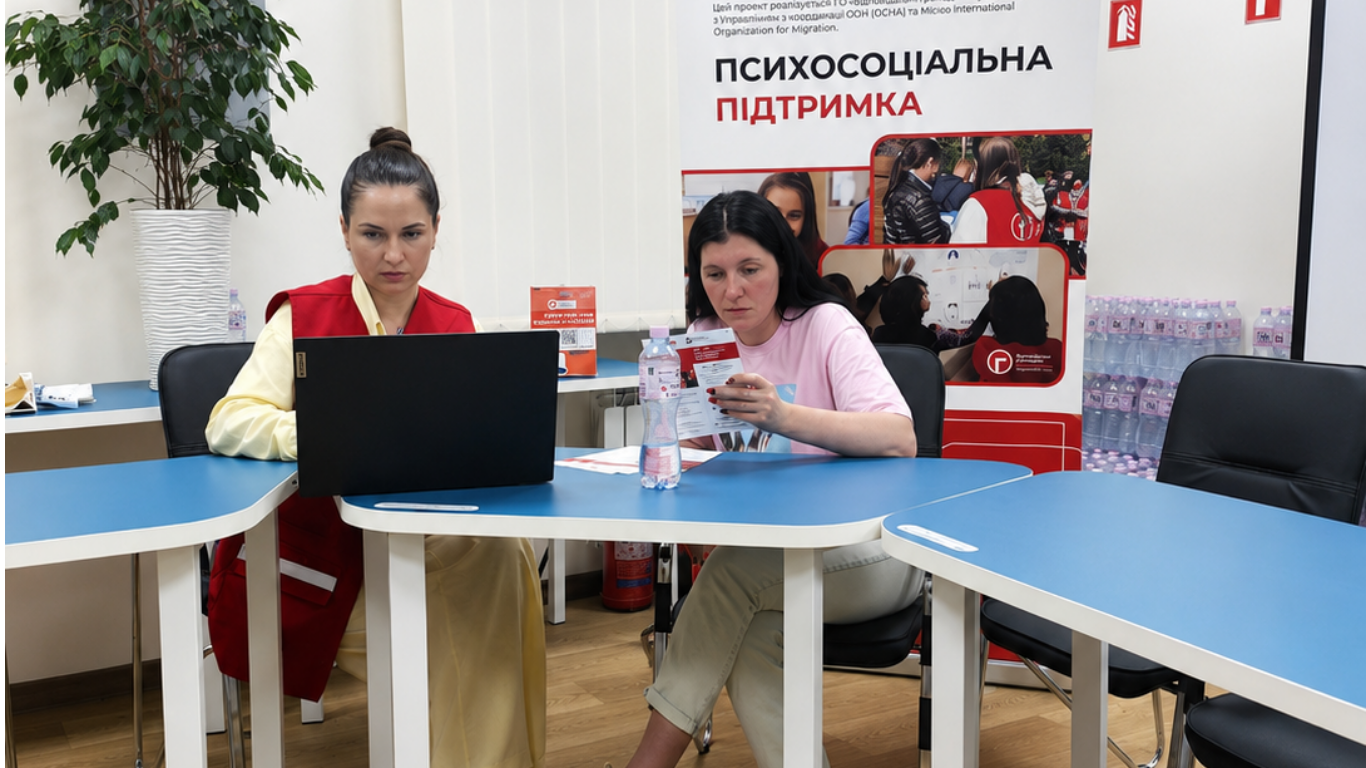 “I Still Can’t Tell Myself, ‘That’s It, Let’s Move On’”: Victoria’s Story from Toretsk
Before the full-scale invasion, Victoria lived in Toretsk, Donetsk Oblast. She worked as a school psychologist and raised her son together with her husband. After 2014, the city lived alongside the war. Despite the constant danger, people tried to maintain their usual routines.
-
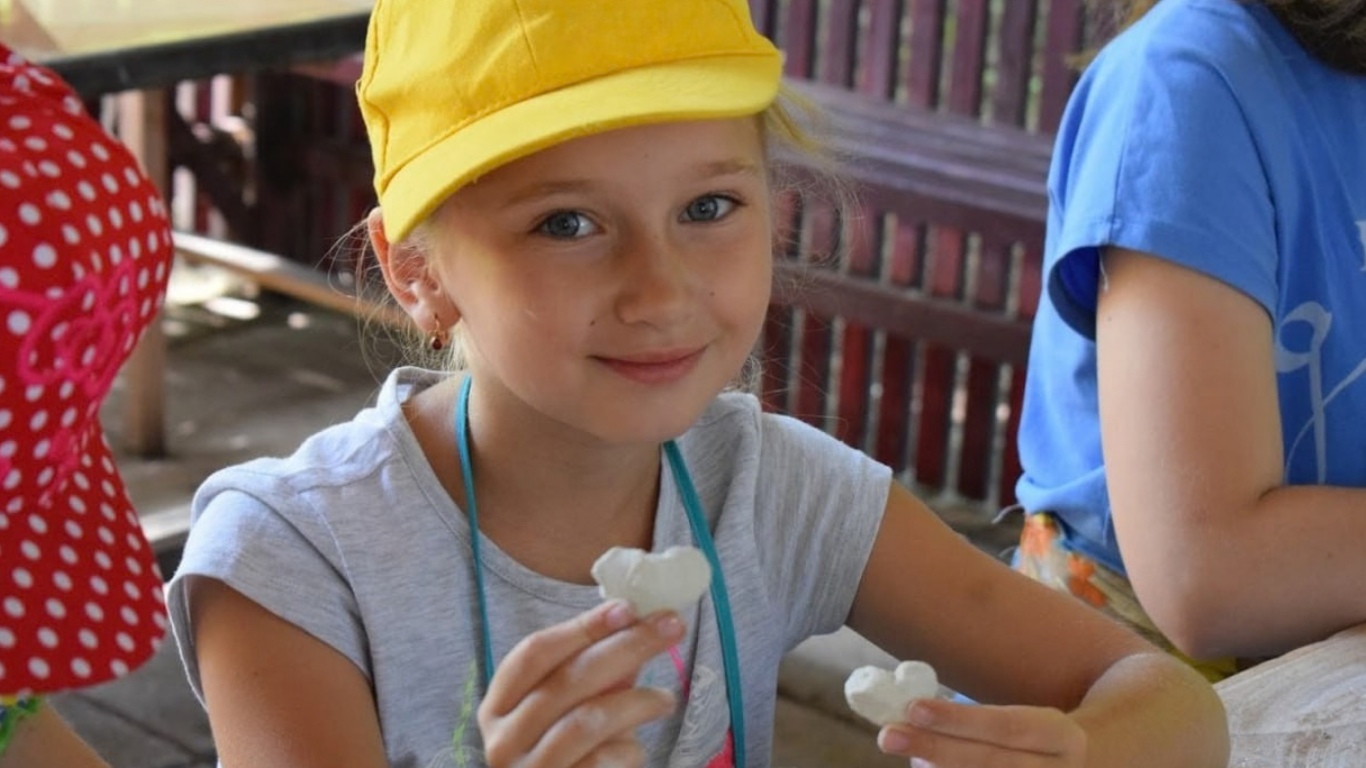 September 21 — International Day of Peace
In 2001, the United Nations General Assembly adopted a resolution proclaiming September 21 as the International Day of Peace. The date is intended to draw attention to the need to preserve peace and build a society where people can live free from fear and violence.
-
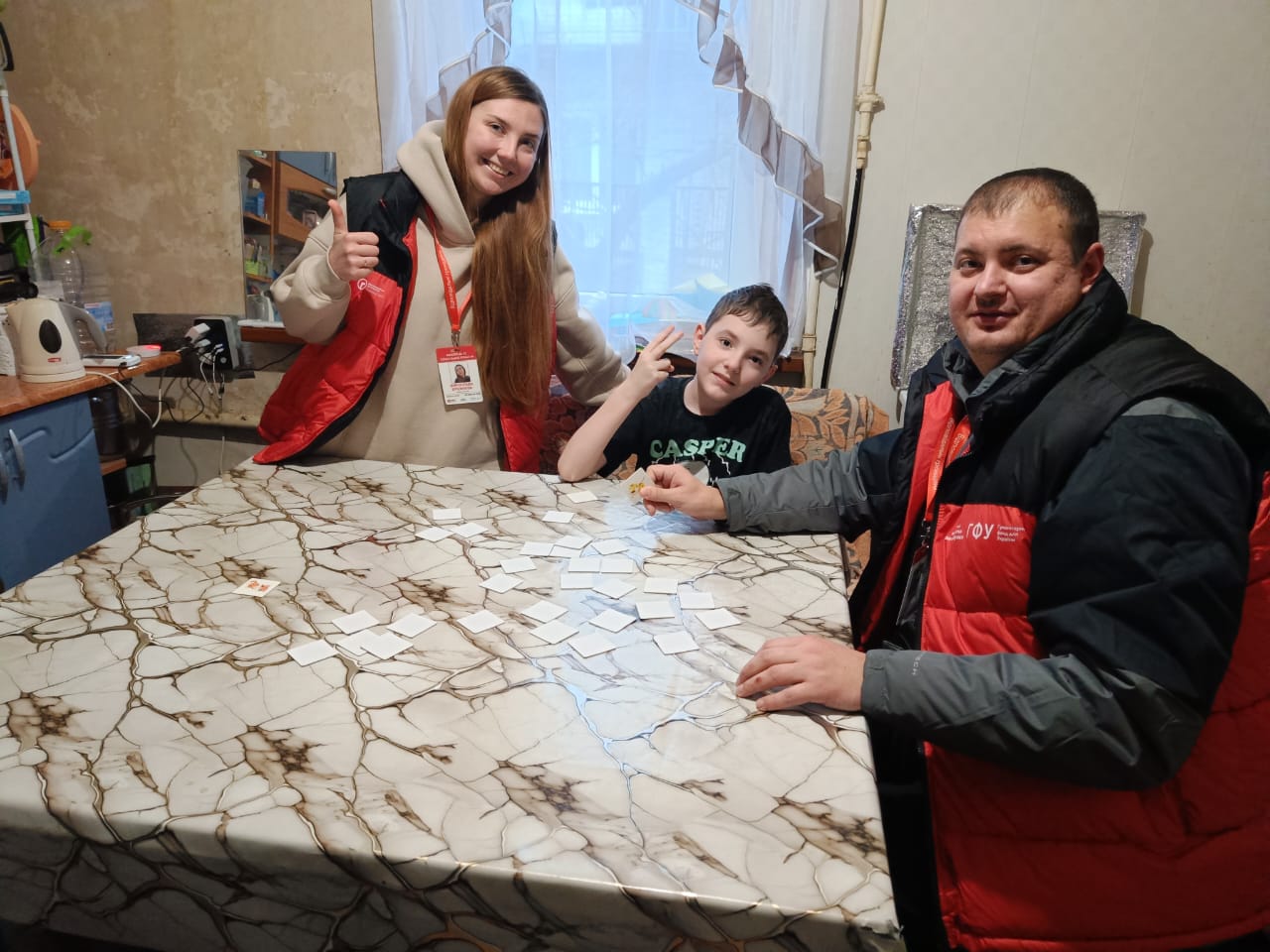 Integrated Support for Families in Kharkiv Region: Case Management, Cash Assistance and Art Rehabilitation
Since October 2025, Responsible Citizens NGO has been implementing the project “Integrated Multi-Sectoral Support for Vulnerable Families in the Kharkiv Region,” supported by the Ukraine Humanitarian Fund. The initiative unites partner organisations to deliver coordinated assistance to families affected by the war.