
“The Most Important Thing Is Knowing There Are People Who Will Help.” Kristina’s Story of Finding Support for Her Family After Forced Displacement
“When you move to a new city, it’s very difficult to figure out where to turn for help. You don’t know where to find the right doctor or specialist. A friend recommended that I contact your organization, and I’m very grateful to her,” recalls 29-year-old Kristina, who was forced to leave Velyka Pysarivka in Sumy Oblast with her two children a year ago because of constant shelling.
After relocating to Okhtyrka, the mother of two faced new challenges: finding housing, helping her daughter Varia adjust to a new school, and, most importantly, finding support for five-year-old Yehor, who has a disability.
“I didn’t know where to turn. We needed comprehensive support: a psychologist, a speech therapist, a special education teacher, and a rehabilitation specialist. Not every specialist works with children like Yehor. The hardest part was simply figuring out where to find them,” Kristina says.
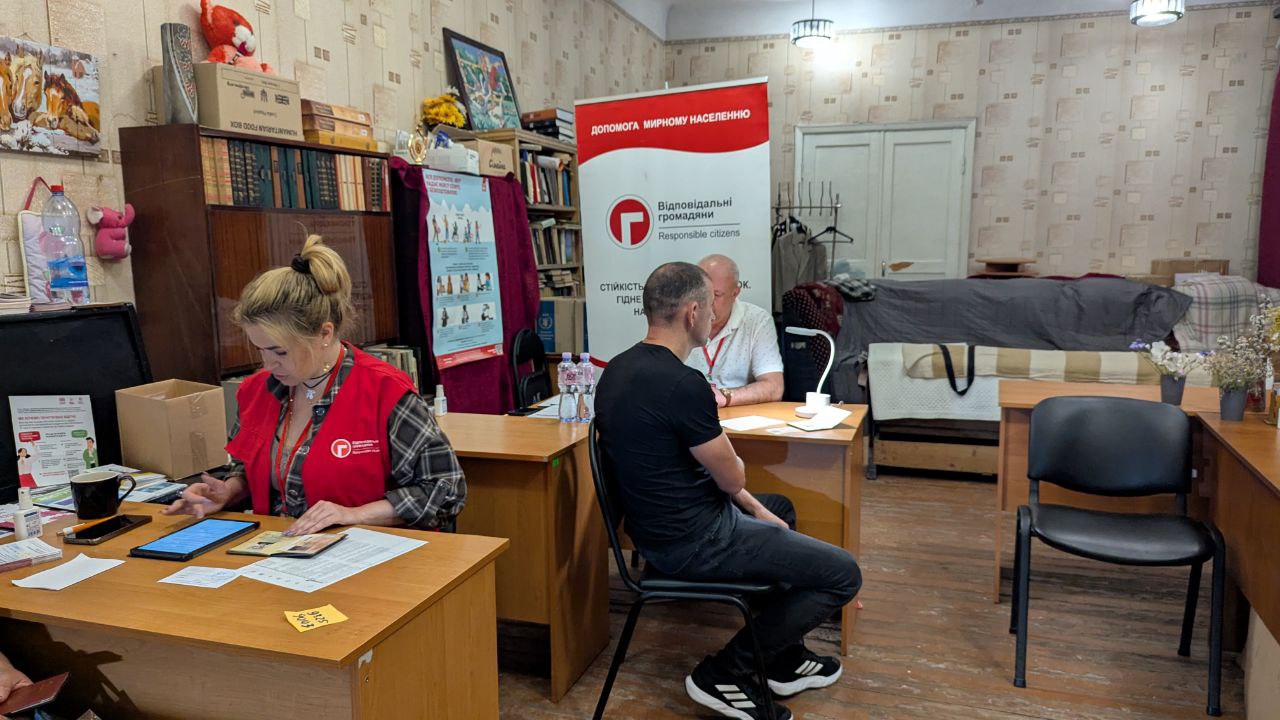
Kristina learned about the mobile team of the NGO Responsible Citizens through a friend. There, she received help finding the right specialists for her son, guidance on completing the necessary paperwork, and support as the family settled into their new community.
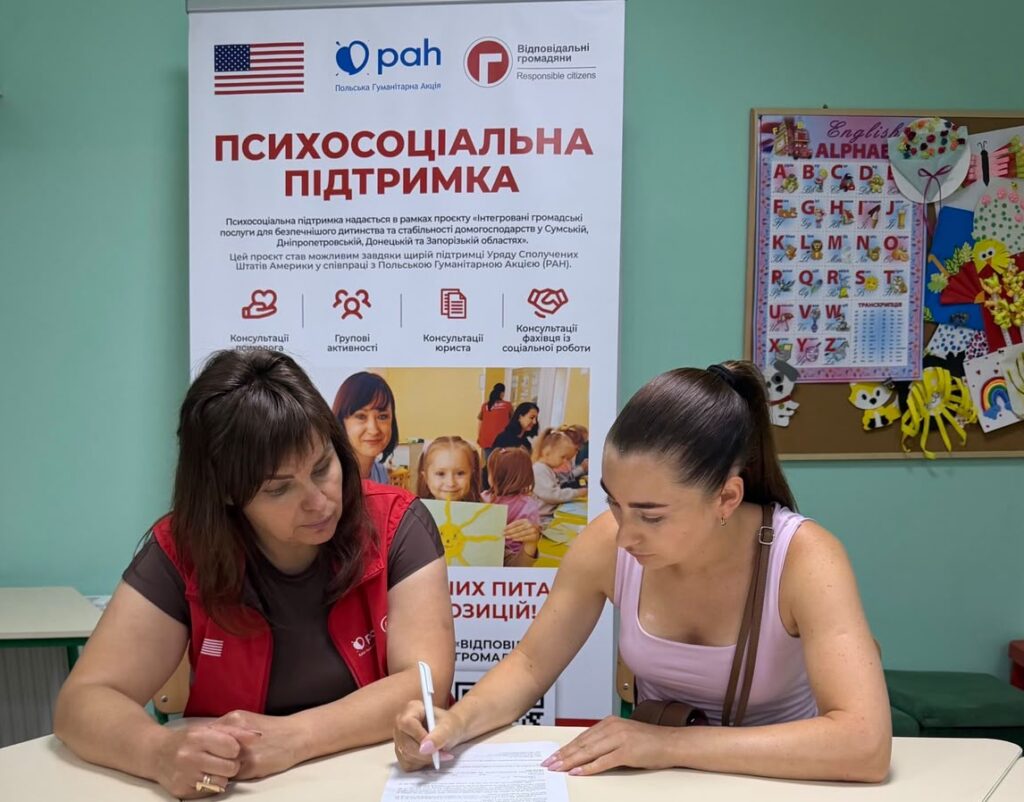
“Your specialists helped us schedule appointments with a special education teacher and a speech therapist and explained how to complete the paperwork. What I really appreciated was how open and approachable everyone was. You know, sometimes you go to an organization and feel like people are thinking, ‘Here comes another one…’ But here, it was the opposite. They said, ‘Reach out to us—we’ll help you.’ They kept calling whenever they found something useful, whether it was a new specialist or simply some helpful advice.”
Soon, Yehor began attending one-on-one sessions with specialists. After just a few meetings, his mother noticed the first changes.
“Before, Yehor couldn’t stay focused on one activity for very long and rarely used a pointing gesture. Now, if he wants something, he can point to it with his finger. They also explained how I should work with him at home. Honestly, I thought he wouldn’t be able to sit through the sessions or complete the tasks. But now I can see that he can.”
Yehor was not the only one who received support. Following the specialists’ recommendation, his older sister Varia started attending activities at the Youth Center, where she takes drawing and dance classes. But the most important support, Kristina says, was the support she herself received.
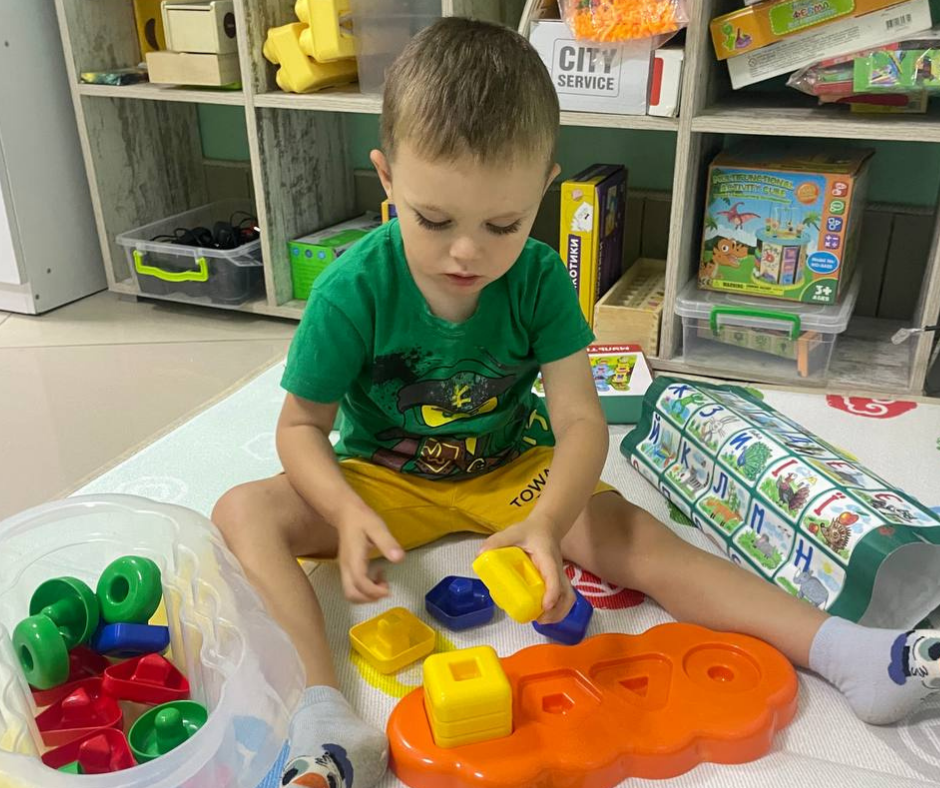
“The hardest thing for me was accepting that my child has a disability. Even harder was learning how to respond to other people’s reactions. When Yehor would scream loudly in a shop or out on the street, people looked at us with judgment. I would come home and cry because I didn’t know how to protect my child or how to respond in those situations. It was especially difficult because I had moved to a city where I didn’t know anyone. People don’t know our story, so they think my child is simply misbehaving.”
During her sessions with a psychologist, Kristina learned to respond differently to these situations and gradually began accepting her new reality.
“I still haven’t fully accepted that my child has a disability. But I’m working on it. The psychologist has been a great help. Sometimes, you simply want someone to listen without judging you. Even that alone makes things easier.”
Despite all the challenges, Kristina continues to dream. She hopes to start her own business—a place where families raising children with special needs can buy safe food products.
Above all, she dreams about her children’s future: that Varia will be able to enjoy a normal childhood free from war, and that Yehor will have access to qualified specialists and successfully integrate into society.
“I worry a lot about his future. I want to do everything I can to help him better understand the world, communicate with other people, and feel confident. It means so much to have specialists nearby who can help make that possible.”
This publication, and the assistance described in it, were made possible through the generous support of the Government of the United States in cooperation with the Polish Humanitarian Action (PAH). The contents are the responsibility of the NGO Responsible Citizens and do not necessarily reflect the views of the United States Government.
Більше новин
-
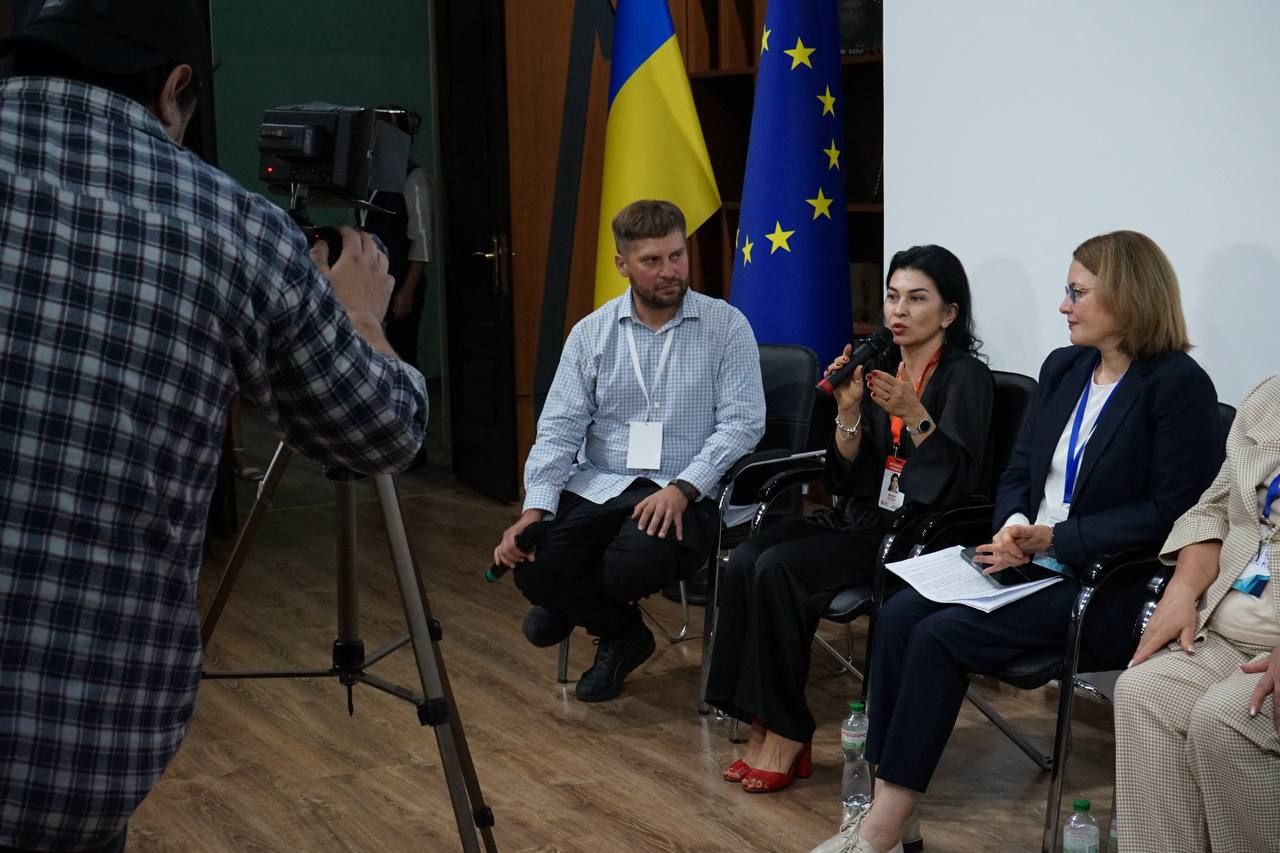 Voices of Donetsk Region: Partnership for Community Support
The Partnership and Cooperation Forum “Voices of Donetsk Region” has become an important platform for discussing these challenges, presenting the Network’s Roadmap, and developing joint solutions.
-
 St. Nicholas Day in safe spaces: warmth, creativity, and support for families
If it’s a holiday, it’s only in child-friendly spaces! Festive events dedicated to St. Nicholas Day took place in Kharkiv, Zaporizhzhia, and Dnipropetrovsk regions!...
-
 Kupiansk — Bohodukhiv — Kharkiv: the story of a family restored by support
This is a story about fulfilling every child’s right to protection, development, and support — and about how the team of “Responsible Citizens,” together with UNICEF Ukraine, makes these rights a reality every day for families who have experienced war.
-
 Kyiv summarizes results of educational project implemented with the Government of the Faroe Islands
Experts, teachers, parents, and students—a reflection session brought together everyone involved in the initiative to address educational losses. Over two days, participants discussed the results, challenges, and new opportunities in the educational process, which is currently facing significant setbacks due to the impact of wartime events.
-
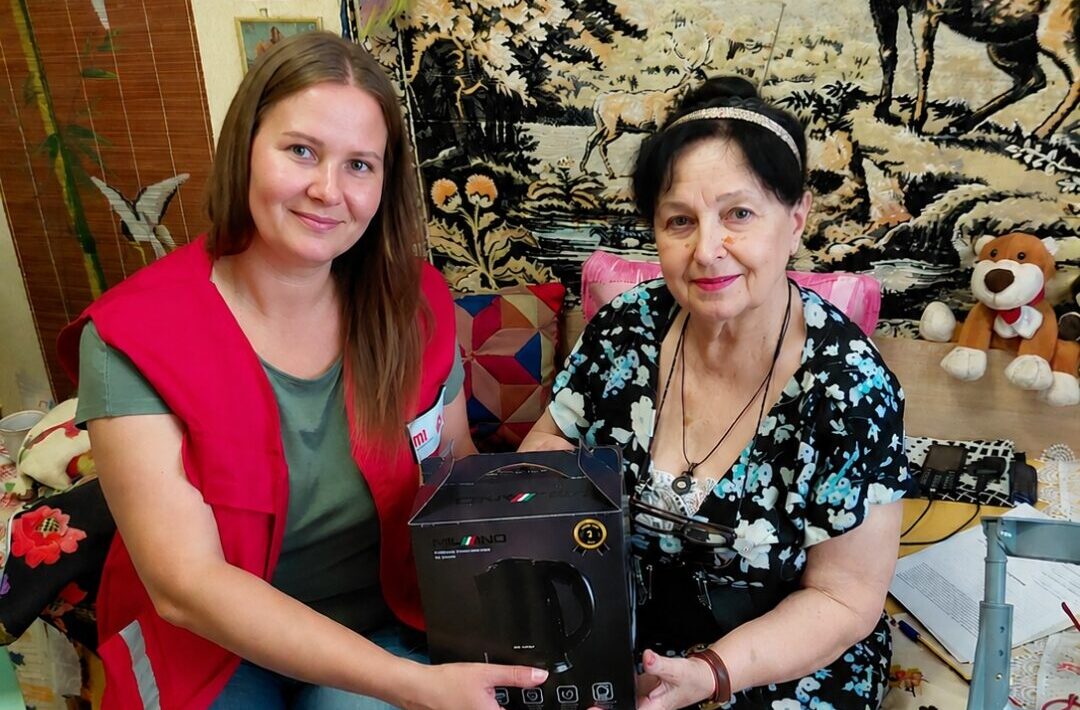 “You don’t have to face your problems alone”: how a case manager helps displaced people start a new life in their community
“I was also an internally displaced person at the beginning of the full-scale invasion, so I understand what it is like to find yourself in a completely different, unfamiliar environment. That’s why I know how important it is to feel that you are not alone, that someone cares about you and wants to help,” says Olha, a case manager with the NGO Responsible Citizens.
-
 We have completed another stage of the project to provide multi-purpose cash assistance to those affected by the war
The NGO "Responsible Citizens," in partnership with Mercy Corps and with funding from the UK government, has successfully completed another stage of the project aimed at supporting people affected by the war.
-
 Team Management Intensives for Businesses in Frontline Communities Held in Sumy Region
In the Sumy region, a series of intensives titled “Team Management and Motivation” was delivered for representatives of businesses operating in frontline areas. The training took place as part of ongoing efforts to strengthen the resilience of communities and local businesses — where managerial decisions today are no less critical than technical resources.
-
 Project coordinator of Responsible Citizens joins Education in Emergencies technical working group
Olena Bieloliptseva, Coordinator of Education Projects at the NGO Responsible Citizens, has joined the Thematic Working Group on Education in Emergencies (EiE). The...