
NGO “Responsible Citizens” continues to implement a UNICEF Ukraine project in Zaporizhzhia region aimed at supporting family-based care
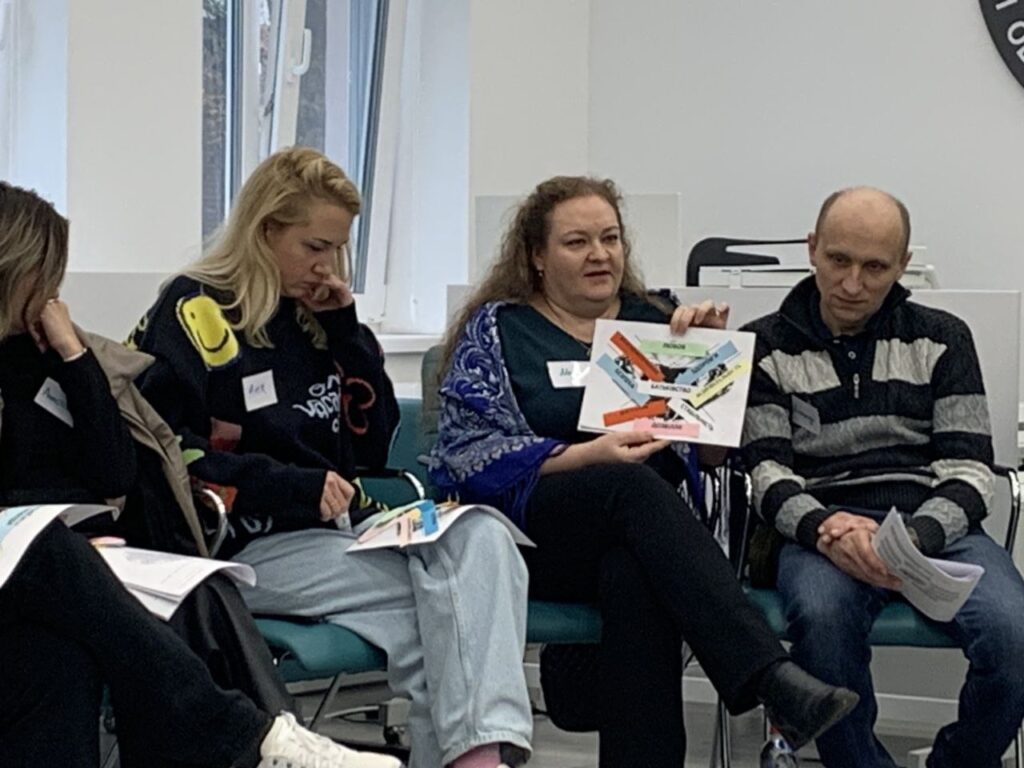
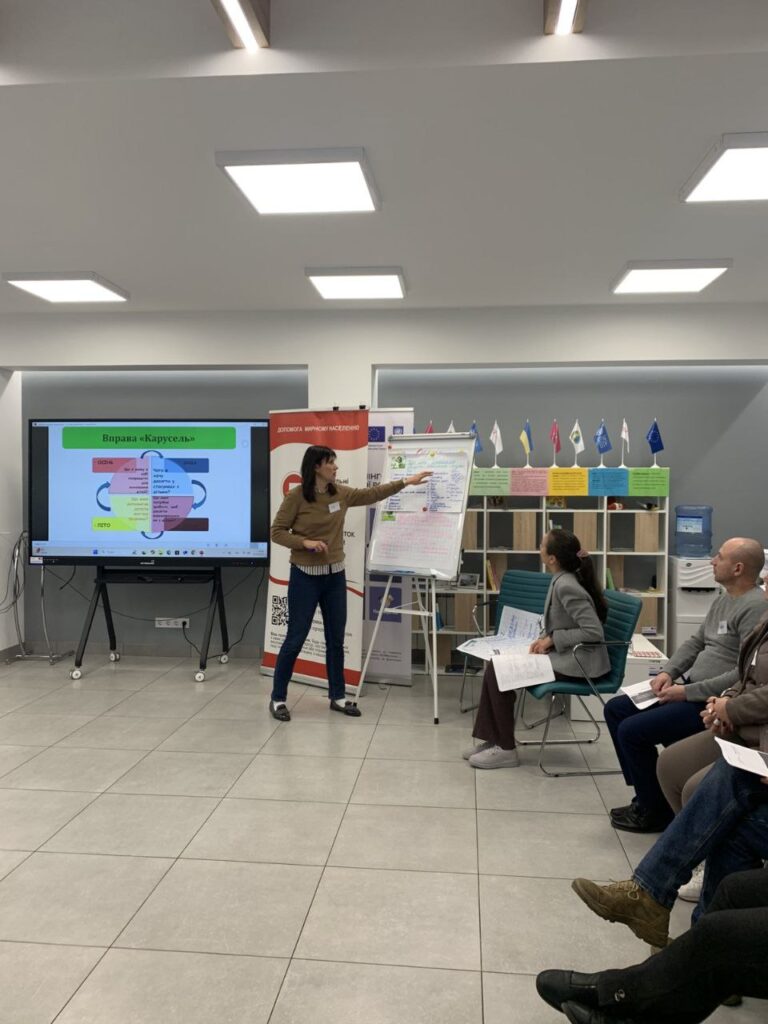
In October, the fifth training group for candidates from Zaporizhzhia region started at the Training and Education Center for Social Work.
It includes 22 future adoptive parents, guardians, foster parents, and patronage caregivers — people who consciously choose to be there for a child when they need support the most. The training is organized in cooperation with the Zaporizhzhia Regional Center for Social Services.
The Responsible Citizens team takes part in conducting training modules, sharing practical experience of working with families in difficult life circumstances, helping to understand how to support a child after traumatic events, restore trust, and create a safe, stable environment.
The program covers a wide range of topics: child development, emotional adaptation after loss, formation of attachment, interaction with biological relatives (if necessary), and effective interagency cooperation.
Participants gain not only knowledge but also practical tools that help them support children daily and help them grow up surrounded by love and care.
Thanks to such training, the number of prepared and motivated candidates ready to give children a real home and a sense of security is growing.
The cooperation between Responsible Citizens, UNICEF Ukraine, and regional social services proves that systematic preparation and support for adults is the way to ensure that every child has the chance to grow up in a family where they are understood and loved.
Більше новин
-
 Project manager at “Responsible Citizens” NGO receives International Award for Cultural Diplomacy
The award was initiated by the NGO "Grants, Ratings and Nominations" in collaboration with an expert council. It honors individuals and organizations that foster international dialogue and promote a positive image of Ukraine abroad.
-
 Responsible Citizens team completes safety training on short-range drones
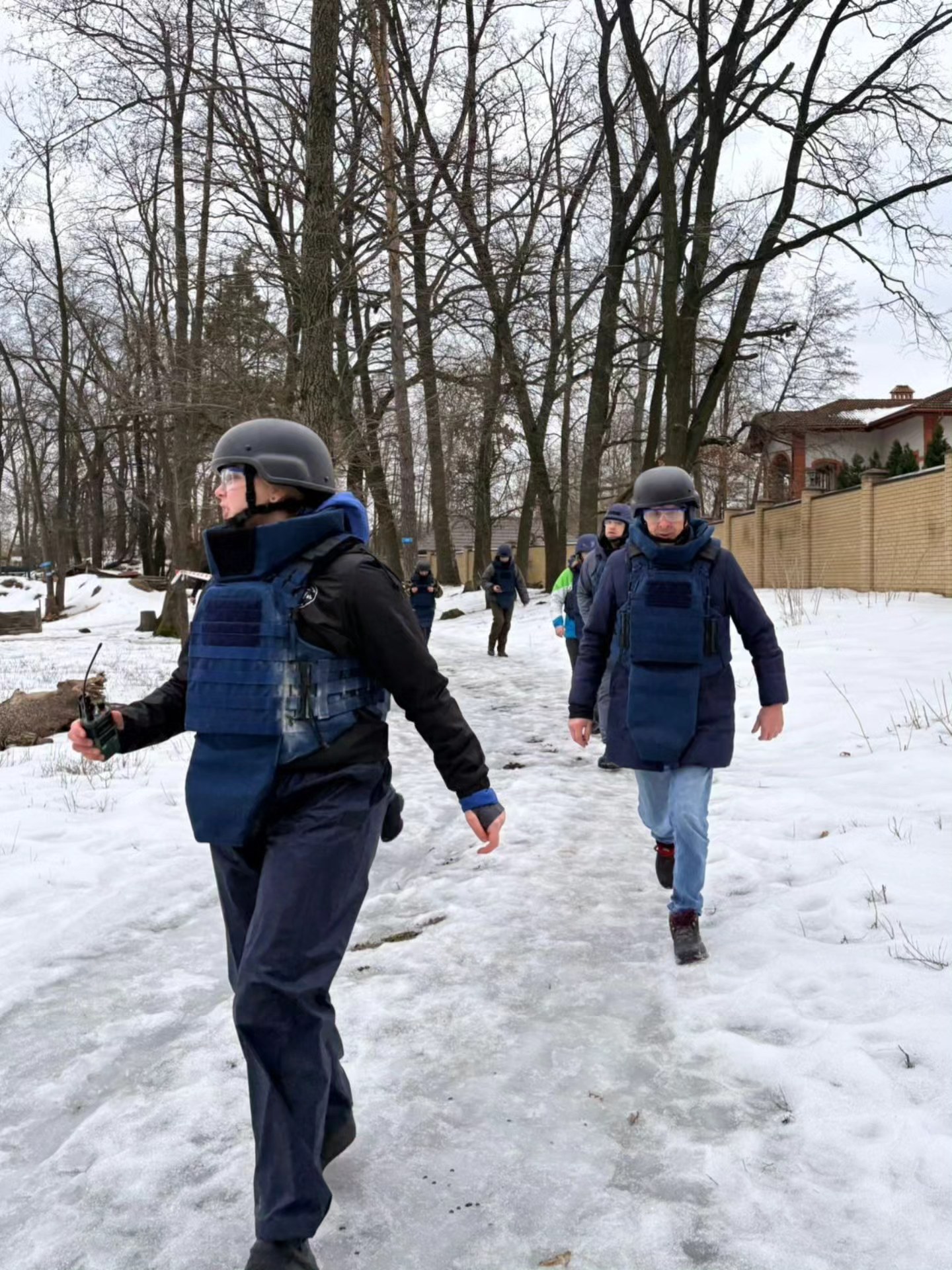
Members of the team of the NGO Responsible Citizens, within the framework of a partnership with Acted, completed an awareness training on such UAVs and countermeasures. The training combined the analysis of real attack scenarios, understanding the logic behind drone target selection, and practicing response algorithms.
-
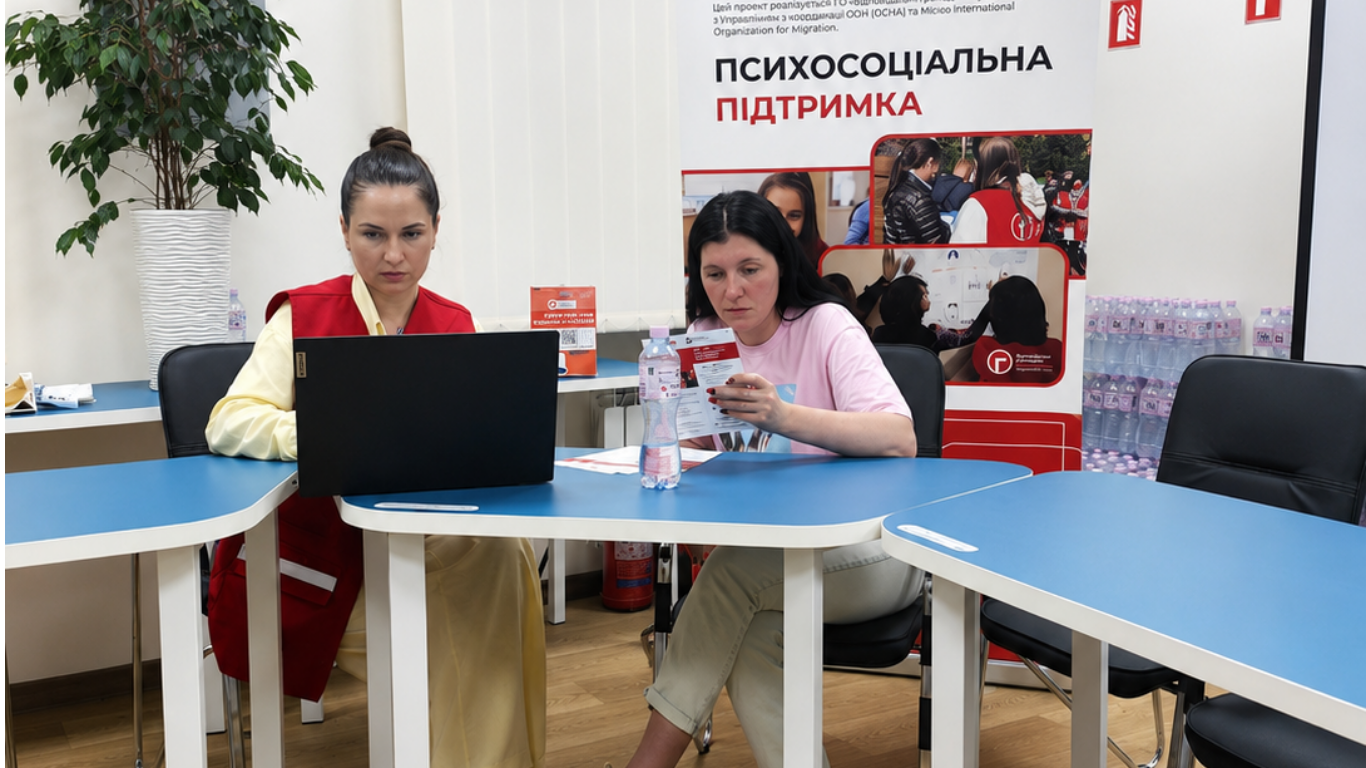 “I Still Can’t Tell Myself, ‘That’s It, Let’s Move On’”: Victoria’s Story from Toretsk
Before the full-scale invasion, Victoria lived in Toretsk, Donetsk Oblast. She worked as a school psychologist and raised her son together with her husband. After 2014, the city lived alongside the war. Despite the constant danger, people tried to maintain their usual routines.
-
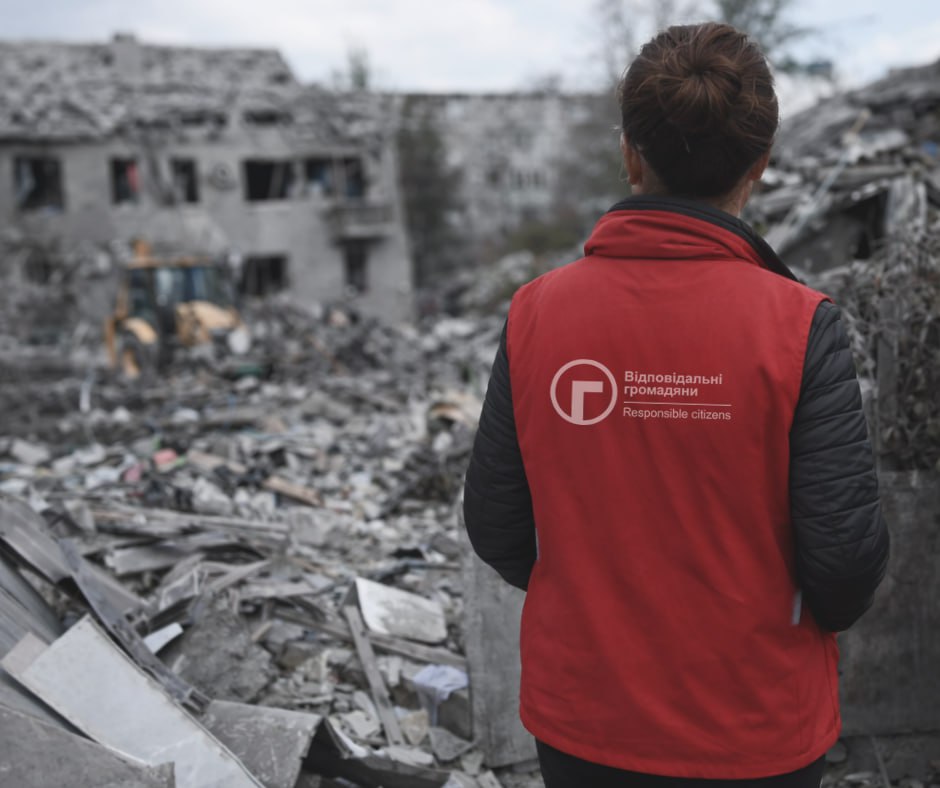 Emergency Cash Assistance for People Affected by Shelling in Donetsk and Zaporizhzhia Regions
The NGO “Responsible Citizens,” in partnership with Mercy Corps Ukraine, provides emergency cash assistance to residents of Donetsk and Zaporizhzhia oblasts whose homes were damaged or destroyed as a result of shelling. The support is aimed at rapid response and covering the most urgent needs of affected families.
-
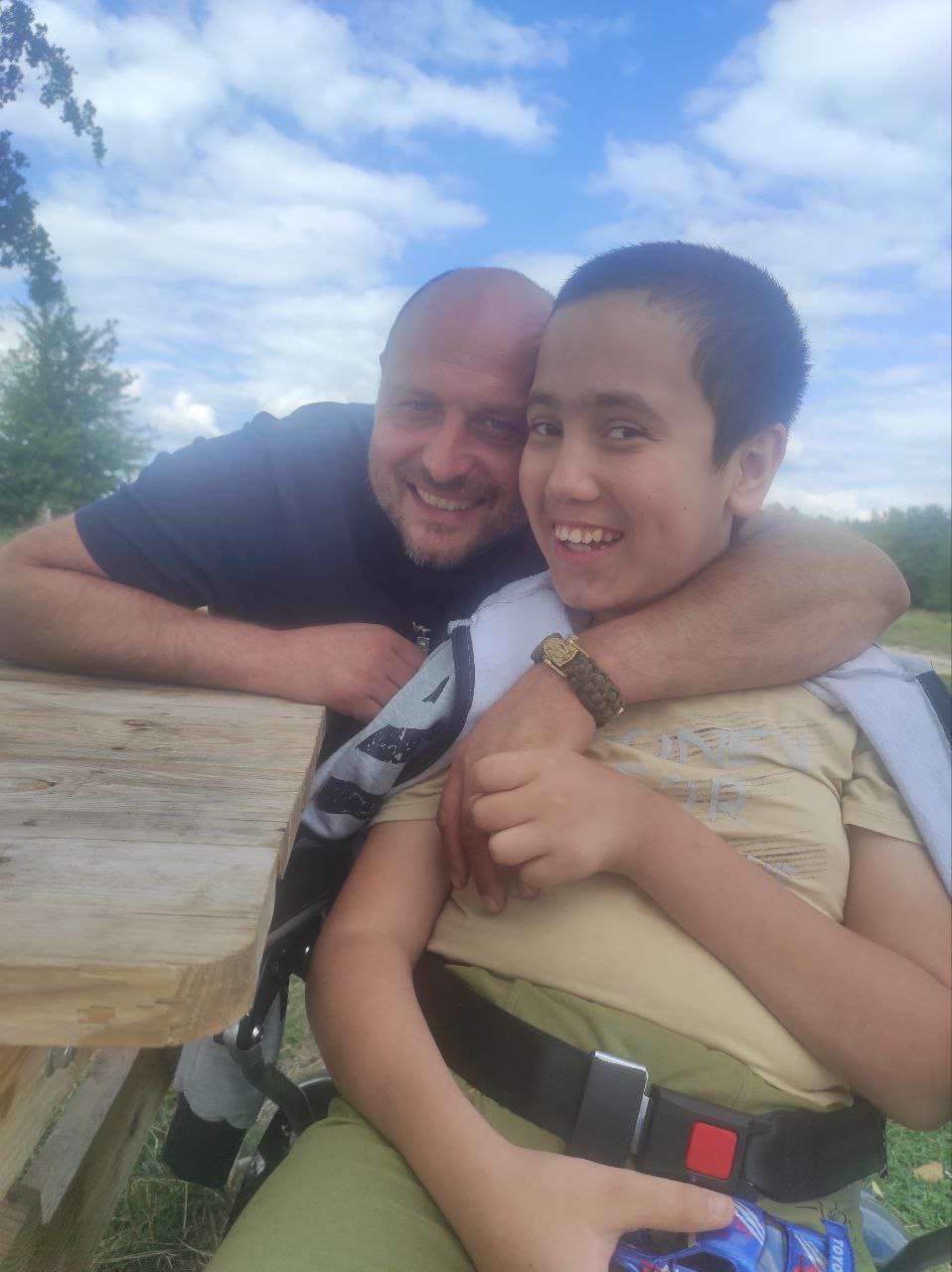 Psychological Support and Cash Assistance: The Story of Maria’s Family from Velykyi Bobryk
Через виклики війни та втрату житла родина Марії переїхала до Великого Бобрика на Сумщині, де отримала психологічну підтримку та грошову допомогу від ГО «Відповідальні громадяни» у партнерстві з JERU.
-
 Responsible Citizens became partners in the charity fair “On the Road of Childhood” in Zaporizhzhia
This event is a series of celebrations for children from occupied and frontline territories who live in the Zaporizhzhia region.
-
 Responsible Citizens NGO has become a member of the Humanitarian NGOs Platform in Ukraine
This is an important step toward strengthening coordination within the humanitarian community and expanding partnerships that help respond more effectively to the needs of people affected by the conflict.
-
 “He started smiling again. He became happy.” The story of 14-year-old Ruslan and his family after several forced relocations
For families who were forced to leave their homes because of the war, adjusting to a new place often means not only finding housing and work, but also regaining a sense of security, providing support for their children, and ensuring they can continue their education. This is precisely the kind of assistance provided by a program implemented by the NGO “Responsible Citizens” with support from the United States Government in cooperation with Polish Humanitarian Action (PAH).