
BRIDGE 2.0: Strengthening Partnerships for Safety
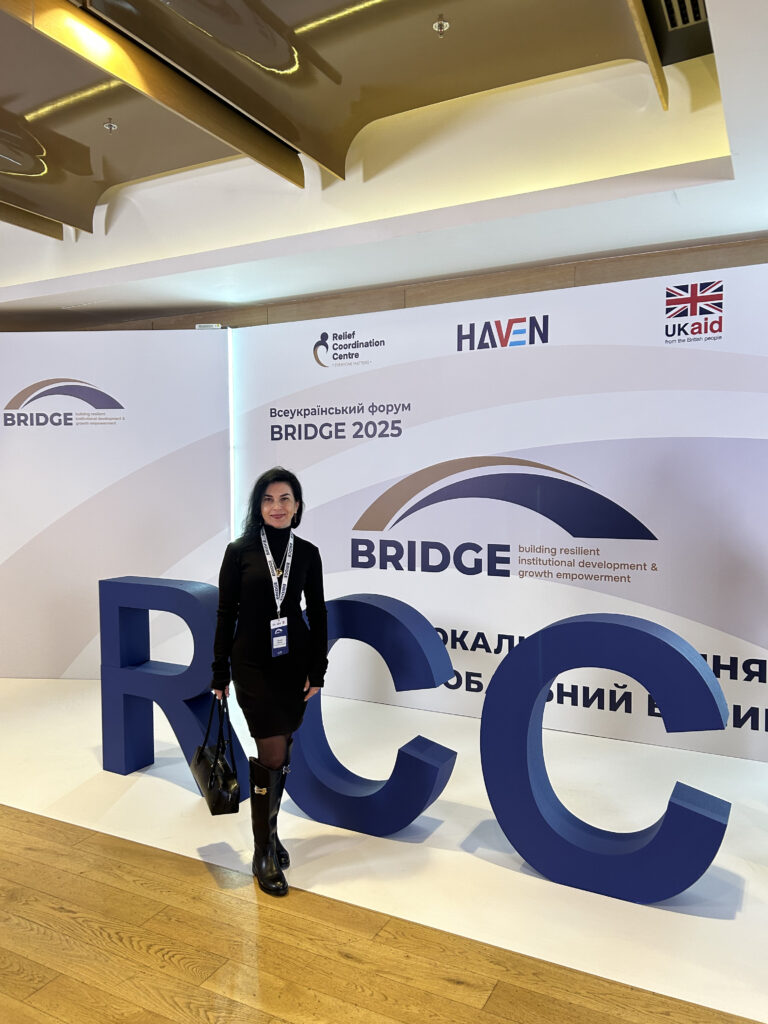
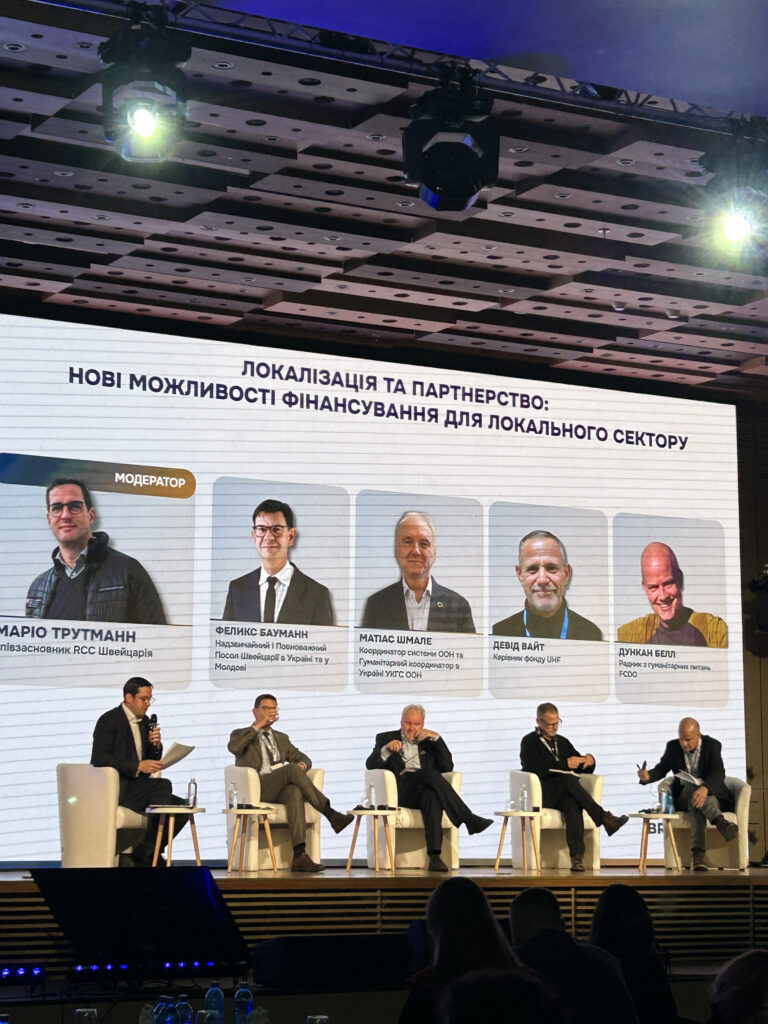
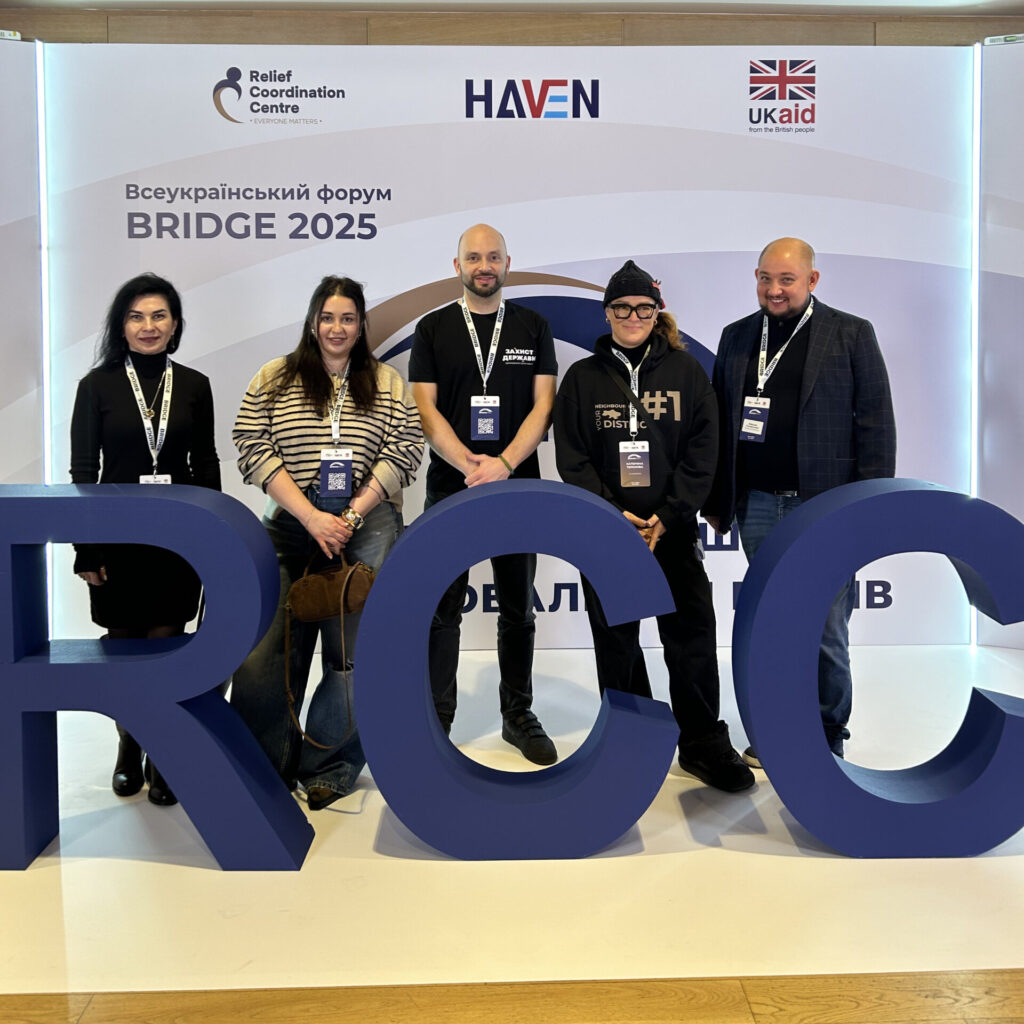
At a time when frontline communities face constant risks, strengthening coordination and partnerships becomes critically important. In this context, Oksana Ivatina, Regional Coordinator at Responsible Citizens NGO, took part in a forum dedicated to improving evacuation systems, crisis response, and the overall effectiveness of humanitarian processes.
Participants explored practical solutions for better distribution of roles during evacuations, approaches to collecting and analyzing people’s needs, and opportunities to strengthen the local sector through new funding mechanisms. The forum also presented tools from the BRIDGE 2.0 digital platform, which supports transparency and coordination of humanitarian assistance.
“For us, it is essential that any decisions are based on the real needs of people. That is why cooperation with partners is not about formality, but about creating a clear and well-coordinated response system that works exactly where it is needed most,” emphasized Oksana Ivatina.
All projects of Responsible Citizens NGO focus on supporting people living near the front line, and participation in such events helps strengthen our work and ensure more systematic and coordinated assistance to communities.
Більше новин
-
 Project coordinator of Responsible Citizens joins Education in Emergencies technical working group
Olena Bieloliptseva, Coordinator of Education Projects at the NGO Responsible Citizens, has joined the Thematic Working Group on Education in Emergencies (EiE). The...
-
 Aid that changed the life of a family from Druzhkivka: Arina’s story
Arina from Druzhkivka, Donetsk region, shares her story of how the financial assistance provided by the NGO “Responsible Citizens” became a lifesaving s...
-
 Catch-Up classes launched
In partnership with the Government of the Faroe Islands, catch-up classes have been organized since September 2024 for children who have experienced educational los...
-
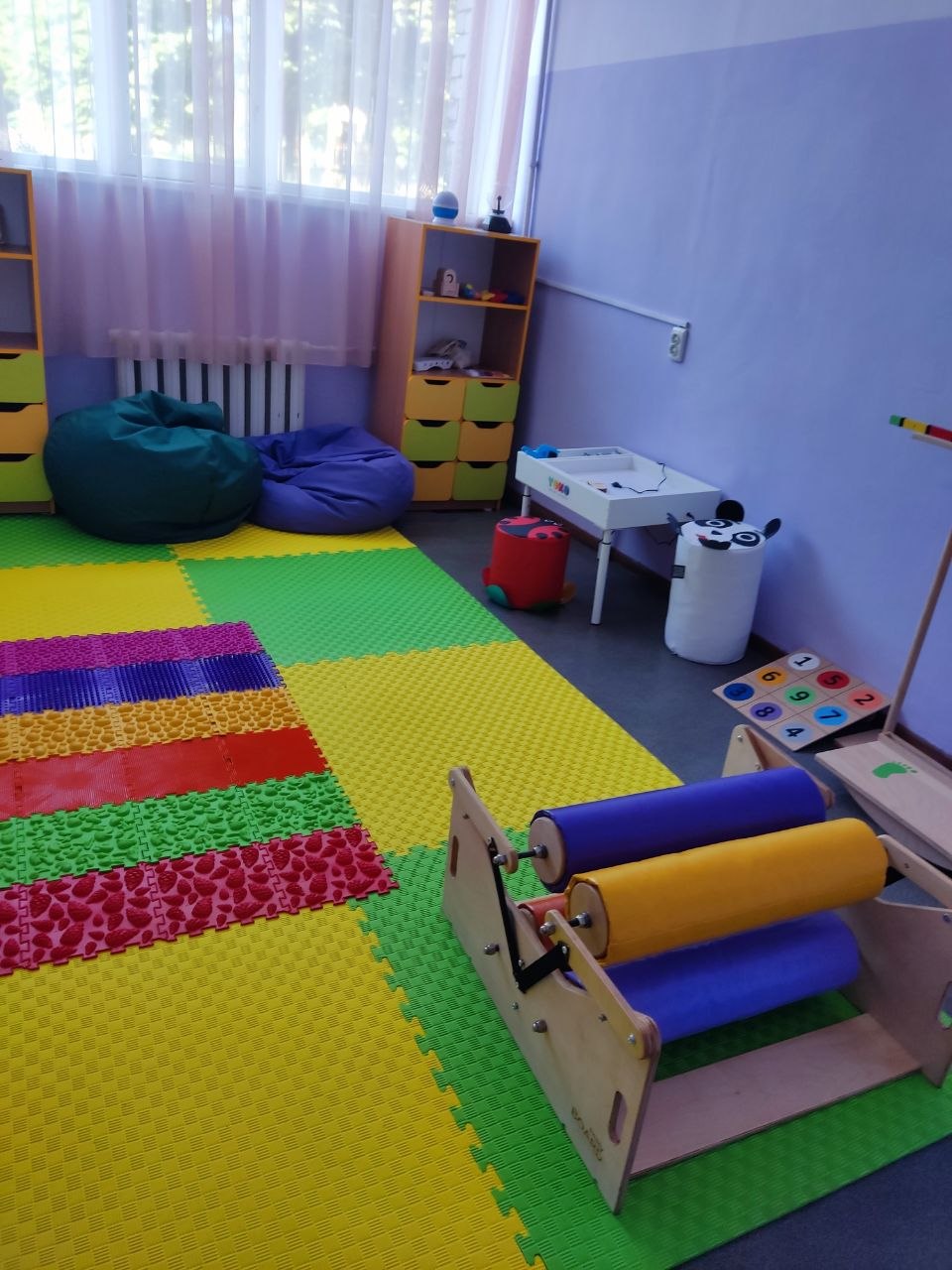 10 Educational Institutions in Zaporizhzhia Oblast Received Inclusive Equipment to Support Children with Special Educational Needs
As part of the project “Inclusive Education and Individual Support for Children in Zaporizhzhia Oblast”, implemented by the NGO Responsible Citizens with the support of Save the Children in Ukraine.
-
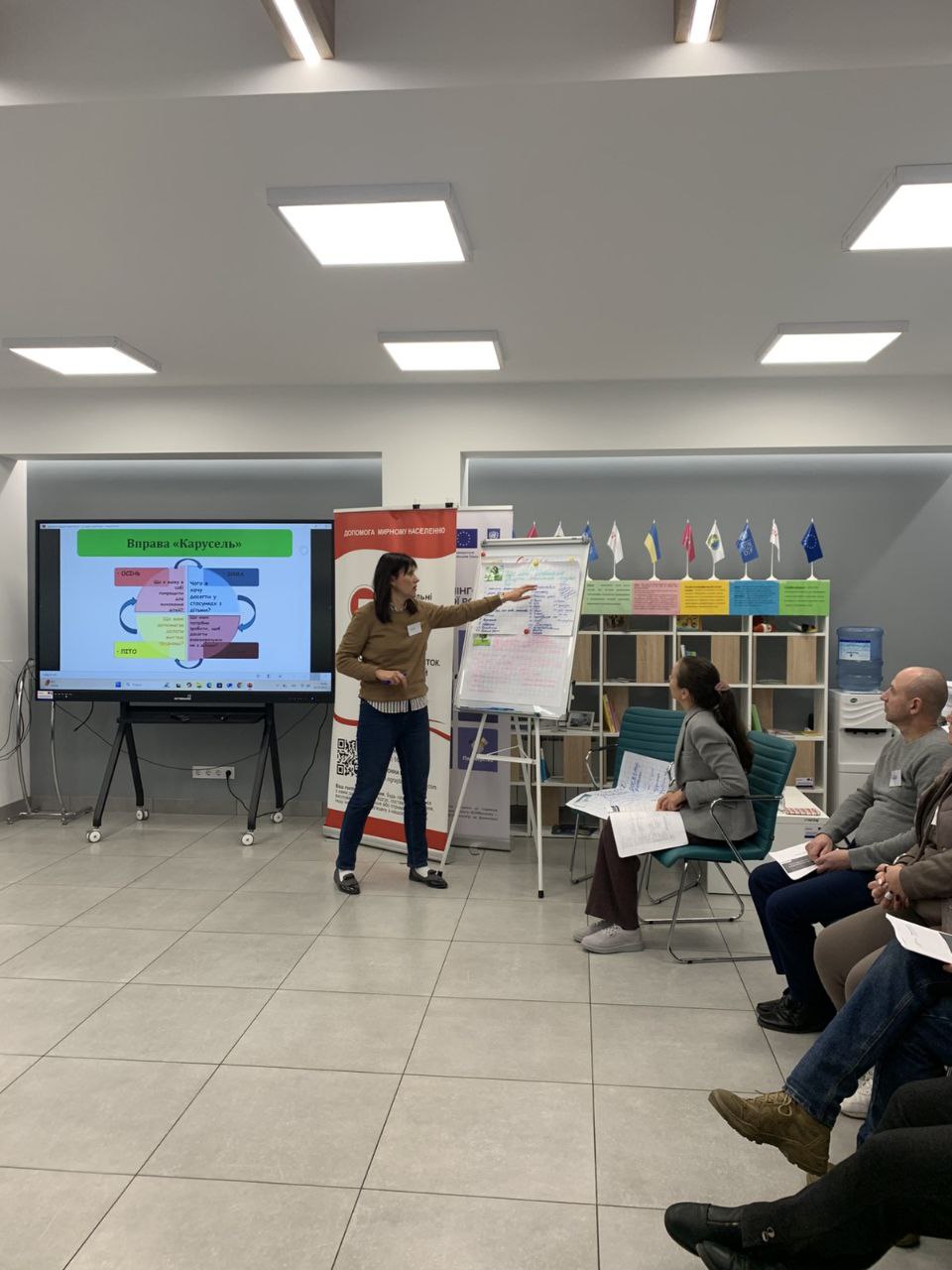 NGO “Responsible Citizens” continues to implement a UNICEF Ukraine project in Zaporizhzhia region aimed at supporting family-based care
In October, the fifth training group for candidates from Zaporizhzhia region started at the Training and Education Center for Social Work.
-
 New Child-Friendly Spaces open in Kharkiv Region
In January, new Child-Friendly Spaces began operating in Malynivska, Solonytsivska, Pivdenna, Zachepylivska, and Sakhnovshchynska communities. This marks an important milestone in the implementation of a joint project between the NGO "Responsible Citizens" and UNICEF Ukraine, funded by USAID - US Agency for International Development.
-
 “Such support is very important because when people are evacuated, they leave their whole lives behind at home”: Stories of People Who Received Cash Assistance
For people who have been evacuated because of hostilities or whose homes have been damaged by shelling, the NGO Responsible Citizens provides one-time cash assistance as part of the project “Integrated Community Services for Safer Childhood and Household Stability,” implemented together with Polish Humanitarian Action (PAH) and with the support of the United States Government.
-
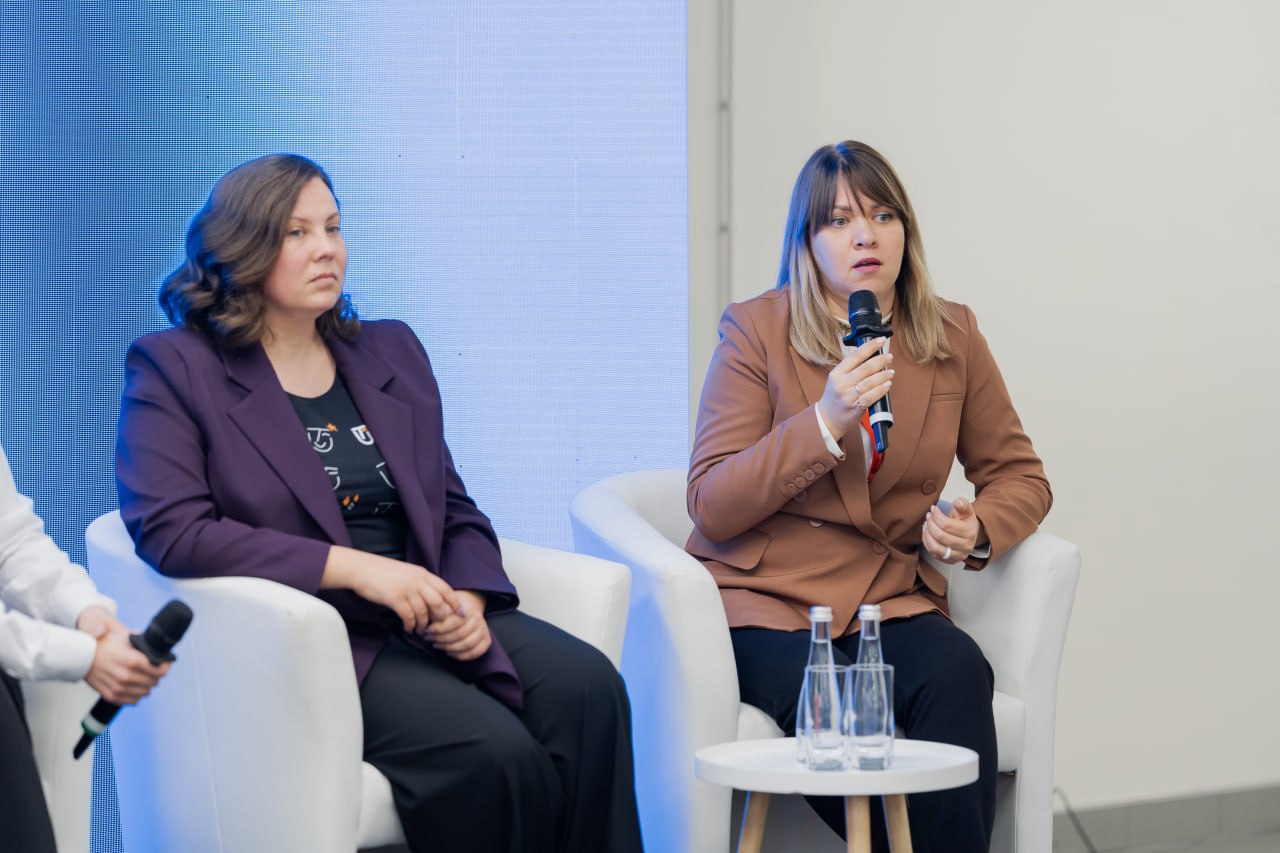 Catch-up Classes and Supporting Children During the War: “Responsible Citizens” Experience at the National Forum
The Coordinator of Educational Projects at the NGO “Responsible Citizens,” Olena Bieloliptseva, took part in the III Annual Strategic Forum on Addressing Learning Losses, organized by “Teach For Ukraine” with the support of the Ministry of Education and Science of Ukraine.