
NGO Responsible Citizens conducted an evacuation survey in Donetsk region
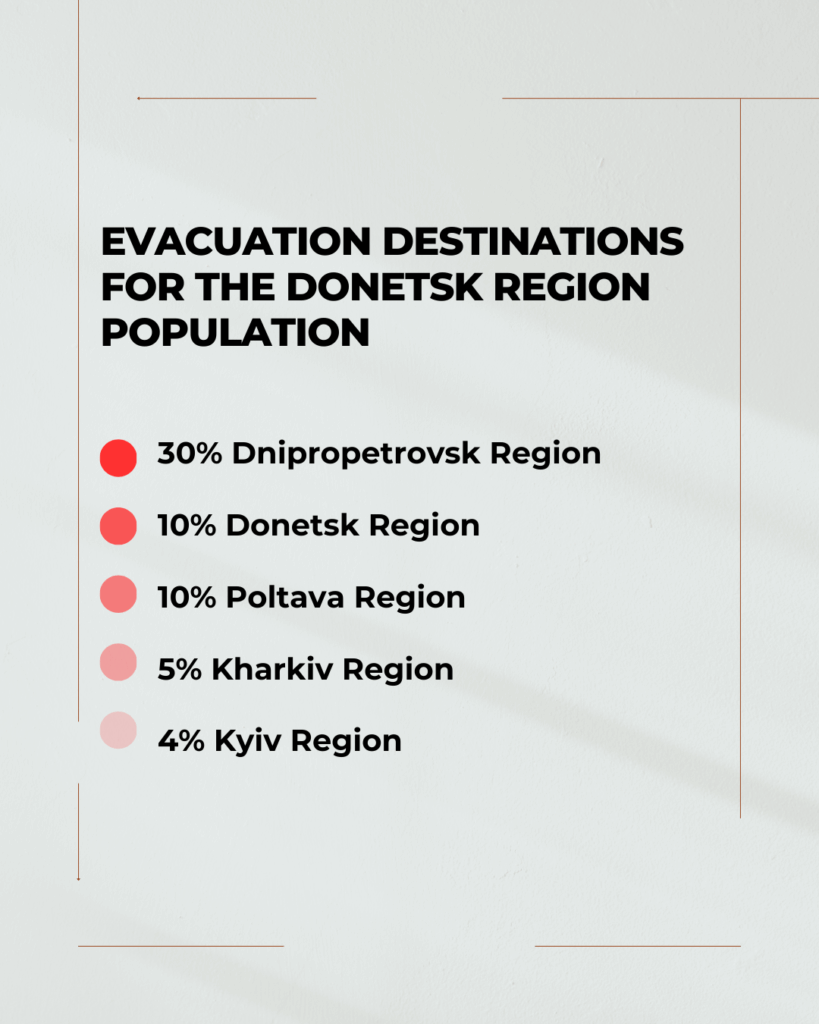
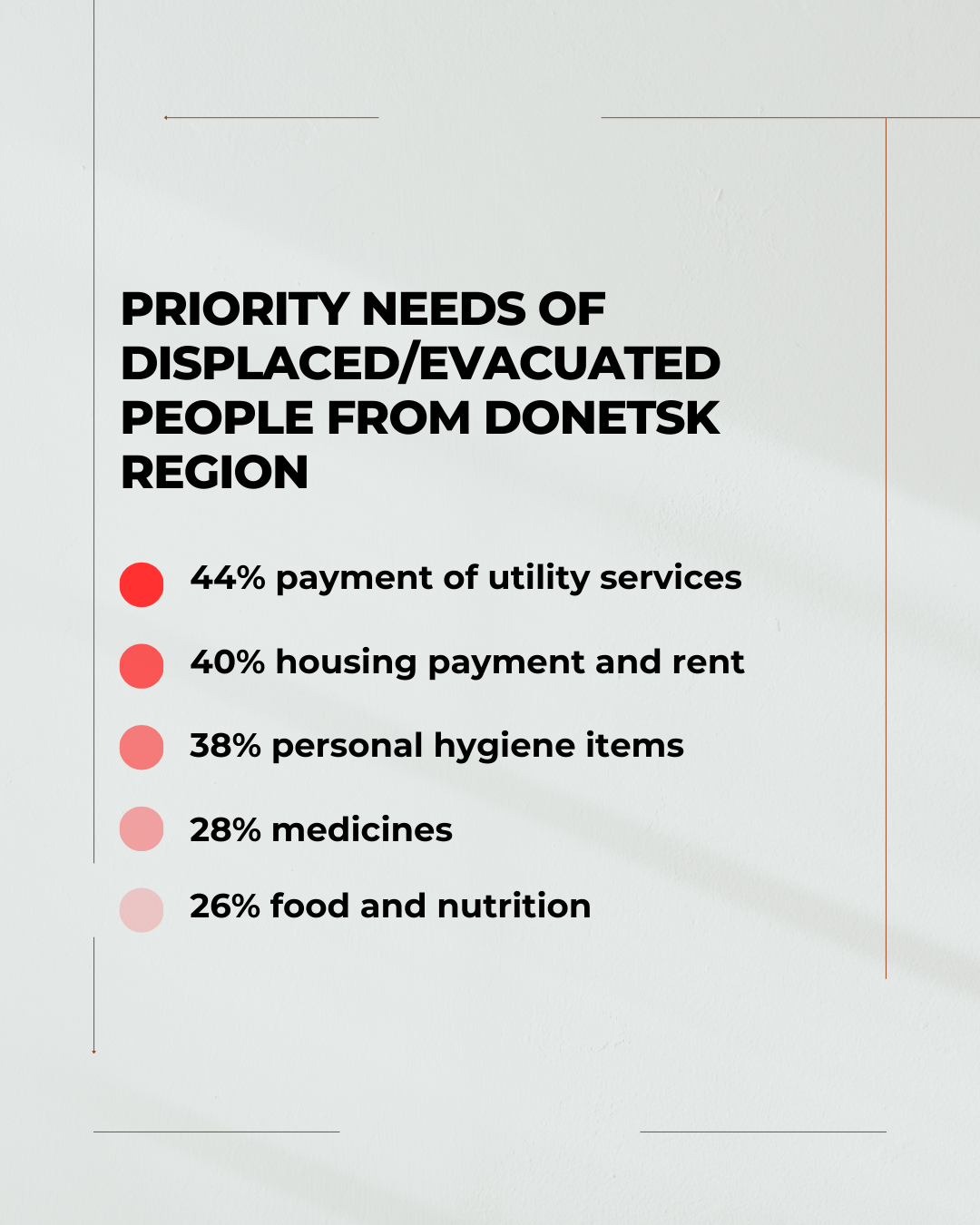
NGO Responsible Citizens surveyed 1,004 people in Donetsk region to better understand the scale of displacement and current humanitarian needs. Such studies help to plan actions that address the challenges families face every day.
📊 Key findings:
- 56% of respondents have recently relocated;
- most people moved to Dnipropetrovsk (30%) and Poltava (10%) regions, as well as within Donetsk region itself (10%). Among departure communities, the largest share came from Dobropillia (38%), Bilozerske (20%), Kryvyi Rih (12%) and Druzhkivka (10%);
- 63% relocated using their own transport, 18% with support from volunteers and NGOs;
- 78% of all respondents need humanitarian assistance; among those who relocated, this figure rises to 84%;
- Main needs: housing and utilities payments, food, hygiene products and medicines.
- Social profile: 95% of respondents are women, 83% are raising children, and the largest age group is 36–55 years.
“We base our work on data and facts. Such research helps us understand exactly where support is needed and in what form. It is the foundation for strategic decisions, new partnerships, and long-term programs. Our mission is to provide assistance where it is critically needed and to help communities remain resilient in the most difficult times,” — emphasized Olga Kosse, Head of the of NGO Responsible Citizens.
We continue working to ensure that humanitarian assistance remains timely, targeted, and effective.
Більше новин
-
 How social assistance changes lives: the story of Yulia’s family from Kryvyi Rih
“We needed this psychological support because there were issues we didn’t know how to handle or resolve on our own,” Yulia admits. UNICEF’s support became a lifeline for the family during their toughest moments.
-
 Join our training: addressing individual needs and conflict prevention
The NGO “Responsible Citizens” invites you to participate in an in-person training: “Meeting Individual Needs – From a Sense of Security to Confli...
-
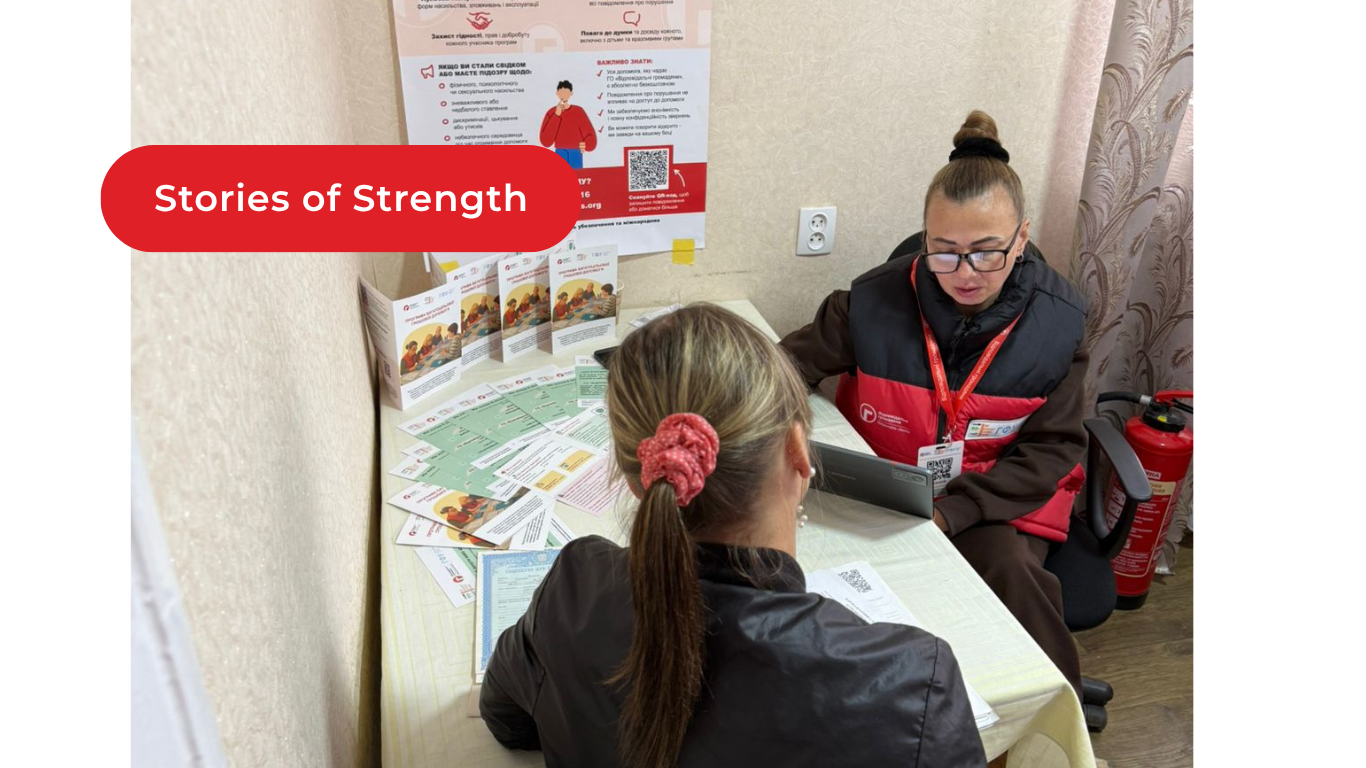 A Mother of Three from Sumy Region: How Cash Assistance Supports a Family in a Front-Line Community
The project is implemented by NGO Responsible Citizens in partnership with JERU — Joint Emergency Response in Ukraine — a joint initiative of Welthungerhilfe and Concern Worldwide, with the financial support of the German Federal Foreign Office.
-
 April 4 — International day for mine awareness and assistance in mine action
Responsible Citizens NGO works systematically to ensure that mine risk education is accessible to everyone — especially to children and families living in frontline areas. We firmly believe: knowledge saves lives. And although awareness is growing, the risks remain high. That’s why we go beyond Mine Risk Awareness Week — our activities take place year-round.
-
 Where risks increase — we strengthen our presence
In eastern Ukraine, especially in frontline areas of Donetsk region, shelling is intensifying and civilian infrastructure is being heavily damaged. Under these conditions, mobile teams from the NGO Responsible Citizens are working directly in affected communities, offering comprehensive support to those who need it most.
-
 Training on the development of family-based care held in Zaporizhzhia
The NGO Responsible Citizens, in partnership with the Zaporizhzhia Regional Center for Social Services, within the UNICEF Ukraine project, conducted training for representatives of social services from communities in the Zaporizhzhia region on the topic of creating and developing family-based care.
-
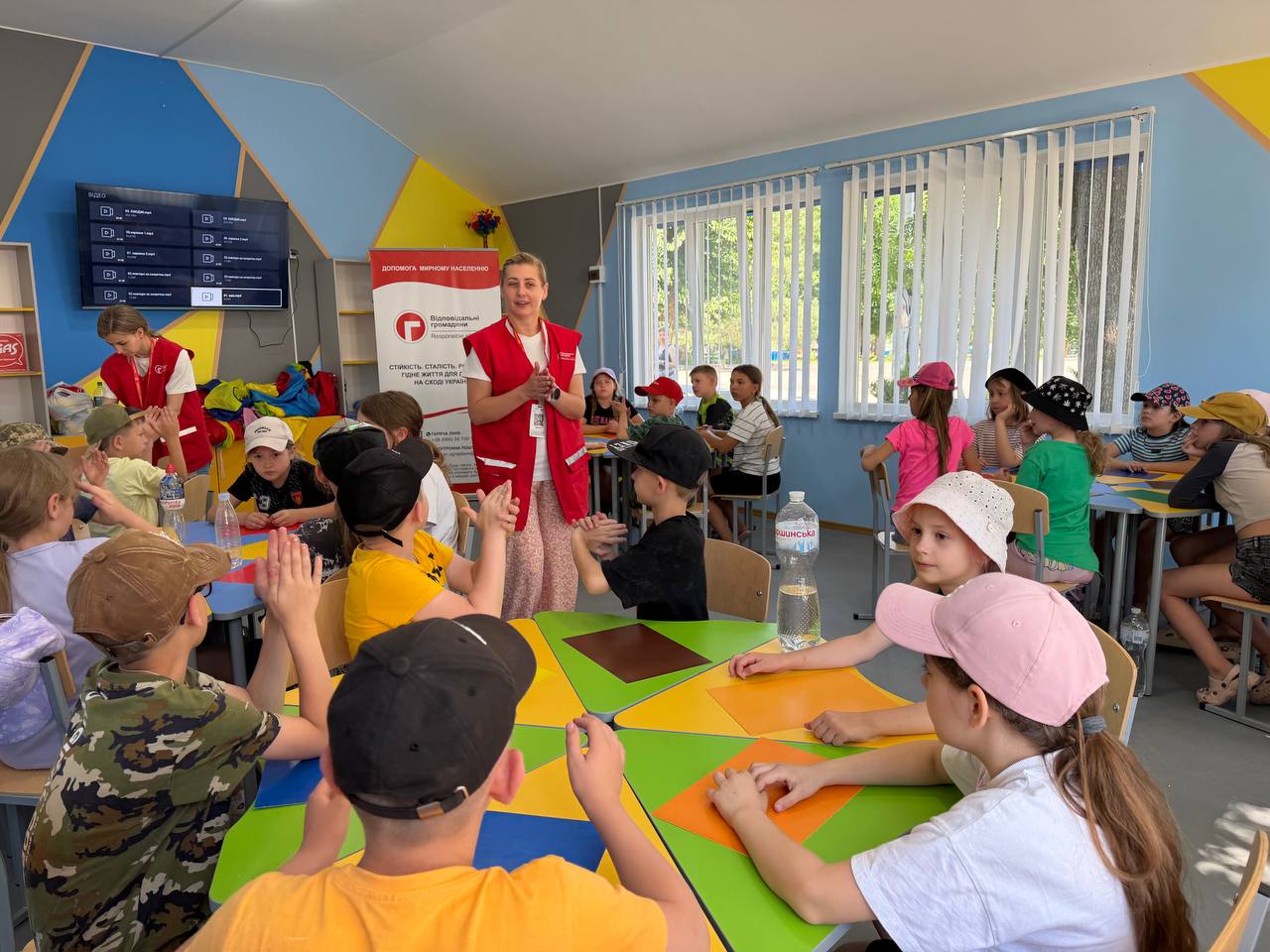 The team of facilitators and psychologists from Responsible Citizens NGO in Kryvyi Rih has joined a summer camp for children
The support is being provided within the framework of the UNICEF project “Protection Services for the Most Vulnerable Children and Parents (or Their Caregivers) in Communities of Donetsk, Dnipropetrovsk and Zaporizhzhia Oblasts”, implemented by Responsible Citizens NGO with financial support from the United States Government and UNICEF.
-
 “We appreciate that the financial assistance came just 10 days after the application,” says Yulia Limar, a resident of Kehychivka in the Kharkiv region.
Kehychivka is a small village in the Kharkiv region with nearly 5,000 residents. It is located approximately 2 hours by car from both Kharkiv and Poltava. This is w...