
“After shelling, people forget even their loved ones’ phone numbers. Our job is to help them regain stability.”
When a missile or drone hits a residential building, it may seem that the worst is already over. In reality, however, the hardest part often begins after the explosion—shock, disorientation, and the loss of a sense of safety. It is at this moment that the mobile teams of the NGO Responsible Citizens deploy to support people in the Dnipropetrovsk, Donetsk, and Zaporizhzhia regions.
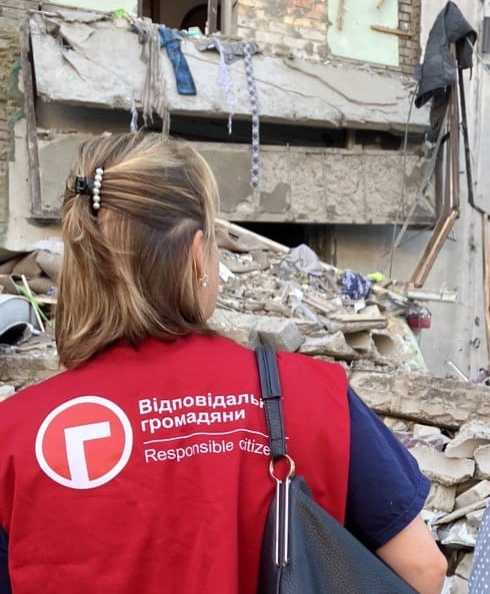
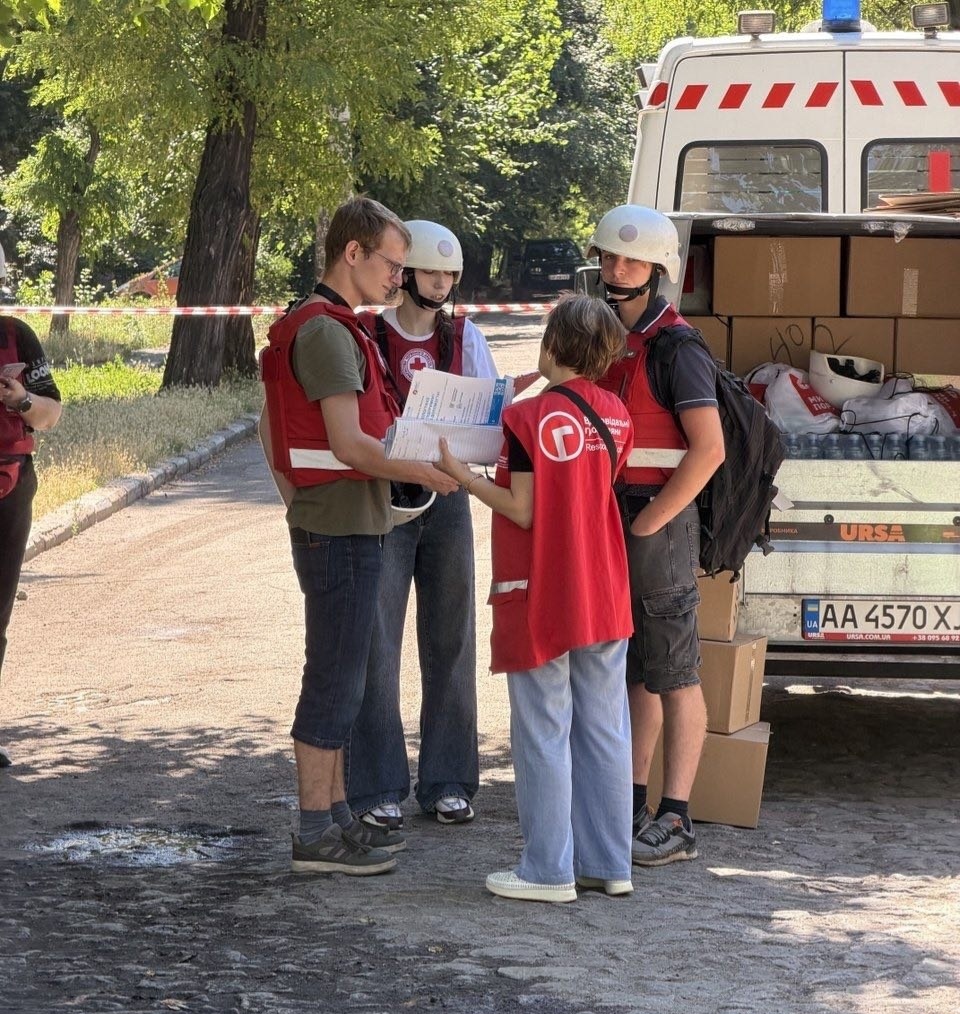
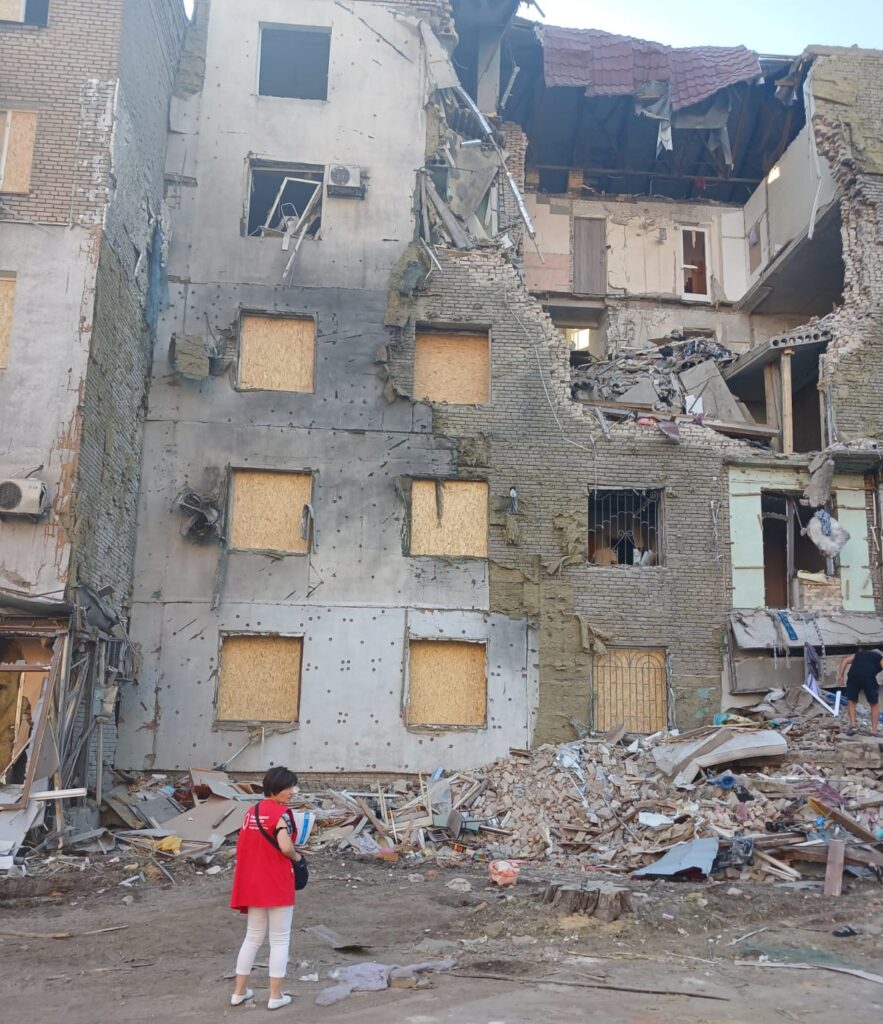
“People are in such a state of shock that they may forget even the phone numbers of their loved ones, emergency medical services, or rescuers. It seems that an adult should know what to do, but at that moment, it is as if their memory simply shuts down. They become completely disoriented,” says Nataliia, a social worker with a mobile team.
Since February this year, she has been responding alongside a psychologist to the sites of attacks on residential buildings in Zaporizhzhia. Nataliia explains that the role of the mobile team is not only to assess the needs of those affected but also to help people regain a sense of control over the situation.
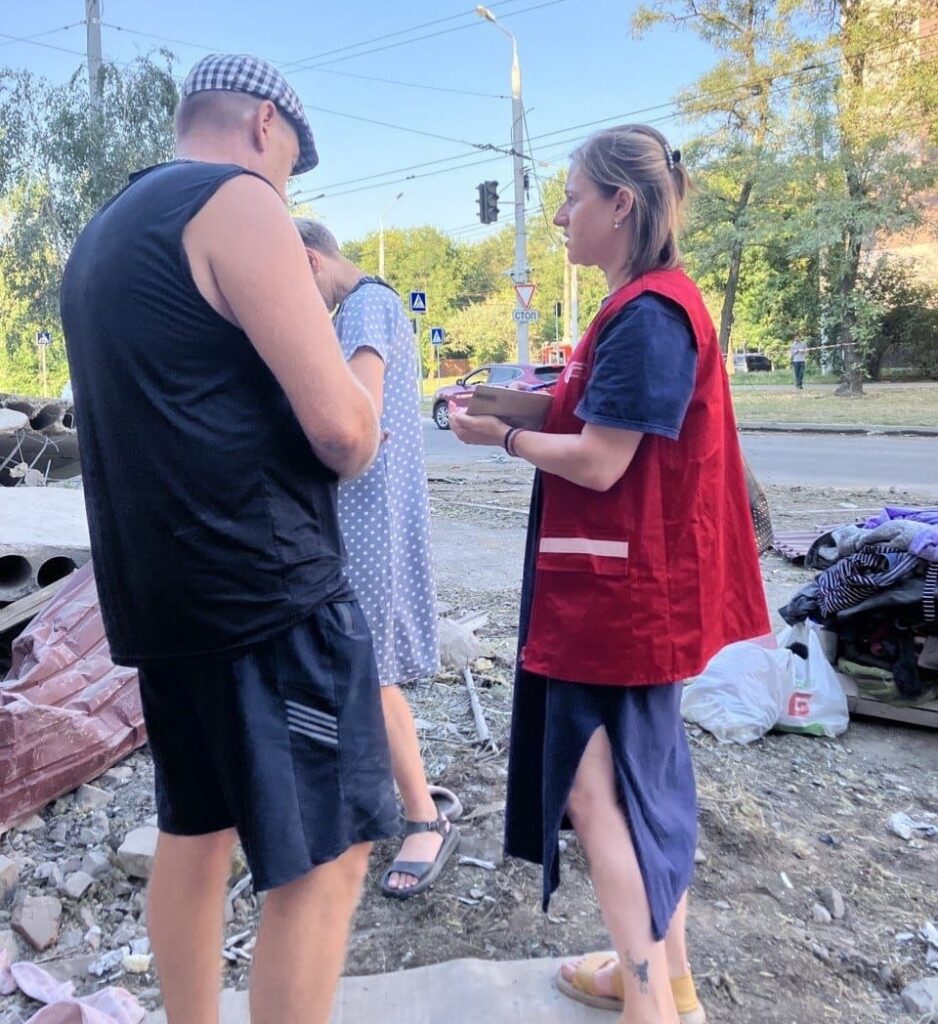
“We introduce ourselves and explain that we are there and ready to help. If needed, we provide water, help people locate their relatives, and coordinate with other services. The psychologist works with the person’s emotional state, while I gather information about the family’s needs, especially if children have been affected.”
The work of the mobile team does not end after the initial contact. The specialists help people access the support they need, connect them with relevant professionals, or arrange legal assistance. Psychologists work with children and parents, while social workers continue supporting families for as long as necessary.
According to Nataliia, every deployment carries a different human story. The one that has stayed with her the most was a woman sitting beside the ruins of a house where people were trapped under the rubble.
“The strike hit the house directly. There were hardly any walls left standing. The woman was sitting there, staring into the distance. We approached her, gave her some water, and began helping her come out of that state by talking to her. She told us she had a ten-year-old son. He would usually stay with his grandmother, but fortunately, that day he had remained at home. I told her, ‘There is nothing you can change here now. But your child is alone. He is only ten years old, and right now he needs you more than anyone.’ After those words, it was as though she returned to reality. She called her husband, and they immediately left to be with their son.”
Nataliia admits that it is impossible to help others without taking care of yourself. That is why the specialists regularly receive training in Psychological First Aid, self-care, and recovery.
“Our organisation provides many training sessions where we learn how to recover and manage our own emotional state after difficult deployments. We use the same techniques that we teach people—breathing exercises and grounding techniques. This helps us stay resilient and remain by people’s side when they need us most.”
Despite witnessing human suffering every day, Nataliia says it is people themselves who help her hold on to hope.
“After attacks, we see neighbours helping one another and strangers supporting those around them. It reminds us that even in the darkest moments, humanity does not disappear.”
For Nataliia, this is the core mission of the mobile teams—to support people in their darkest moments, help them regain a sense of stability, and remind them that they are not alone in facing their hardship.
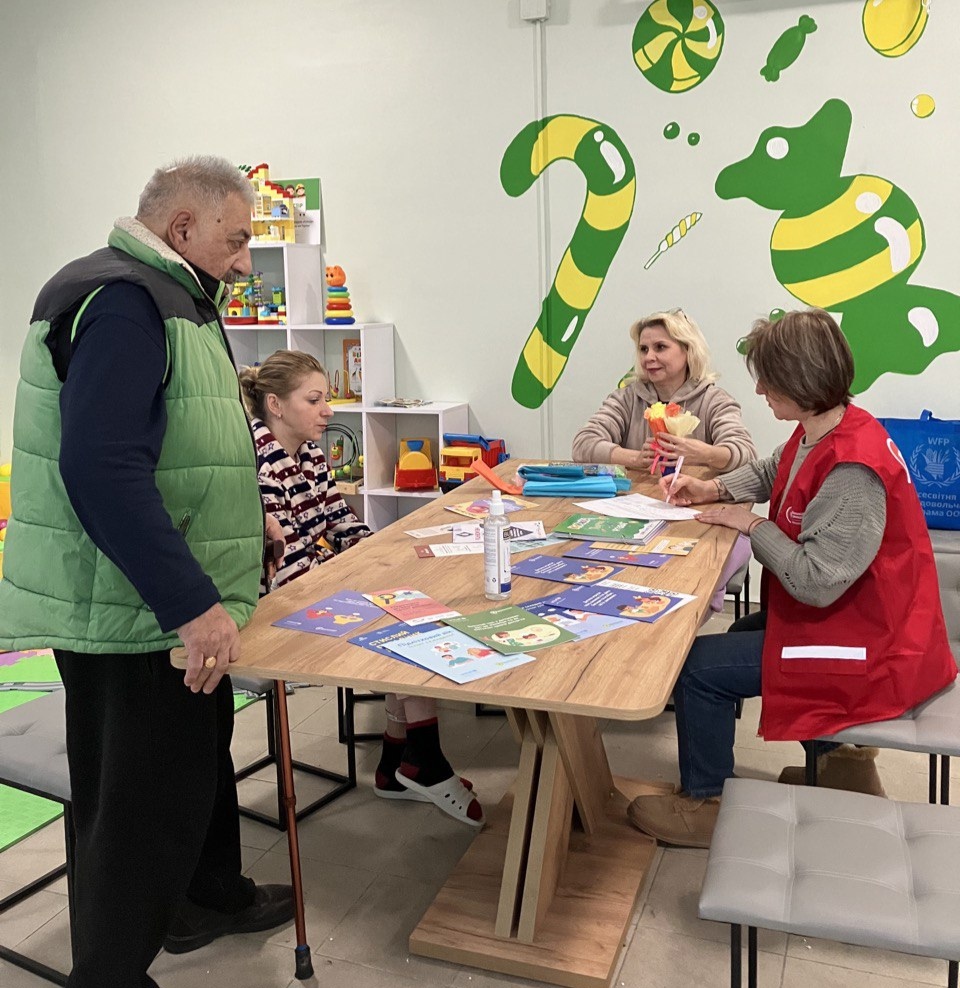
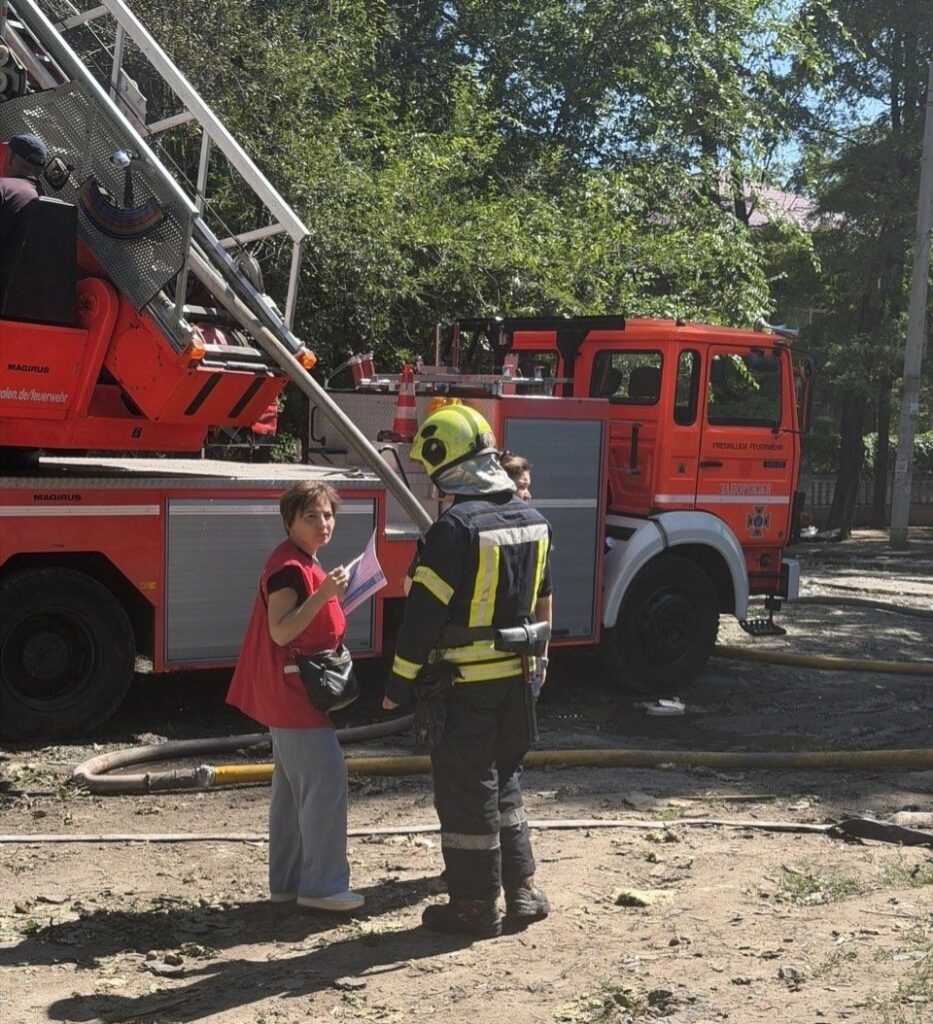
Support is provided within the framework of the UNICEF project “Protection Services for the Most Vulnerable Children and Parents (or Their Caregivers) in the Communities of Donetsk, Dnipropetrovsk, and Zaporizhzhia Regions,” implemented by the NGO Responsible Citizens with financial support from the United States Government and UNICEF.
If you or your child need psychosocial support, please call the hotline at +380 66 567 00 16
(hotline hours: Mon–Fri, 9:00 a.m.–6:00 p.m.)
Більше новин
-
 ‘Responsible Citizens’ Board Head joins mental health events led by Olena Zelenska
Olga Kosse participated in events dedicated to World Mental Health Day in Kyiv.
-
 In the Kharkiv region, teachers are learning tools to support children as part of an educational project
In the Kharkiv region, the educational project led by the NGO “Responsible Citizens” in partnership with the international organization Save the Children and with the support of the European Union is currently underway. As part of the project, a two-day training session was held for teachers, representatives of educational institutions, and social service professionals.
-
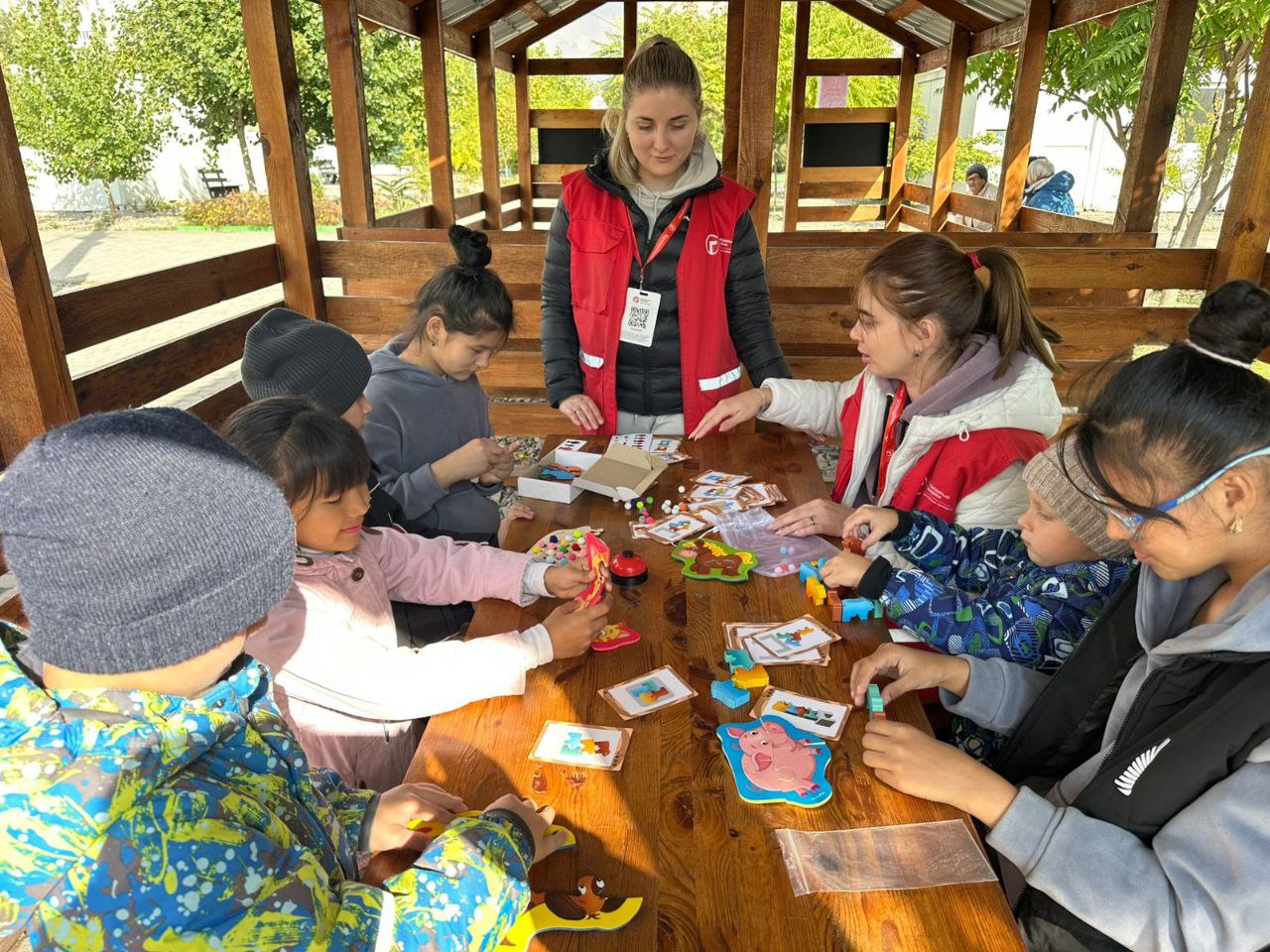 Support Nearby — from Donetsk region to a New Community
A mobile team from Dobropillia, Donetsk region, continues to help internally displaced people even after they move to safer communities.
-
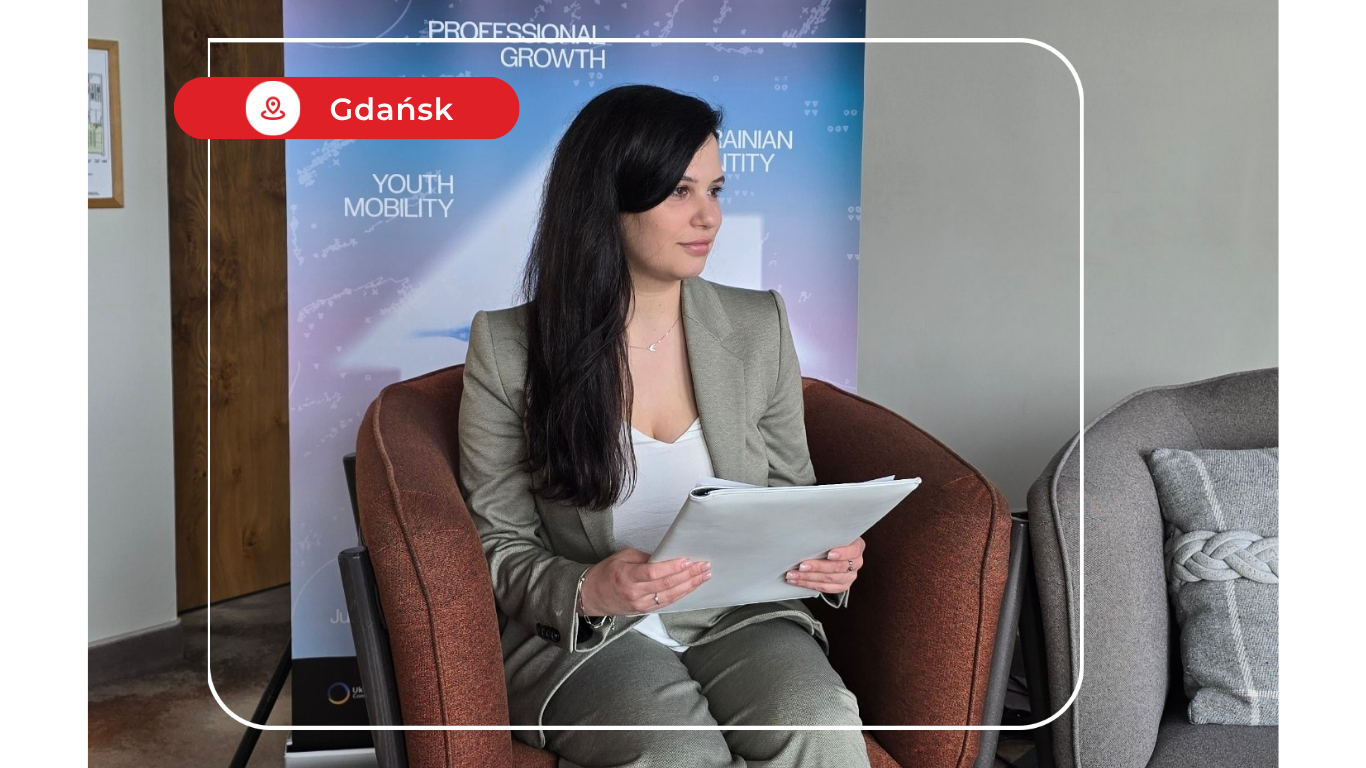 URC 2026: Why Young People Must Be Part of Ukraine’s Recovery Decisions
For our organisation, such platforms are a continuation of our daily work in communities living in the context of war, displacement and protracted crises. It is there that the understanding of the key shift we are discussing at URC is formed: young people can no longer be seen only as recipients of support — they are already part of the solutions that shape community recovery.
-
 Where My Child Blossoms: How the Child-Friendly Space Is Changing Lives
Oksana from Kryvyi Rih is 17 years old. Every day, she and her mother, Maryna, spend nearly two hours traveling to reach their favorite Child-Friendly Space — and the same amount of time to get back home. Our Child-Friendly Spaces operate within the UNICEF Ukraine project
-
 “People Must Be at the Center of Recovery”: Enrique Menendez on New Approaches to Supporting Communities
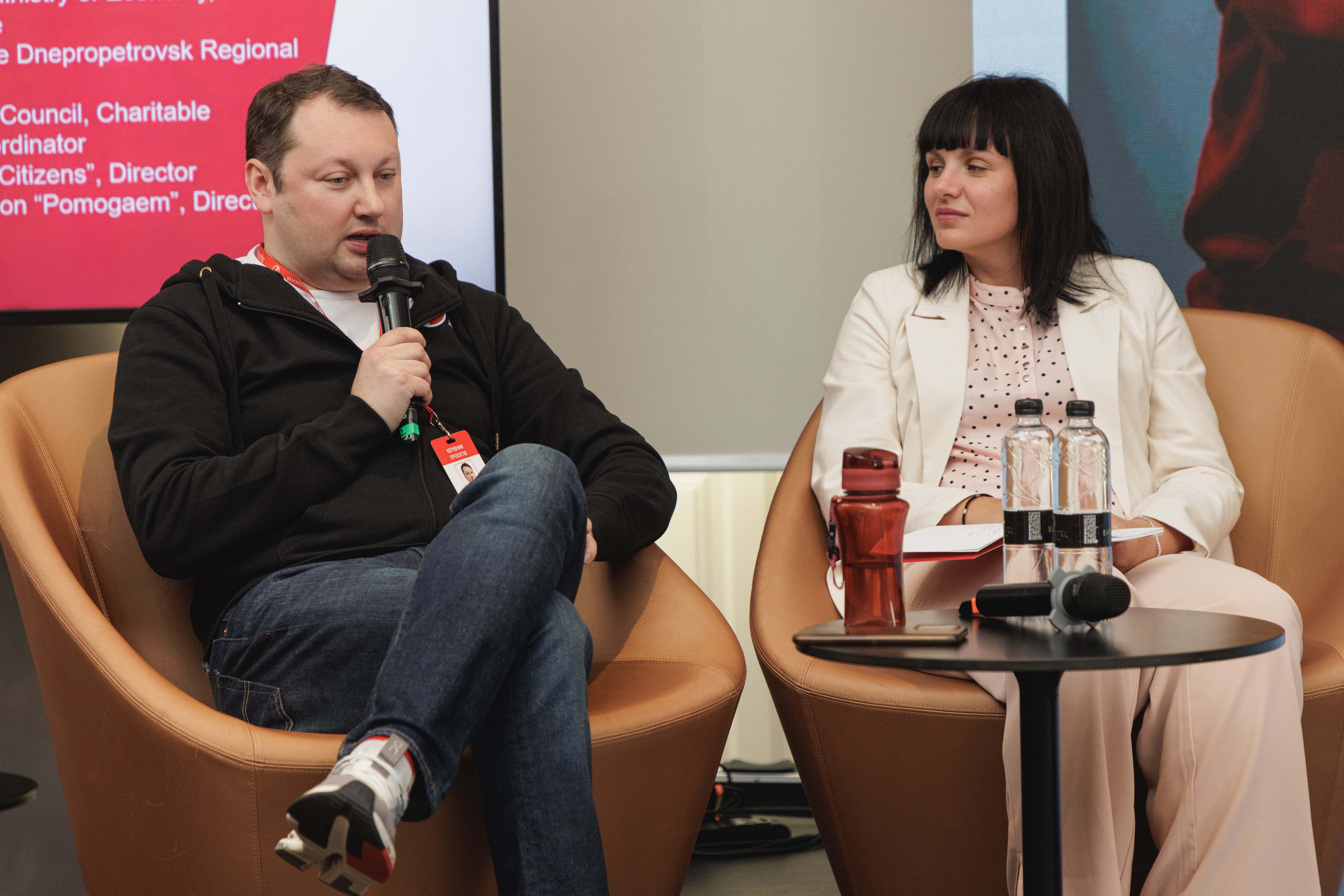
The Director of Projects and Programs of the NGO Responsible Citizens took part in the event “United for Recovery: A Resilient Civil Society — a Strong Ukraine” held in Lviv and organized by our partners from Mercy Corps.
-
 Support in the frontline zone: Psychologists and specialists help families persevere
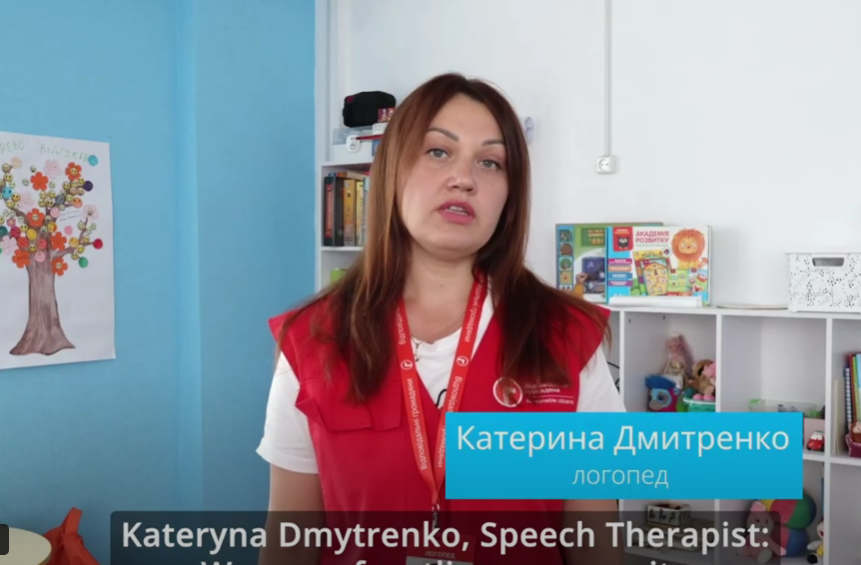
In the frontline Malynivka community, war impacts every aspect of life, but the strength of unity and support helps children and families overcome challenges. The Child-Friendly Space, created with UNICEF Ukraine’s support, becomes a hub of hope and development.
-
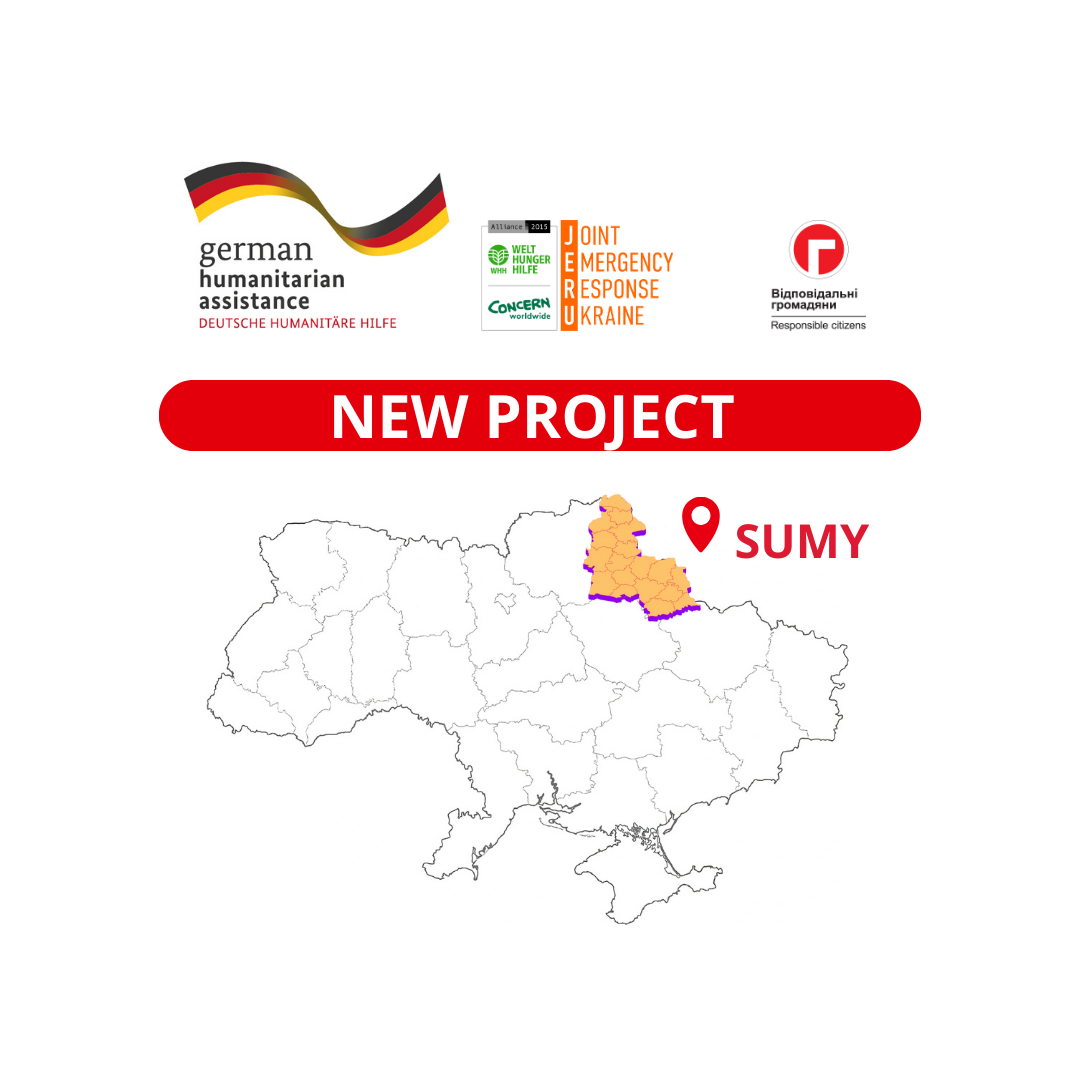 Responsible Citizens NGO is launching activities within the framework of a new partnership with JERU – a joint initiative of the international organizations Welthungerhilfe and Concern Worldwide
The project is funded by the Federal Foreign Office of Germany and implemented in Sumy region.