
We are conducting innovative classes to help children with special educational needs catch up with the school curriculum
Since the beginning of September, the NGO “Responsible Citizens” has been implementing a project in the communities of the Dnipropetrovsk region aimed at helping students make up for educational losses. This concerns children who, due to displacement, blackouts, and the escalation of hostilities, have not been able to fully attend classes. In this project, we also had the opportunity to assist children with special needs.
“We received a huge request from parents to organize corrective classes. In discussions with specialists and experts, we came up with the idea to combine the main subject teacher with a speech therapist during lessons. We formed 10 groups of younger and middle school-aged children, in which we combine additional classes on core subjects with corrective exercises and provide children with the opportunity to overcome psychological barriers in communication, along with speech therapy specialists. After two months of work, we have received extremely positive feedback and gratitude from parents, as well as feedback from teachers, who emphasize that these intensive classes are exceptionally beneficial for the child’s development,” says the Head of Educational Programs at “Responsible Citizens,” Olena Byelolipceva.
This project is being implemented by the NGO “Responsible Citizens” with the support of the Government of the Faroe Islands.
Currently, we are building expert experience in using our innovative teaching technology and inviting colleagues to share their experiences, ideas, and suggestions, so that we can expand our educational practices to all interested educational institutions in the future.


Більше новин
-
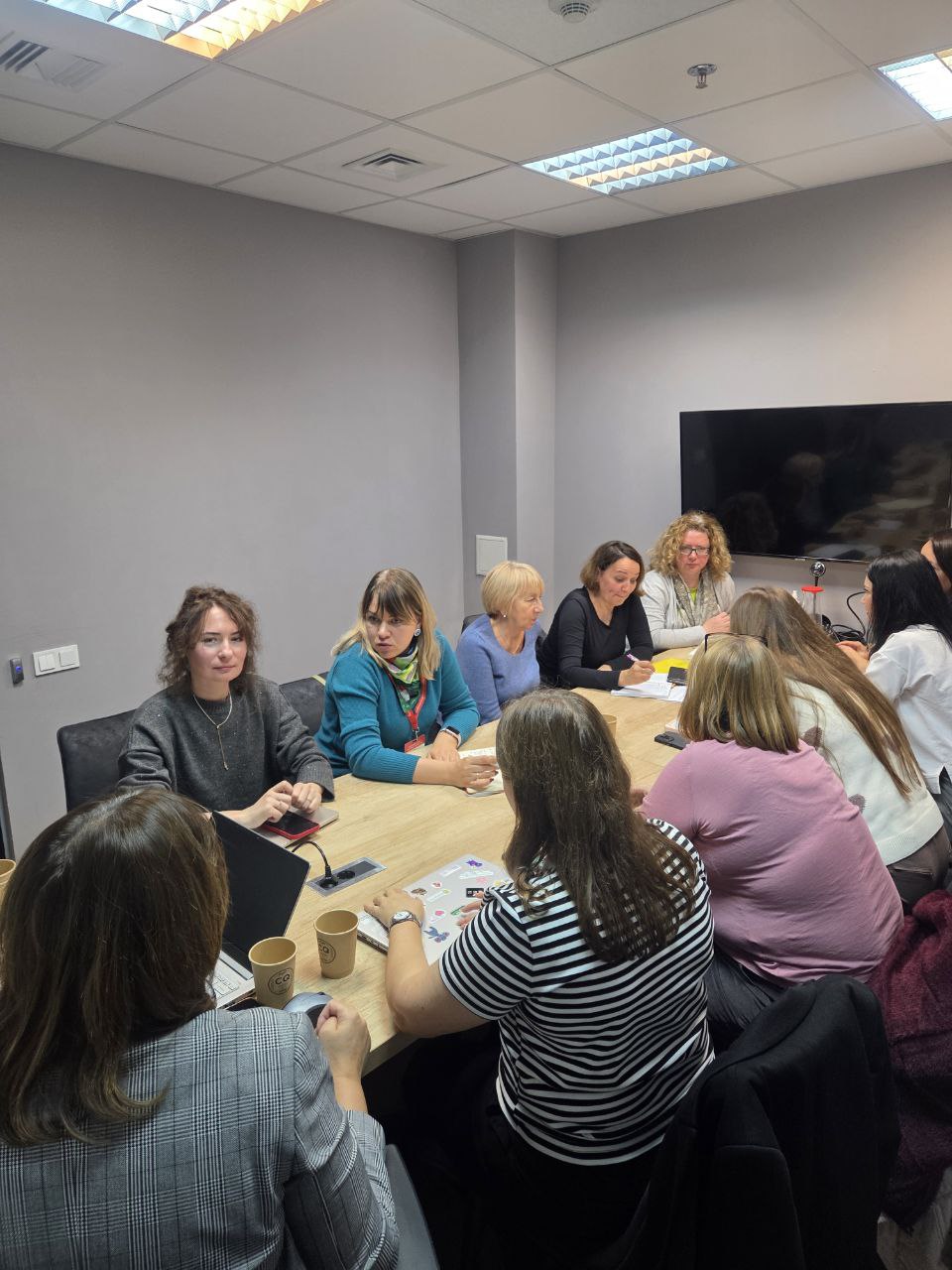 Strengthening Support for Family-Based Care
Olena Bieloliptseva, Education Projects Coordinator at the NGO Responsible Citizens, took part in the inaugural meeting of the Coordination Center for the Development of Family-Based Upbringing and Child Care.
-
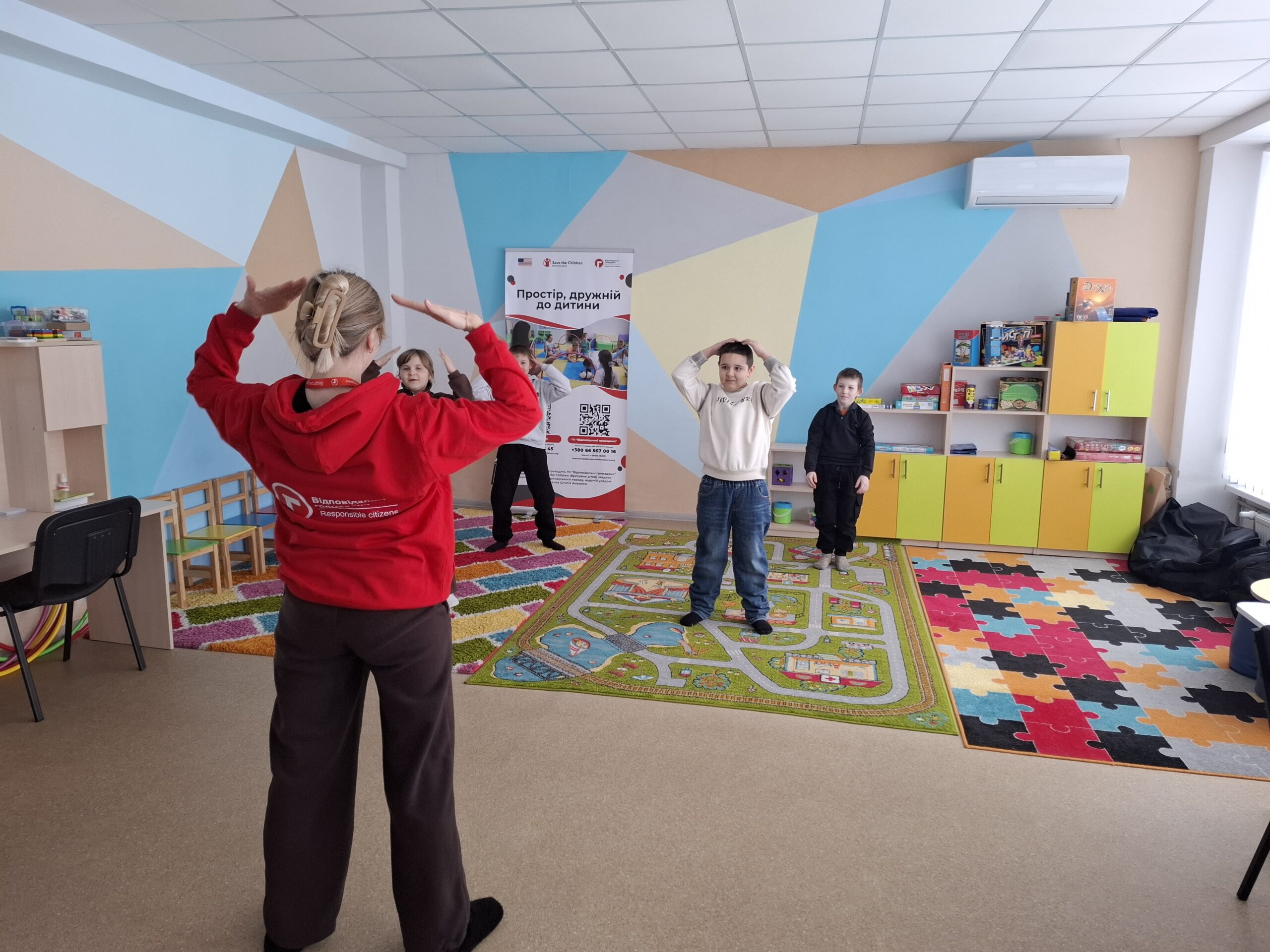 More Than 9,000 Children and Adults Received Support Through a UNICEF Ukraine Project in Communities Across Eastern Ukraine
The project is being implemented by Responsible Citizens NGO with financial support from UNICEF and the Government of the United States.
-
 How we support displaced individuals in Kharkiv oblast
Since the onset of the conflict in 2022, many families in Kharkiv Oblast have been forced to leave their homes. For them, life has become a series of challenges and...
-
 “Children are regaining their motivation to learn,” says a history teacher from Kryvyi Rih
In September, catch-up classes were launched in communities in the Dnipropetrovsk region to help students recover from learning losses.
-
 Dnipropetrovsk region: Systematic support for children and families in a frontline area
The teams of the NGO Responsible Citizens work in areas where the social burden increases every day. This is where Child-Friendly Spaces and mobile psychosocial support teams operate most actively. In the first half of 2025, nearly 10,000 children and their families received professional support.
-
 The strength of family in times of trial: four stories for International Day of Families
Their experiences also highlight the importance of the support provided by the team at the NGO “Responsible Citizens” in partnership with UNICEF.
-
 New Child-Friendly Spaces open in Kharkiv Region
In January, new Child-Friendly Spaces began operating in Malynivska, Solonytsivska, Pivdenna, Zachepylivska, and Sakhnovshchynska communities. This marks an important milestone in the implementation of a joint project between the NGO "Responsible Citizens" and UNICEF Ukraine, funded by USAID - US Agency for International Development.
-
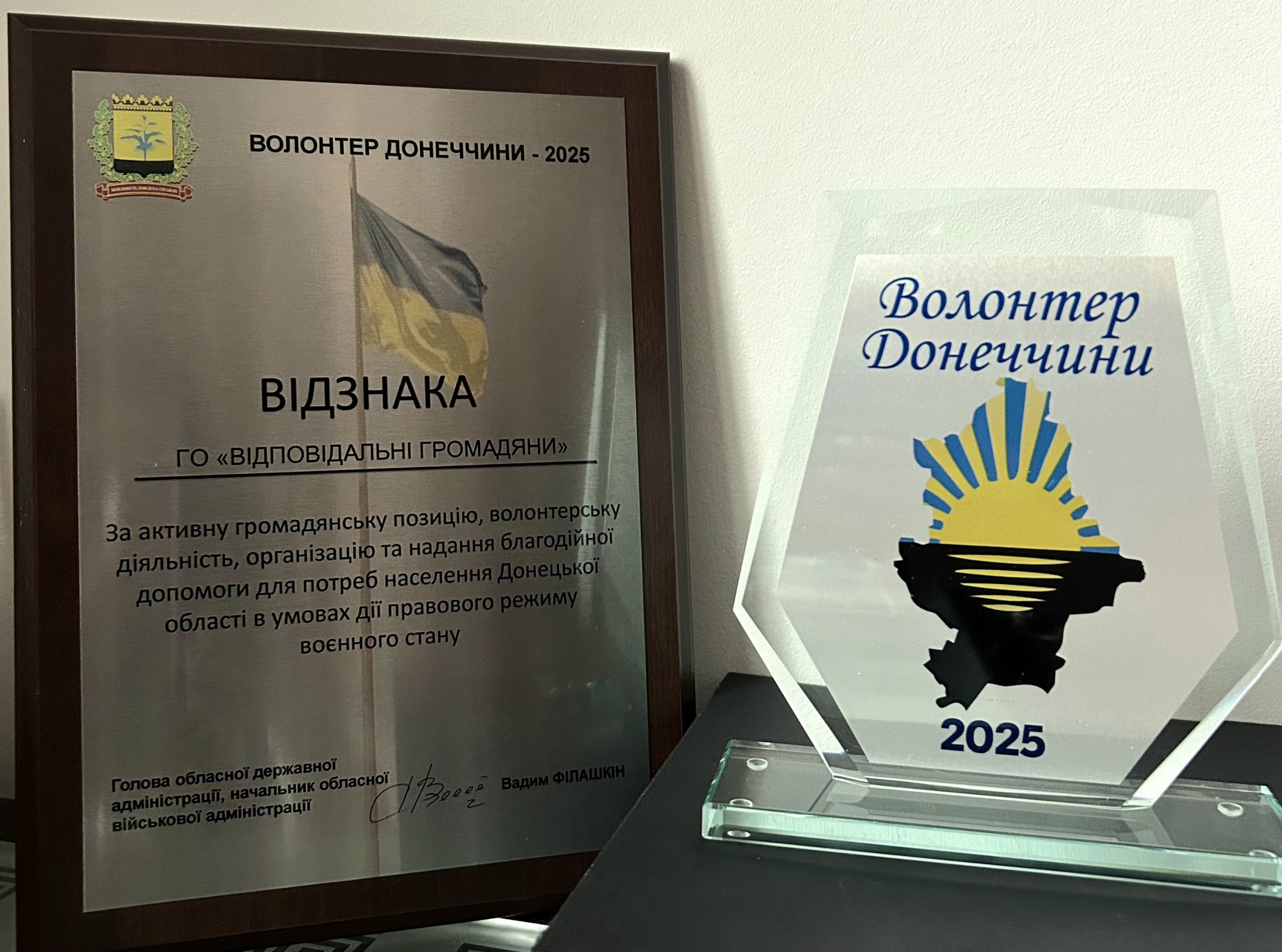 NGO “Responsible Citizens” became the winner in the nomination “Light of Knowledge: Charity in the Name of the Future” at the forum “Donetsk Region 2025: A Look into the Future.”
The forum became an important platform for strengthening dialogue between the state, local authorities, and the civic sector.