
Training сompleted for the new team of Zaporizhzhia’s first resilience center
A community grows stronger when each of its members has access to quality support. In the context of ongoing humanitarian challenges, the role of professionals who help people overcome difficulties, tap into inner resources, and build strong social bonds becomes crucial.
That’s why a series of training sessions is being held in Zaporizhzhia for the team of the new Resilience Center — the city’s first — as well as for local social workers aiming to strengthen their skills.
“Communities are facing unprecedented challenges due to the war. Supporting the population — especially children and families in difficult circumstances — requires a comprehensive approach and highly qualified professionals. Together with UNICEF and our partners, we are working to establish Resilience Centers so that anyone in crisis can access the support, professional advice, and safe space they need. Training specialists is the foundation for these centers to work effectively, and we are glad this process is already underway. The Center will open soon,” — says Olga Kosse, Head of the Board at Responsible Citizens NGO.
The training program includes four key areas:
- Psychological First Aid in Crisis Situations
- Case Management in Social Work
- Volunteering and Leadership as the Basis for Sustainable Community Development
- Positive Parenting: Supporting Children by Strengthening Family Bonds
Throughout the training, participants explored topics from basic principles to advanced practices, working through real-life case studies and effective support strategies. A special focus was placed on emotional resilience — a vital skill for professionals often working under high stress.
The initiative is part of the project “Strengthening the Capacity of Communities to Provide Essential Protection and Resilience Services in Kharkiv, Donetsk, Dnipropetrovsk, and Zaporizhzhia regions”, implemented by Responsible Citizens with the support of UNICEF in Ukraine.


Більше новин
-
 The organization “Responsible Citizens” has joined the “Ukraine for Every Child” Manifesto
On the occasion of Universal Children’s Day, which this year marks the 35th anniversary of the Convention on the Rights of the Child, the organization “...
-
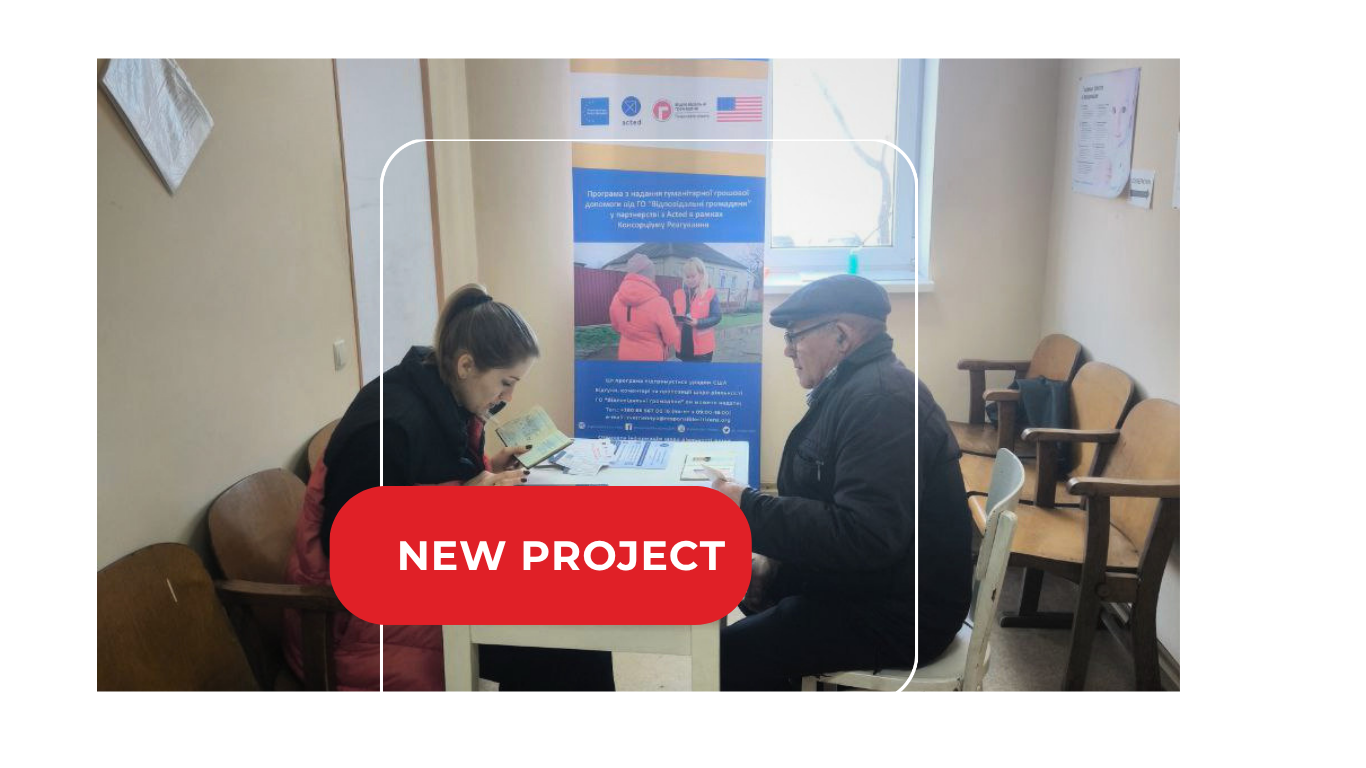 A cash assistance programme for war-affected families has been launched in three regions of Ukraine
In February 2026, Responsible Citizens NGO, in partnership with Acted and with the support of the US Government, launched a humanitarian cash assistance programme for families affected by the war in Kharkiv, Sumy, and Donetsk regions.
-
 Together to overcome the consequences of war: the story of one family from Myrnohrad
“We always kept things ready for evacuation, but making the decision was incredibly difficult. My heart couldn’t let go of our home, even when my mind u...
-
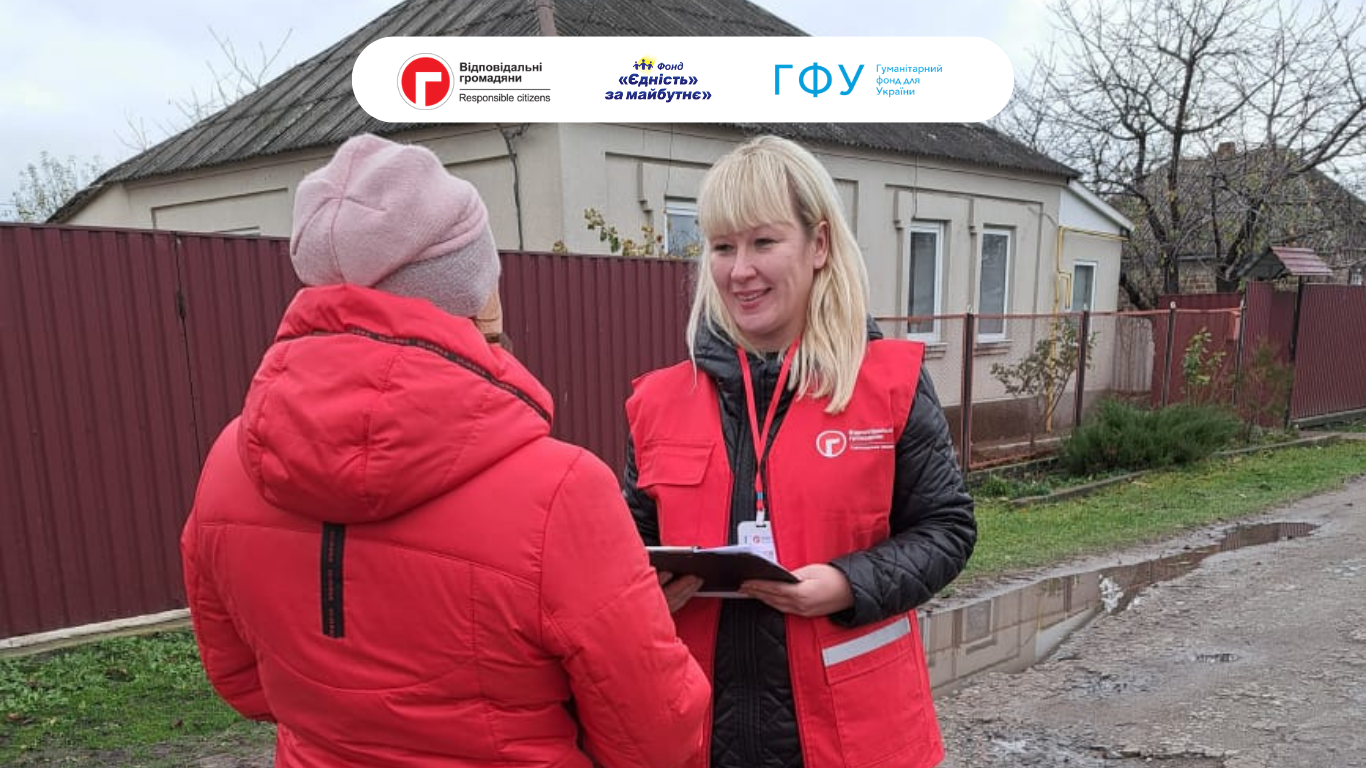 More Than 300 Families Receive Comprehensive Support in Kharkiv Region
A total of 319 families with children received comprehensive social case management support in seven communities in Kharkiv region. From October 2025 to July 2026, mobile teams of the NGO “Responsible Citizens” helped families overcome crisis situations and access the social, legal and psychological services they needed.
-
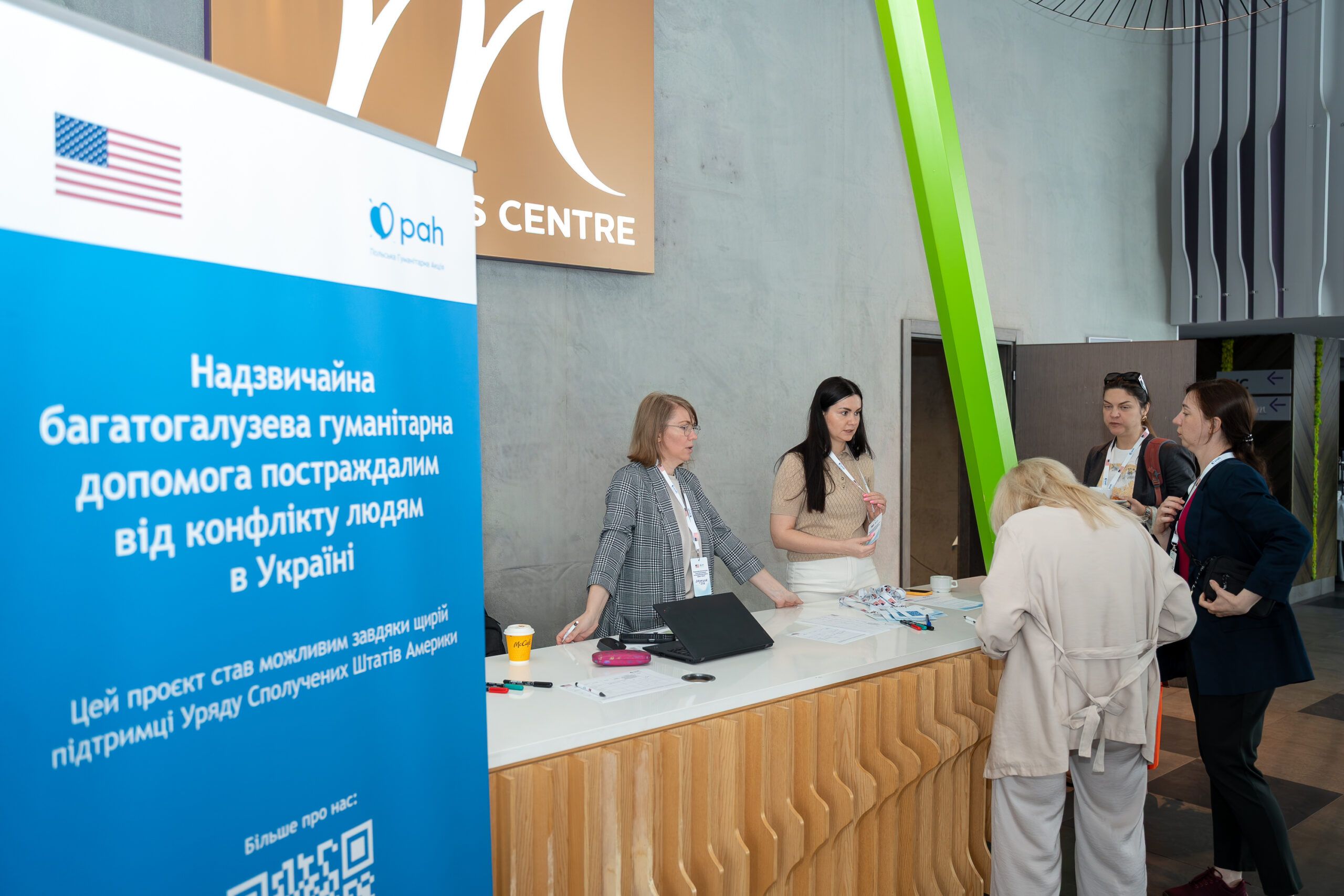 Responsible Citizens NGO joined the workshop “Humanitarian Partnership for Supporting Conflict-Affected People in Ukraine”
The event brought together 22 partner organisations of the Polish Humanitarian Action (PAH), Polska Akcja Humanitarna (PAH).
-
 Support that changes lives: Yulia’s story from Kramatorsk
Yulia had always been someone who supported others. In Kramatorsk, Donetsk region, she worked as a teacher, helping children understand the world and find their pla...
-
 Project to overcome educational gaps completed: what we achieved
NGO Responsible Citizens, in partnership with the government of the Faroe Islands, has completed a project aimed at addressing educational gaps among primary and secondary school students in Dnipropetrovsk oblast.
-
 How social assistance changes lives: the story of Yulia’s family from Kryvyi Rih
“We needed this psychological support because there were issues we didn’t know how to handle or resolve on our own,” Yulia admits. UNICEF’s support became a lifeline for the family during their toughest moments.