
Strengthening expertise in the field of protection from sexual exploitation and abuse (PSEA)
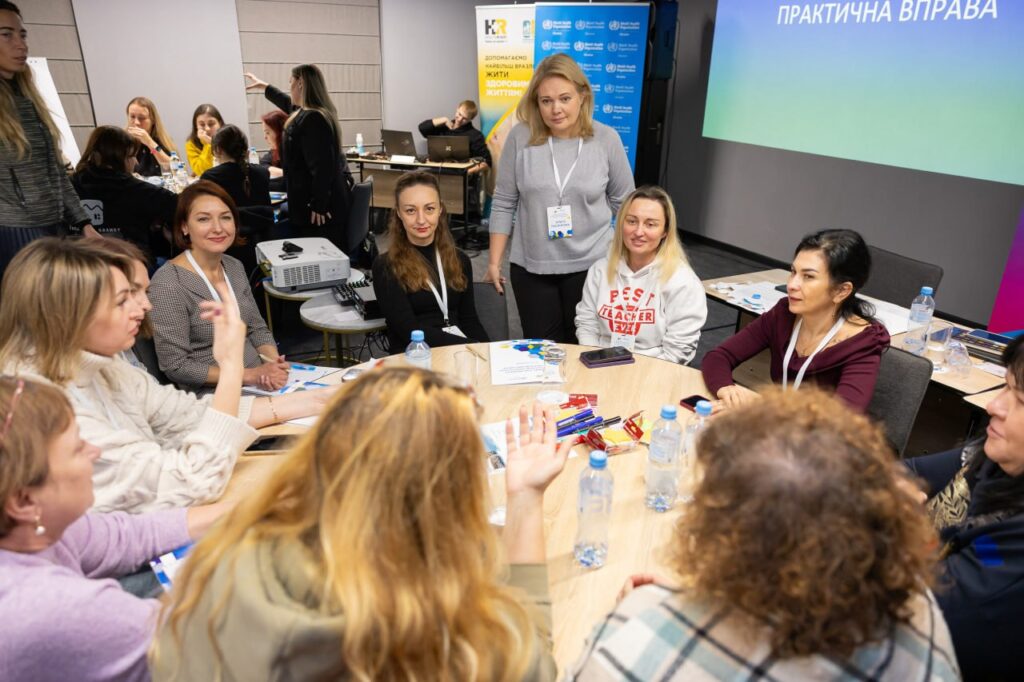
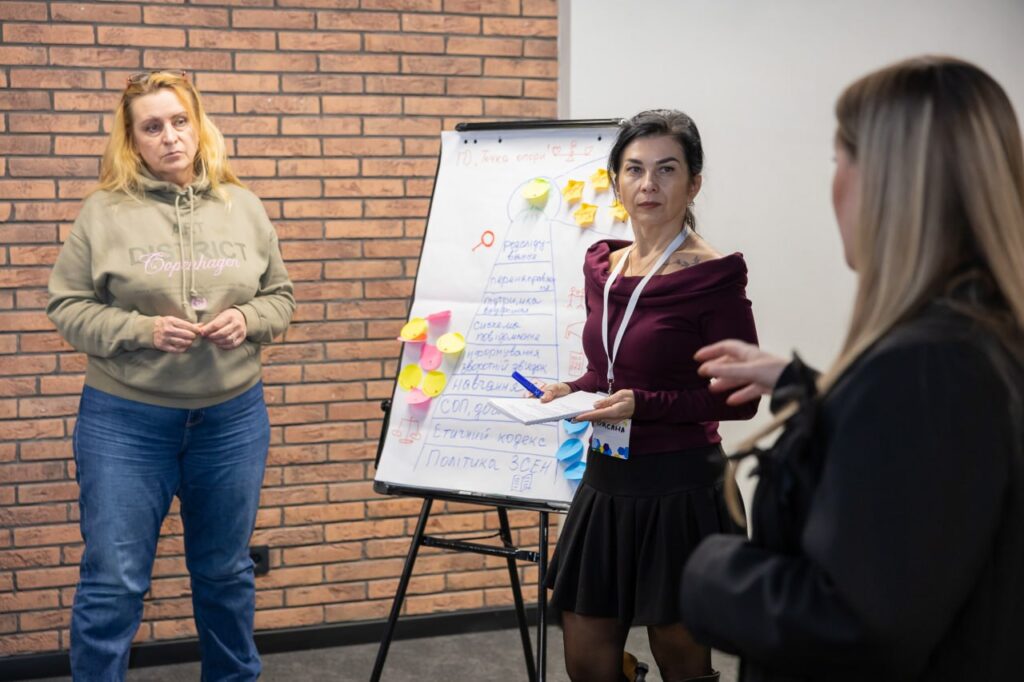
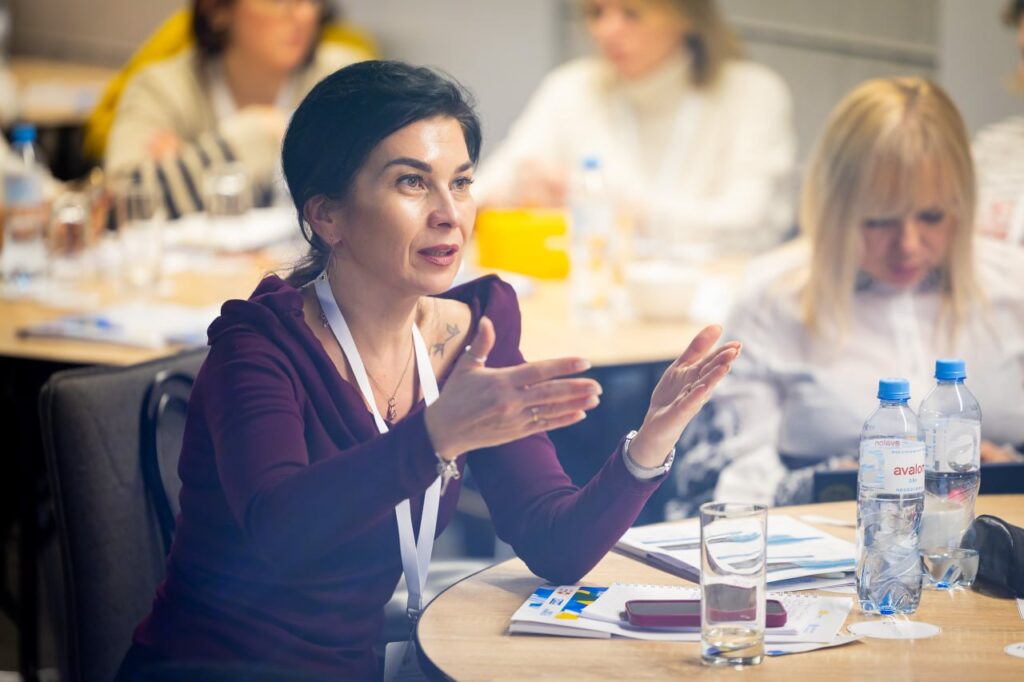
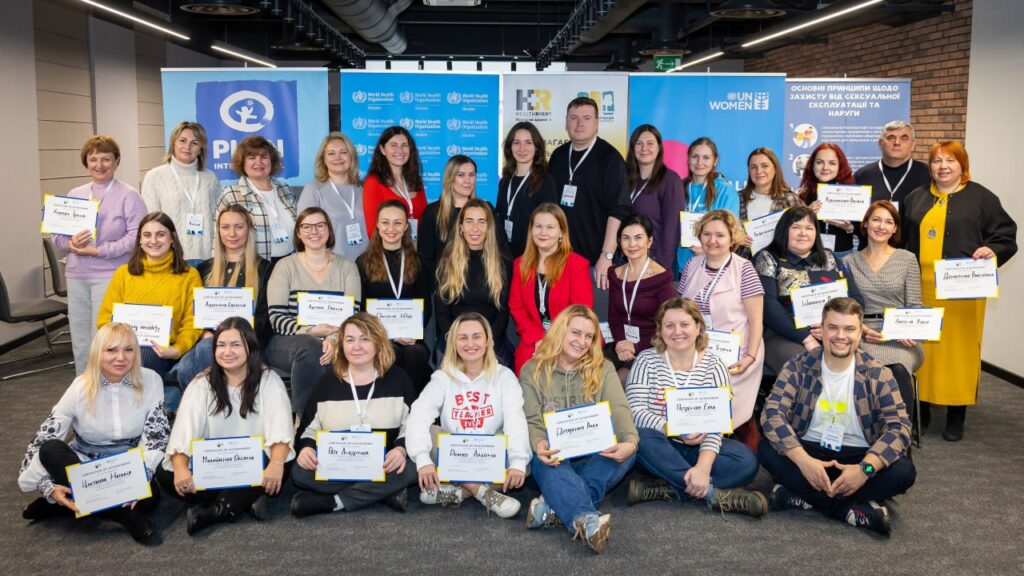
Oksana Ivatina, Project Coordinator of the NGO “Responsible Citizens,” completed a Training of Trainers on the prevention of sexual exploitation and abuse (PSEA).
During the training, the team received up-to-date methodologies and practical tools necessary for the systematic development of organizational capacity. As a result of the training, Oksana obtained a trainer’s certificate, which enables her to independently conduct training sessions for the NGO’s staff.
Today, PSEA is one of the key accountability standards in the humanitarian sector. At a time when organizations work with people who have experienced the traumatic impact of war, the creation of a safe space, trust, and respect becomes the foundation of quality engagement. That is why the knowledge gained will be integrated into internal trainings for staff members who work daily with programme participants.
“Professional growth of the team directly affects how people experience our support. When we develop our knowledge, it strengthens our mission and our work with communities,” emphasizes Oksana Ivatina.
We continue to invest in team development and to implement international standards in order to ensure a safe, ethical, and accountable environment across all programmes of the NGO “Responsible Citizens.”
Більше новин
-
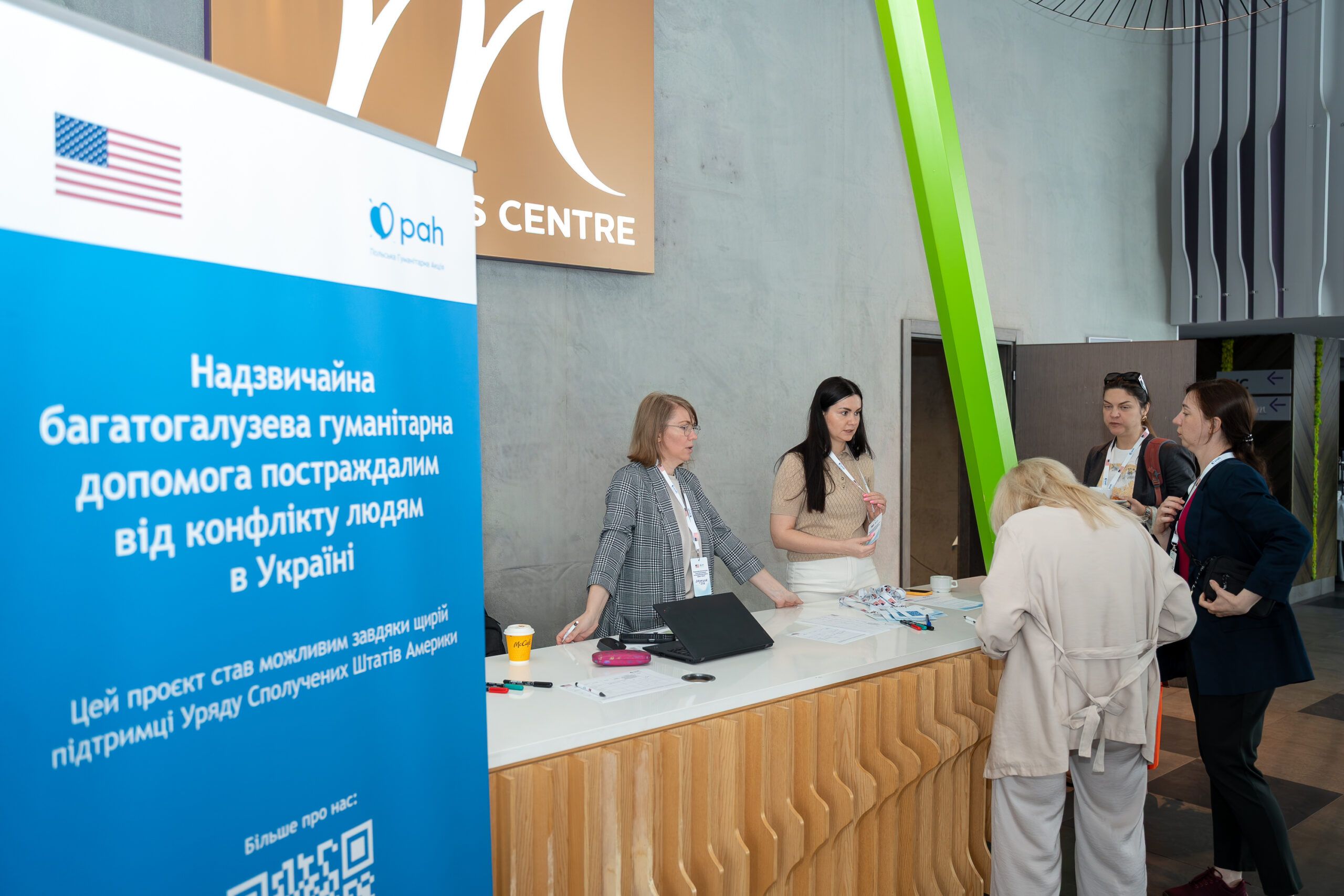 Responsible Citizens NGO joined the workshop “Humanitarian Partnership for Supporting Conflict-Affected People in Ukraine”
The event brought together 22 partner organisations of the Polish Humanitarian Action (PAH), Polska Akcja Humanitarna (PAH).
-
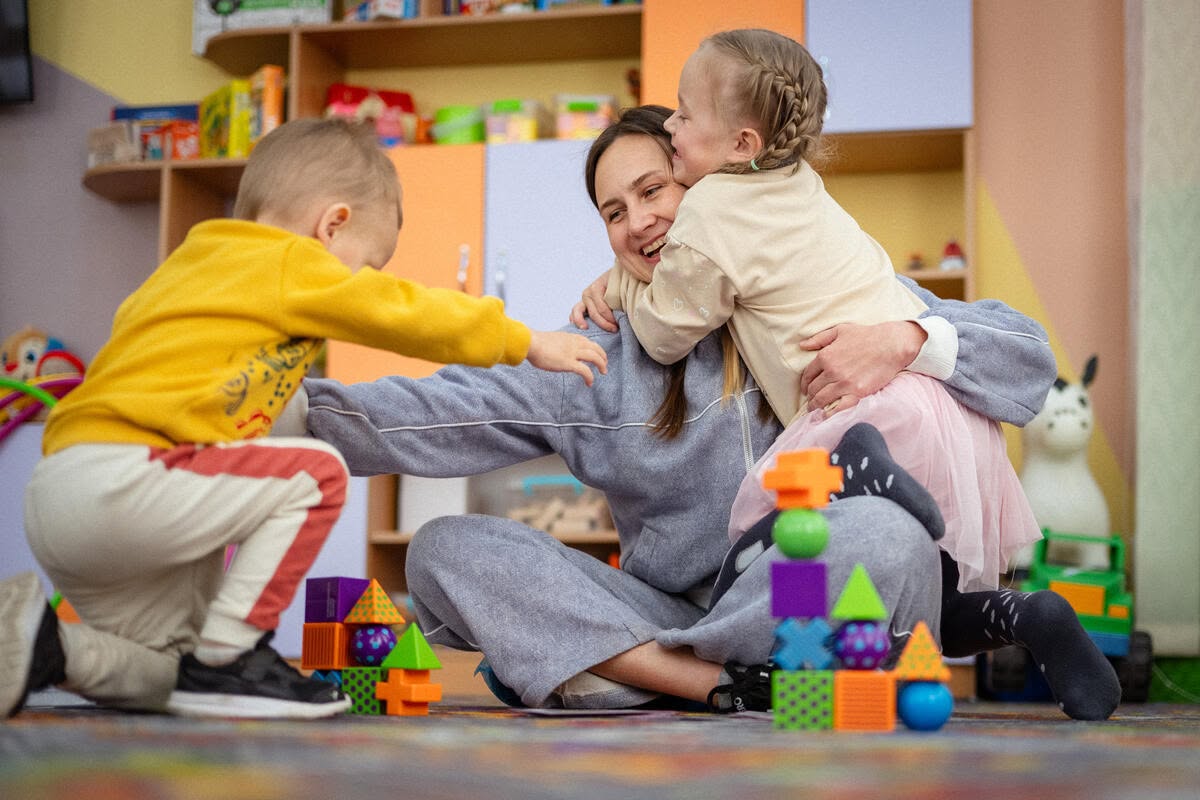 A Family from Kharkiv Received Comprehensive Assistance and Support for Their Children’s Education
The NGO “Responsible Citizens,” in partnership with Save the Children, supported the family through a project implemented with financial support from the U.S. Government. Photo credit: Save the Children.
-
 Art as a lifeline: How mobile teams empower children in remote Ukrainian communities
10-year-old Daria lives with her mother, Hanna, in the village of Havrylivka, Kharkiv region. In this remote settlement of the Barvinkivska community, home to fewer than two thousand people, a mobile team from UNICEF and the NGO "Responsible Citizens" regularly visits. The team includes a social worker, a psychologist, and an art therapist.
-
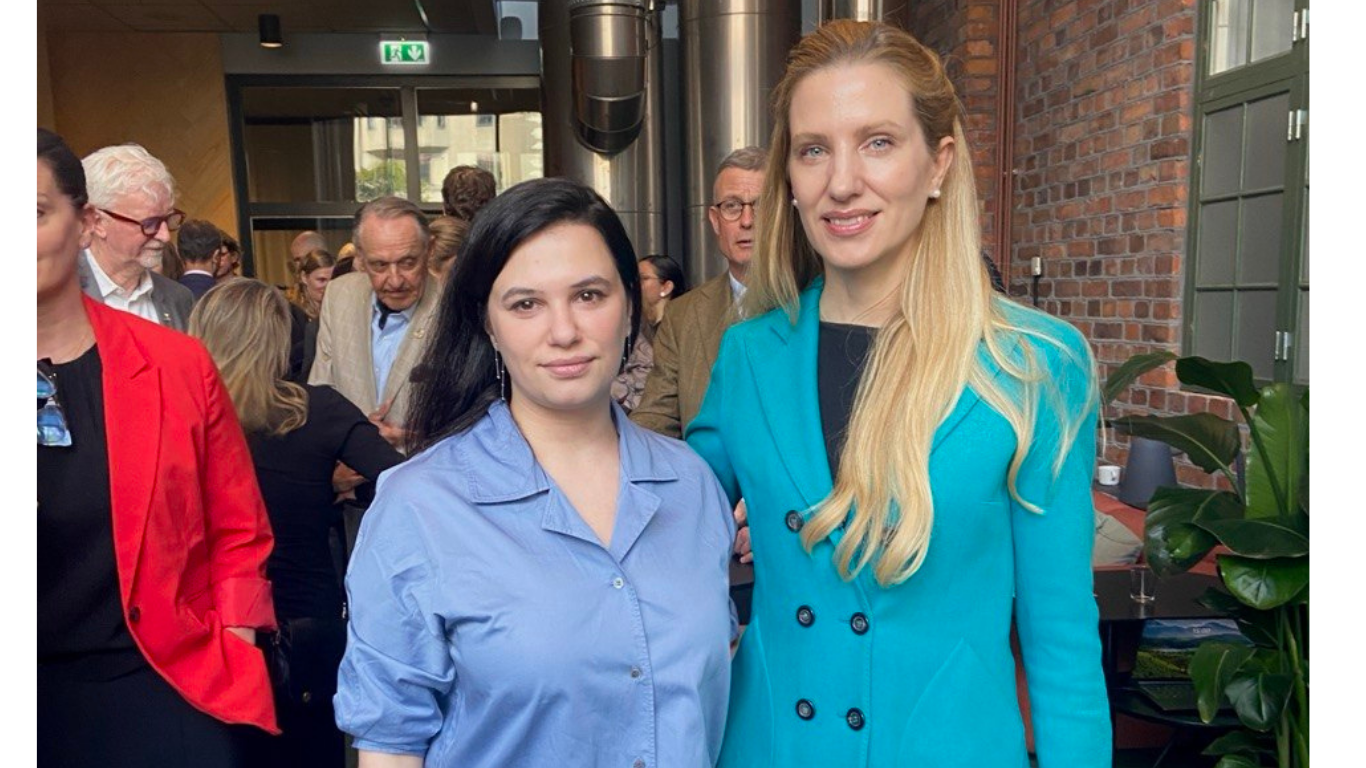 Stockholm: a strategic dialogue between civil society, business and donors on the future of Ukraine
Olga Kosse, Head of the Board of Responsible Citizens NGO, took part in the event “Building Back Better for Ukraine: Business, Children’s Rights and Long-Term Resilience” organised by Rädda Barnen (Save the Children) and Forever Sustainable with the participation of Sida – the Swedish International Development Cooperation Agency, international partners and representatives of major Swedish businesses.
-
 Kyiv summarizes results of educational project implemented with the Government of the Faroe Islands
Experts, teachers, parents, and students—a reflection session brought together everyone involved in the initiative to address educational losses. Over two days, participants discussed the results, challenges, and new opportunities in the educational process, which is currently facing significant setbacks due to the impact of wartime events.
-
 60% of educators report needing professional development, 80% encounter student stress and anxiety: online survey results
In October 2024, the NGO Responsible Citizens conducted a nationwide survey of Ukrainian educators. This open survey involved 311 education professionals from 13 re...
-
 Eight out of ten people who have already received cash assistance are residents of frontline communities
21% of participants in the cash assistance program are internally displaced persons who left occupied areas of the region.
-
 Приглашаем работников образовательной сферы на тренинг
В рамках проекта «Укрепление потенциала общин в предоставлении основных услуг по защите и повышению устойчивости в Харьковской, Донецкой, Днепропетровской и Запорож...