
Resilience Center in Zaporizhzhia: over 1,600 requests in six months of operation
Більше новин
-
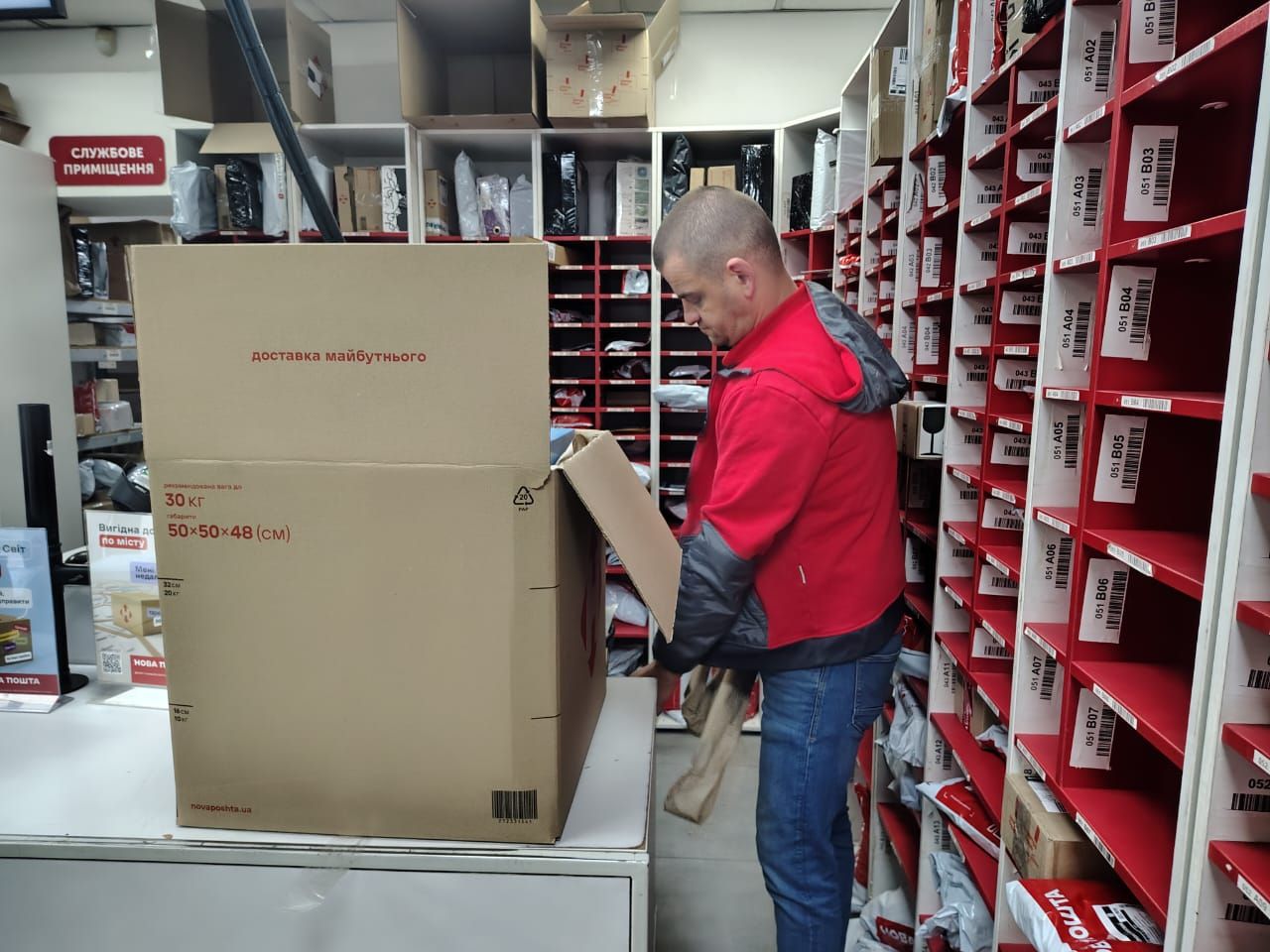 Humanitarian Aid Sent to Dnipropetrovsk Region
The shipments included charging and communication devices necessary to ensure stable communication during possible power outages.
-
 More than 100 families from Myrnohrad received support thanks to “Responsible Citizens” NGO
"Your efforts for the safety of children deserve the utmost respect," — these words of support are most often heard by families who seek help from our specialists.
-
 Stage two: Forming a team of educators to transform Ukraine’s education
The first stage of application submission is complete, and we sincerely thank everyone who showed interest in our initiative. The number and quality of applications have truly impressed us — so many scholars, teachers, and professionals in the field are ready to join efforts to improve Ukraine’s education system.
-
 Kryvyi Rih NGO team trained in psychological first aid
Special attention during the training was given to specialists’ self-regulation: how to cope with emotional exhaustion and avoid burnout when working daily with others’ pain. This experience is another step toward ensuring that assistance in communities is not just an act of goodwill but high-quality, professional support, even in the most challenging conditions.
-
 UNICEF and the NGO “Responsible Citizens” helped a family from Kharkiv start a new life
“We named our son Myroslav because we believed that by the time he was born, peace would have returned. He is now 1.4 years old, and my eldest daughter, Oleksandra,...
-
 Support for Adolescents in Kharkiv Region: New Skills for Psychologists
NGO Responsible Citizens, together with UNICEF Ukraine, continues to expand its support for specialists working in frontline communities. Our focus is on developing skills that enable professionals to effectively support young people in challenging conditions.
-
 Strategy for 2024-2028: developing a regional plan for the protection of children’s rights
Alla Maslakhova, Regional Coordinator of the NGO “Responsible Citizens” in the Dnipropetrovsk region, participated in an interdepartmental meeting dedic...
-
 How the mobile team helped a family from Sloviansk overcome the crisis and find support
The year 2022 became a year of trials for a family from Sloviansk. The decision to move to the Odesa region to protect their children from danger was not an easy one, but it was necessary. Later, when it became relatively safe in their hometown, the family returned home, despite all the challenges of living in a frontline region.