
Supporting Women Amid a Humanitarian Crisis: What Was Discussed at the Meeting with Tom Fletcher
Більше новин
-
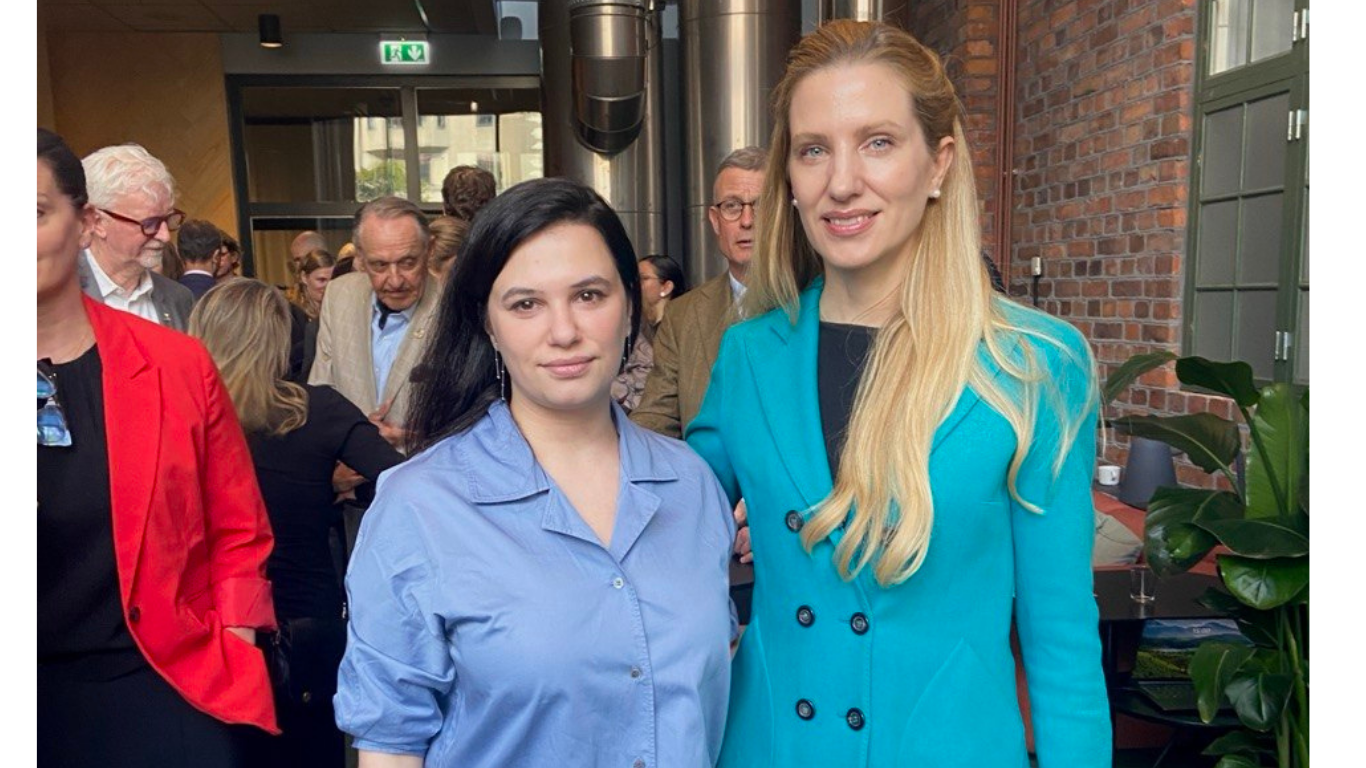 Stockholm: a strategic dialogue between civil society, business and donors on the future of Ukraine
Olga Kosse, Head of the Board of Responsible Citizens NGO, took part in the event “Building Back Better for Ukraine: Business, Children’s Rights and Long-Term Resilience” organised by Rädda Barnen (Save the Children) and Forever Sustainable with the participation of Sida – the Swedish International Development Cooperation Agency, international partners and representatives of major Swedish businesses.
-
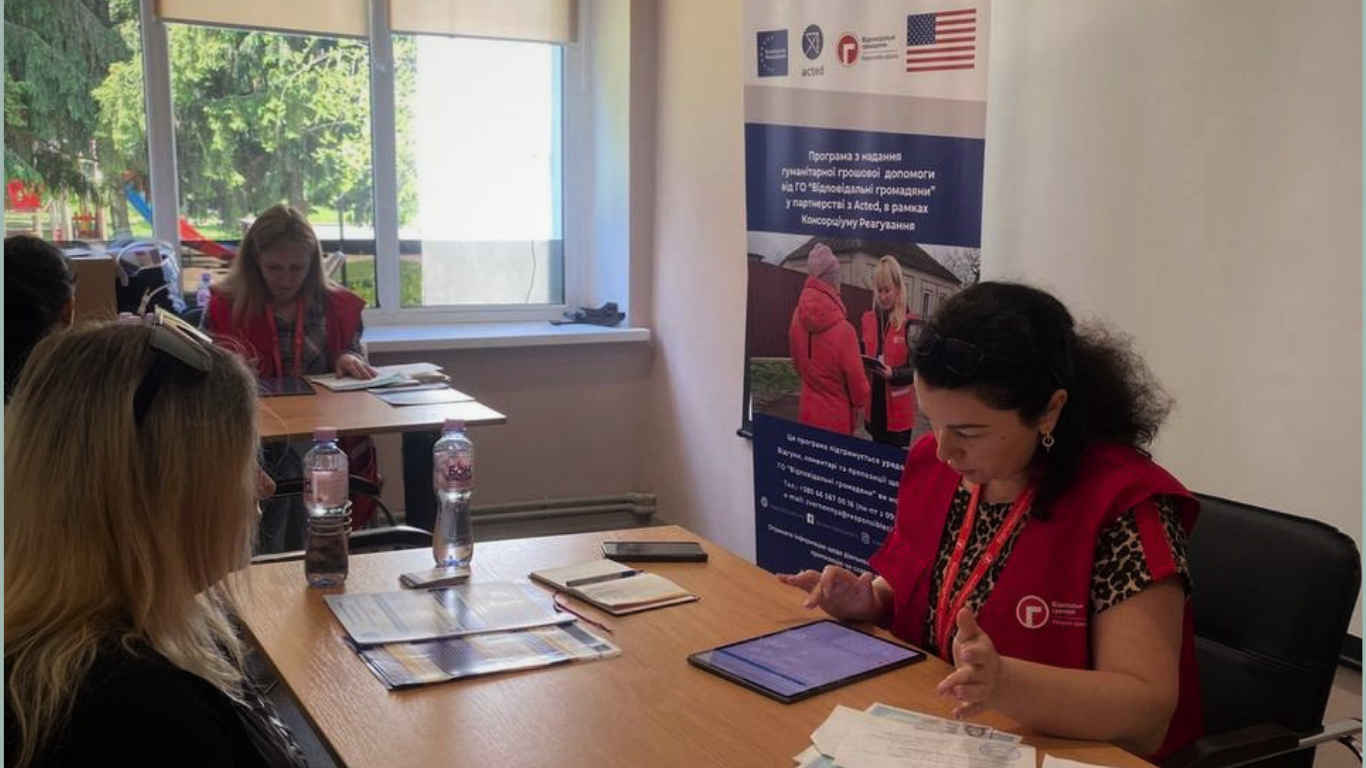 “I Keep Going for the Sake of My Children and Their Future”. The Courage of a Mother of Four
Before the full-scale war began, Olesia's life was stable and full of plans. Together with her husband, they worked, ran their own business, rented a house, and were saving money to buy a home of their own. It seemed that building a secure future for their large family was only a matter of time.
-

-
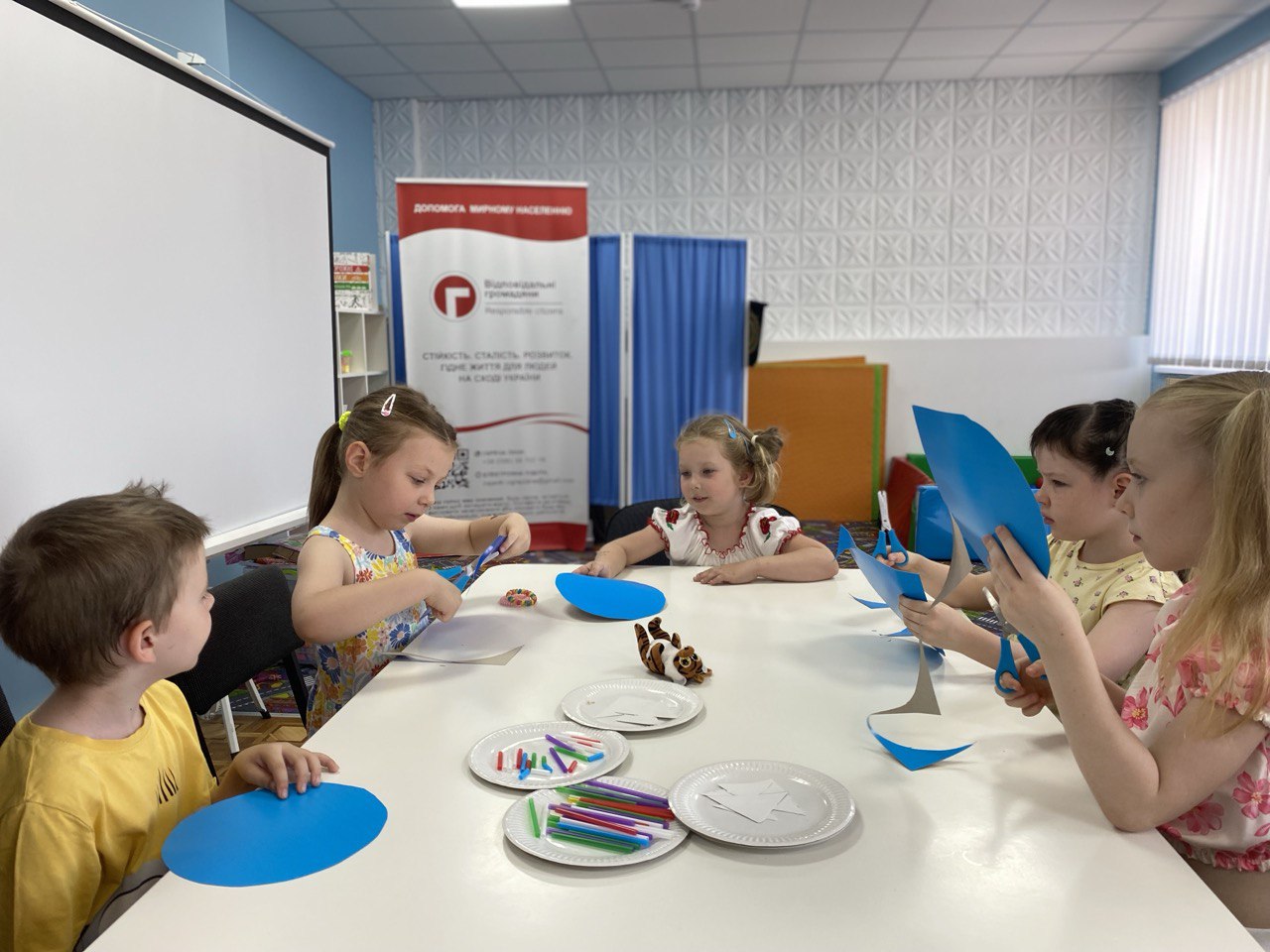 Strengthening Communities and Supporting Children in Zaporizhzhia Region
NGO Responsible Citizens, in partnership with UNICEF and with the support of the U.S. Government, is implementing the project “Strengthening Community Capacity to Provide Core Protection and Resilience Services in Kharkiv, Donetsk, Dnipropetrovsk, and Zaporizhzhia Regions”.
-
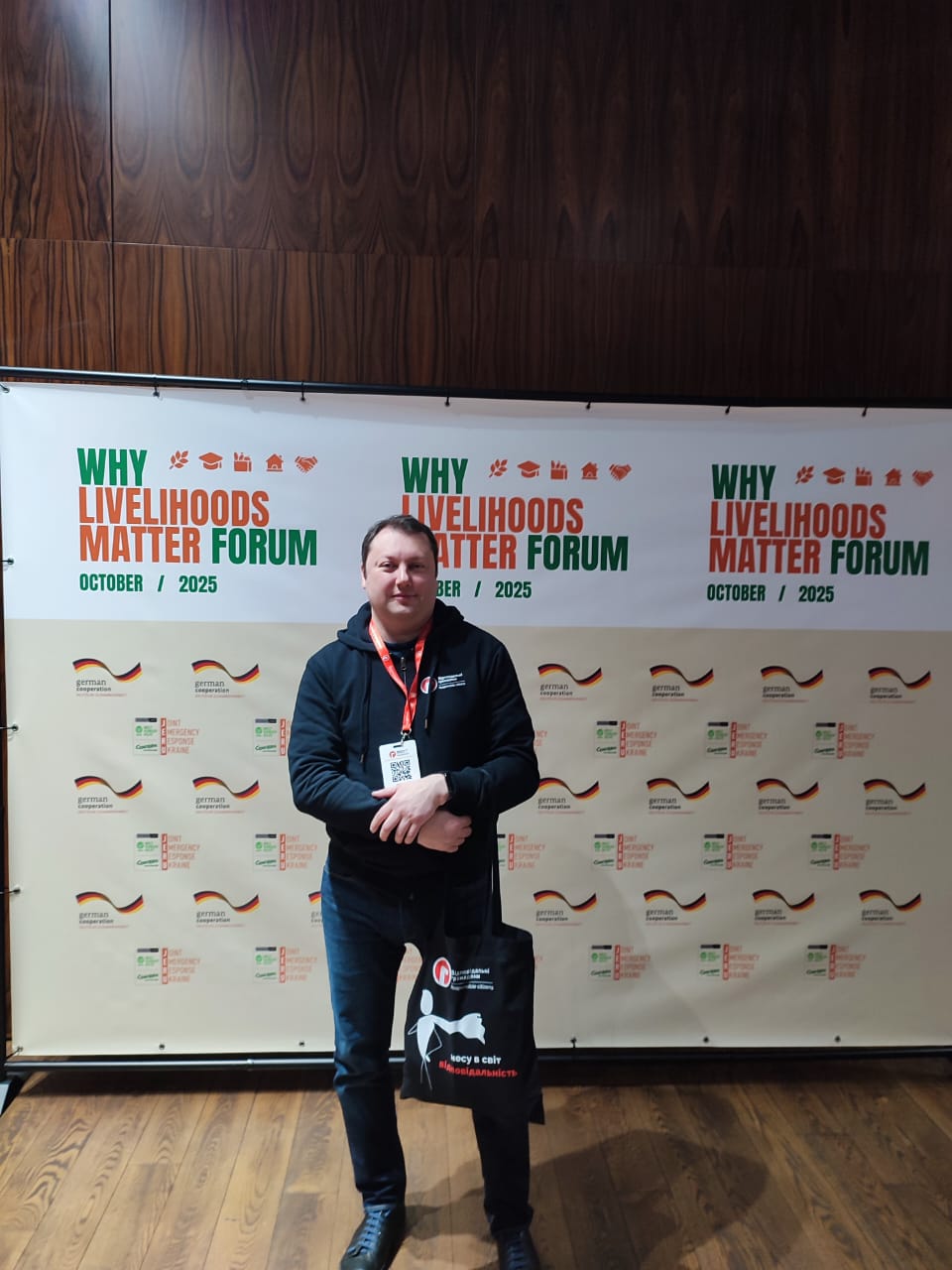 Forum in Kyiv Focused on the Importance of Economic Recovery Initiatives
Enrique Menendez, Director of Projects and Programs at Responsible Citizens NGO, took part in the forum “Why Economic Recovery Initiatives Matter,” held in Kyiv within the framework of the JERU (Joint Emergency Response in Ukraine) project.
-
 LIVES 3.0: Project Outcomes Supporting Communities Affected by Conflict
For over six months, the team of "Responsible Citizens," in collaboration with international partners, has been implementing the LIVES 3.0 project. This initiative aims to support residents in eastern Ukraine affected by the war.
-
 How to Support Those Nearby: A Humanitarian Discussion at the Kharkiv Forum
The event “Kharkiv Region: The Power of Law in the Fight for Freedom” was held with the support of the project “Human Rights for Ukraine, Phase II,” implemented by UNDP in Ukraine and funded by the Ministry of Foreign Affairs of Denmark. Olena Khvatynets, the regional coordinator of projects for the NGO “Responsible Citizens” in the Kharkiv region, participated in the forum.
-
 When war takes away stability, the community provides support: stories from Donetsk region
We share real stories of families from the Donetsk region because behind each one are daily steps toward recovery.