
Head of the Board of NGO “Responsible Citizens” Olga Kosse participates in Leadership Training for NGO Leaders
The Slovak organization Hekima recently hosted representatives from 25 leading Ukrainian NGOs in Košice, all of whom are actively engaged in the humanitarian field. Over the years, the Hekima team has been dedicated to developing professional support practices for public activists in Europe, making significant contributions to the humanitarian sector. This initiative is being developed in partnership with the Weiser Center for Europe and Eurasia and the William Davidson Institute at the University of Michigan.
This year, the Chairwoman of the NGO “Responsible Citizens,” Olga Kosse, was among the invitees to the week-long leadership seminar in Košice.
“The effectiveness of the public sector today holds tremendous importance and influence over processes in the country’s humanitarian sector. Hence, it’s crucial to bolster our capabilities and maintain our growth trajectory. The extensive experience and management practices shared in this comprehensive seminar program, prepared by our international partners, promise long-term benefits for the sustainable development of our organization. This helps enhance our professional competencies and adaptability to new challenges, ensuring the highest efficiency in our work,” says Olga Kosse.
The seminar, led by teaching teams from the WDI at the University of Michigan and Cornell University, covered topics such as improving organizational efficiency through proper work-life balance, team support and motivation, external communications, and practical aspects of developing leadership skills and creative thinking, which are essential for successful project management in the humanitarian sector.
We extend our gratitude to Hekima and the team at University of Michigan for their unwavering support of the public sector in Ukraine.


Більше новин
-
 Growing despite barriers: Polina and the team by her side
Support is provided as part of the project “Strengthening the Capacity of Communities to Provide Key Protection and Resilience Services in Kharkiv, Donetsk, Dnipropetrovsk, and Zaporizhzhia Regions,” implemented by Responsible Citizens with the support of UNICEF Ukraine.
-
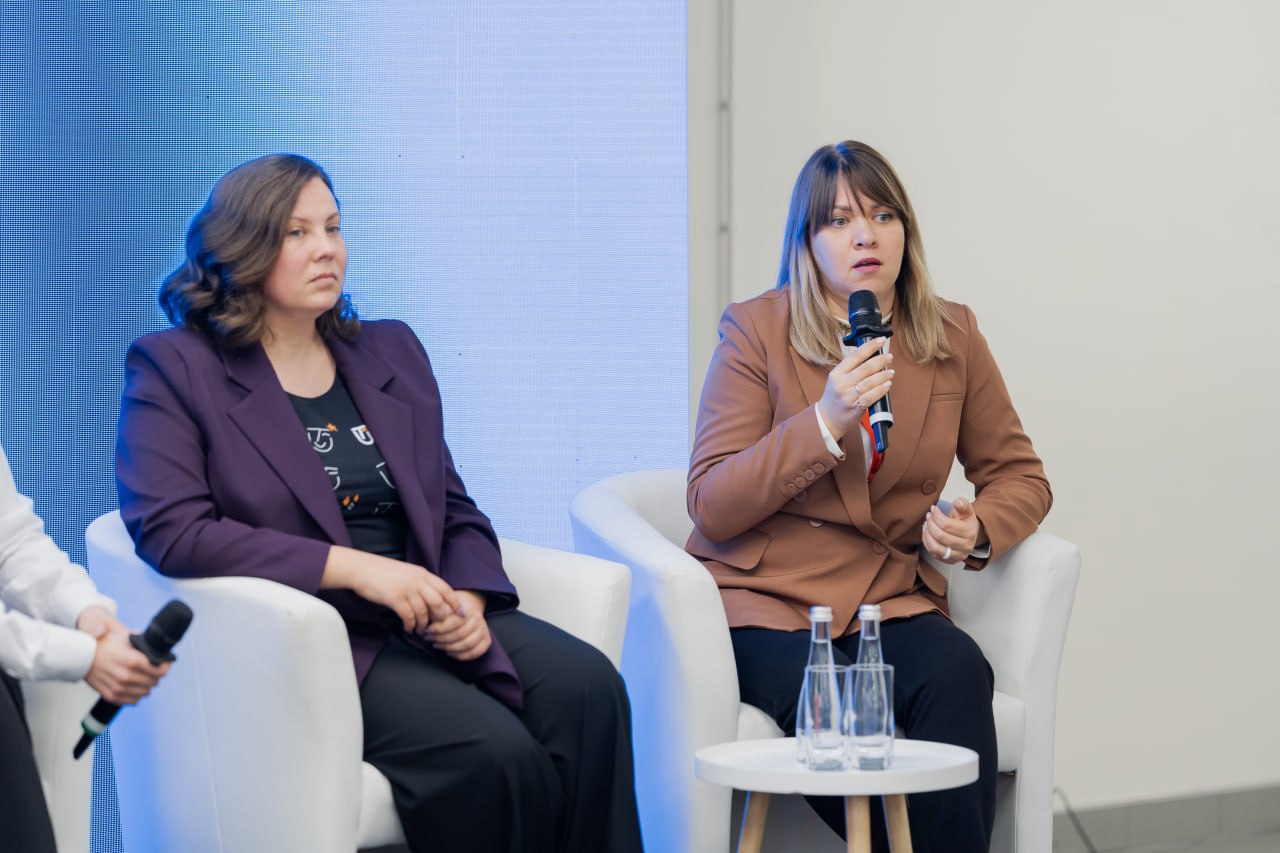 Catch-up Classes and Supporting Children During the War: “Responsible Citizens” Experience at the National Forum
The Coordinator of Educational Projects at the NGO “Responsible Citizens,” Olena Bieloliptseva, took part in the III Annual Strategic Forum on Addressing Learning Losses, organized by “Teach For Ukraine” with the support of the Ministry of Education and Science of Ukraine.
-
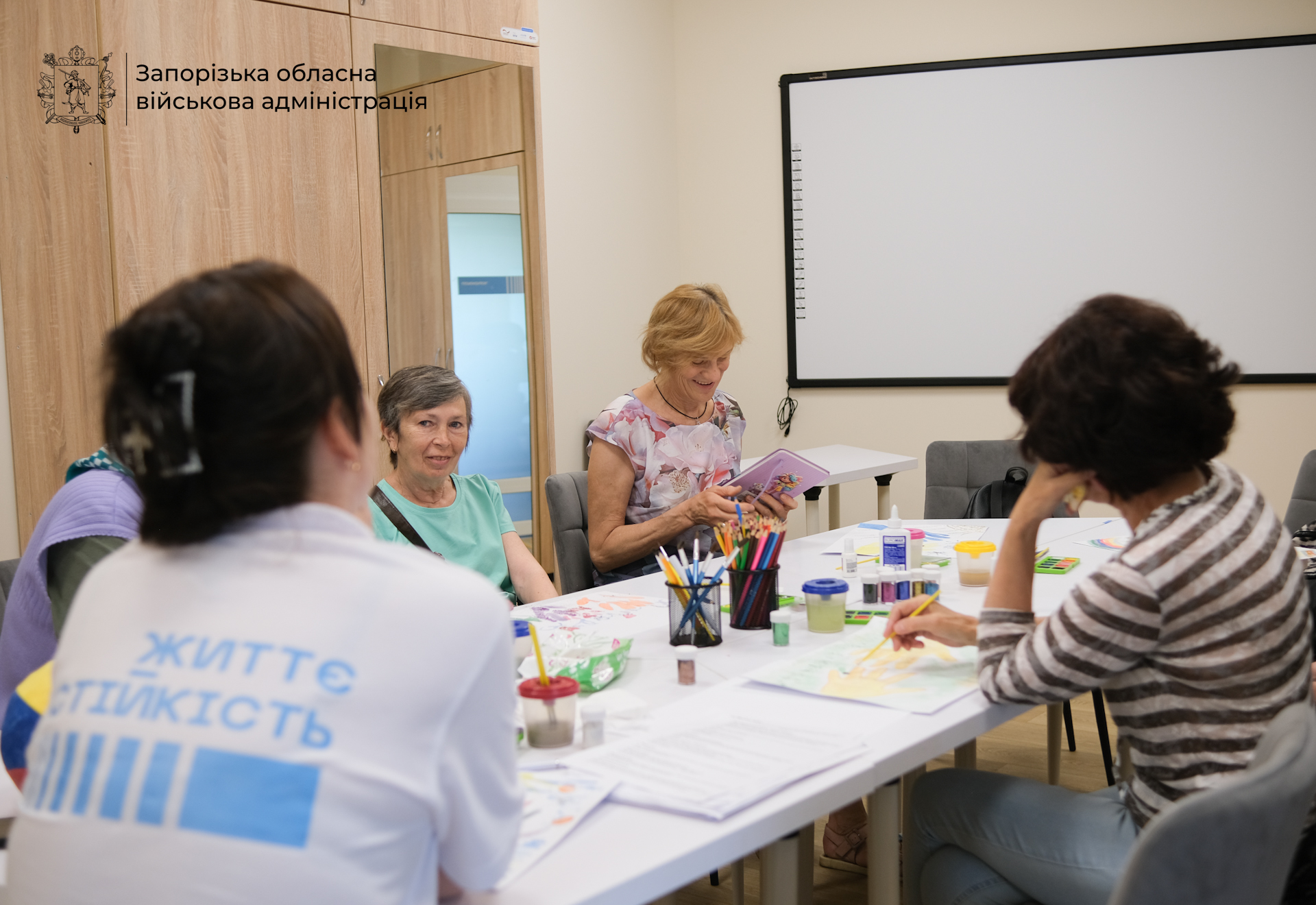 Resilience Center in Zaporizhzhia: over 1,600 requests in six months of operation
The Resilience Center was opened with the support of UNICEF and funding from the Government of Germany through the development bank KfW. The Center was established in cooperation with local authorities and social services of the Department of Social Protection of the Zaporizhzhia City Council, and implemented by the NGO “Responsible Citizens.”
-
 We are conducting innovative classes to help children with special educational needs catch up with the school curriculum
Since the beginning of September, the NGO “Responsible Citizens” has been implementing a project in the communities of the Dnipropetrovsk region aimed a...
-
 About evacuation from frontline territories: live stream
The Head of the Board of the NGO “Responsible Citizens,” Olga Kosse, spoke on the air of the Suspilne Uzhhorod channel about the current issues of evacu...
-
 How our mobile teams work in deoccupied territories
Our Rapid Response Mobile Team began operating in the deoccupied territories of Donetsk Oblast at the end of 2023. Since then, our specialists have provided consult...
-
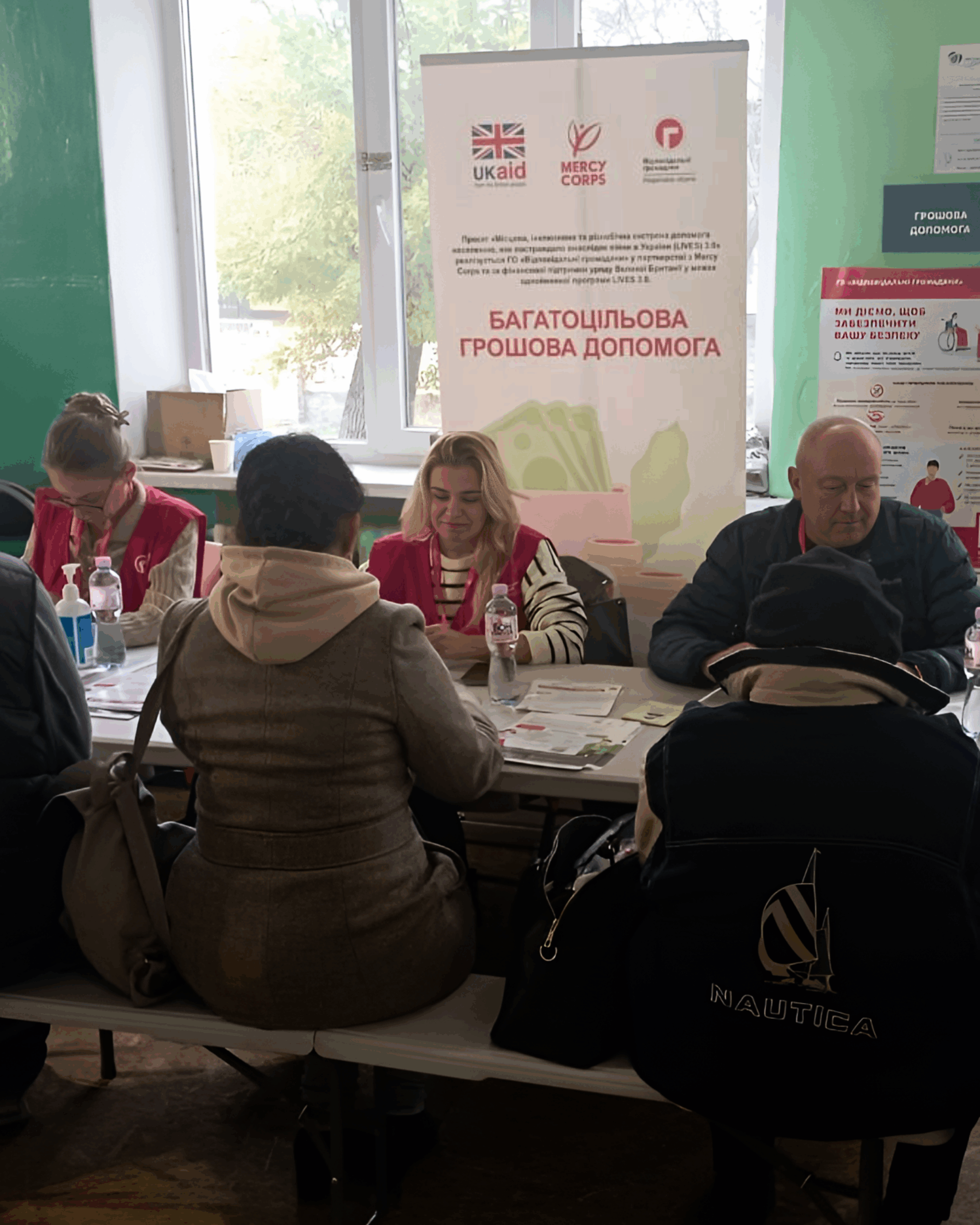 “The most important thing is to be with your child and to be safe.”
Maryna from the village of Volodymyrivka in Donetsk region is raising her four-year-old son. Before the war, she had a peaceful life — her own home, a small household, and a job as a shop assistant. It seemed that hostilities would not reach their village, but the explosions gradually came closer.
-
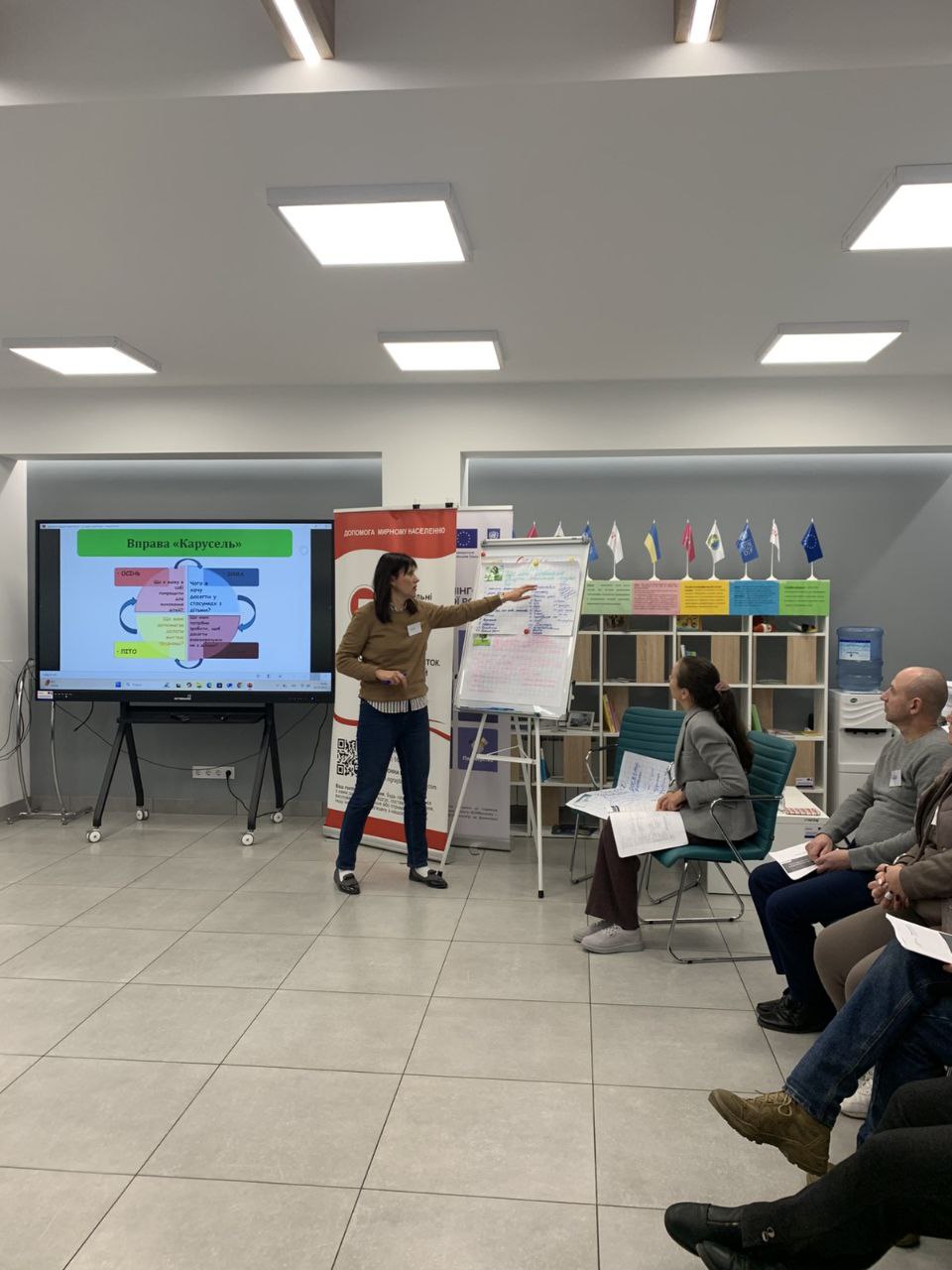 NGO “Responsible Citizens” continues to implement a UNICEF Ukraine project in Zaporizhzhia region aimed at supporting family-based care
In October, the fifth training group for candidates from Zaporizhzhia region started at the Training and Education Center for Social Work.