
“Now He Sits Down to Work on His Own”: How Specialist Support Is Helping Tymur Develop
Maryna is raising her two-and-a-half-year-old son, Tymur. After a recent operation and a stay in hospital, the boy became afraid of many things, and his speech development, which had already been uneven, almost came to a halt.
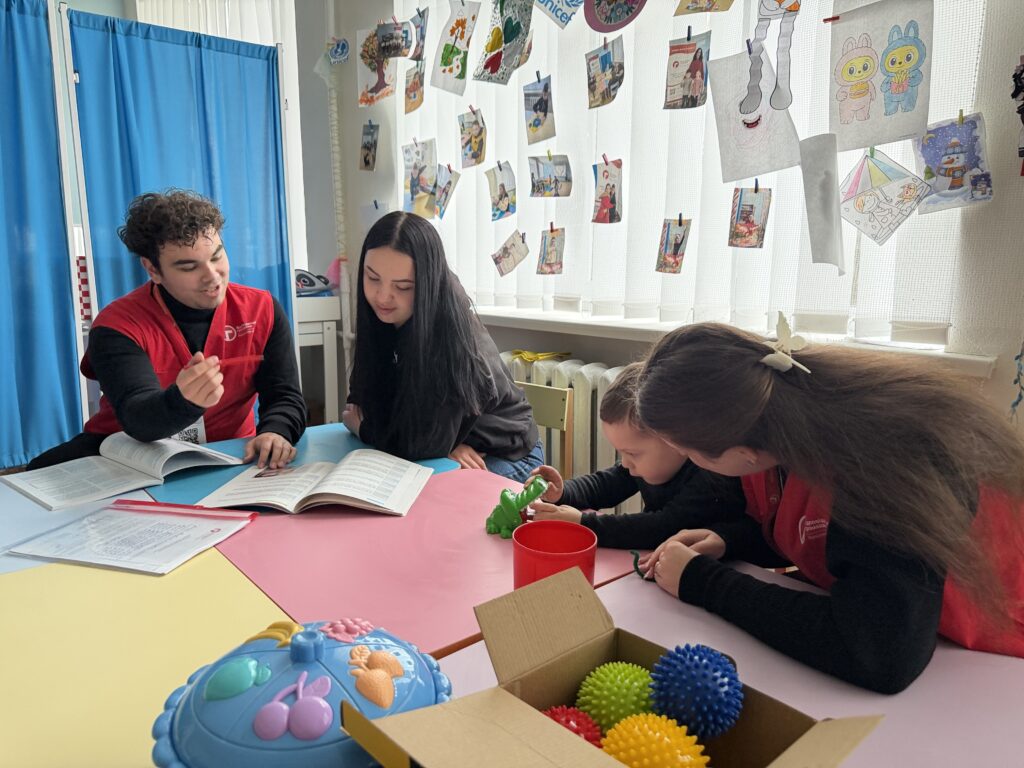
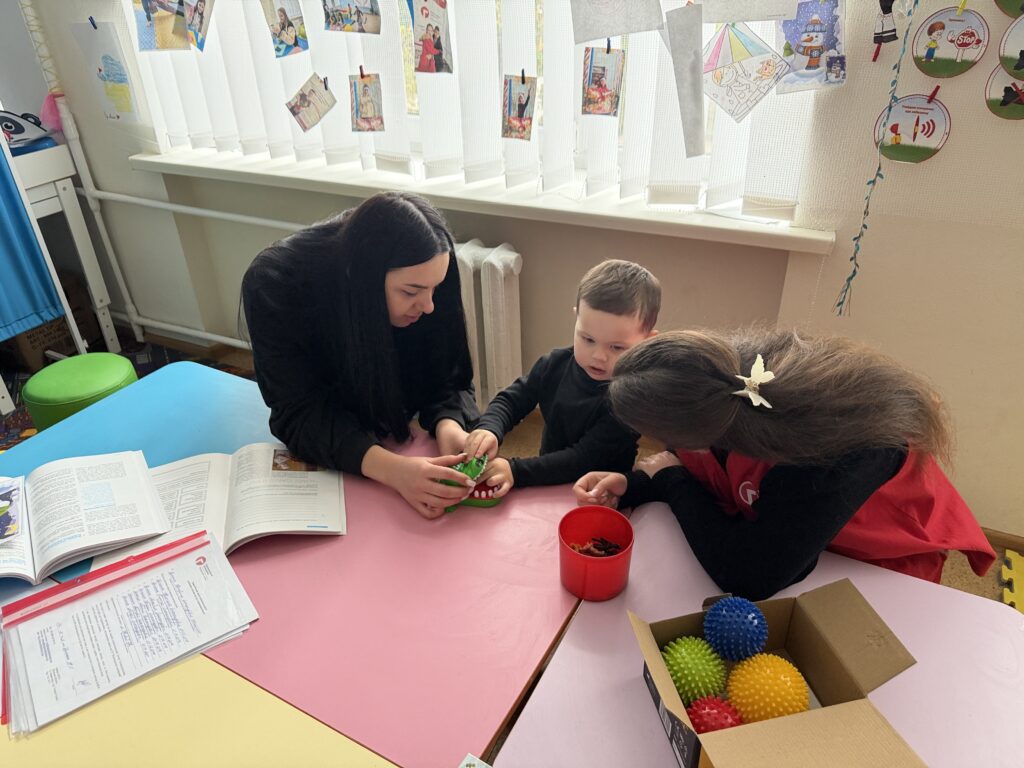
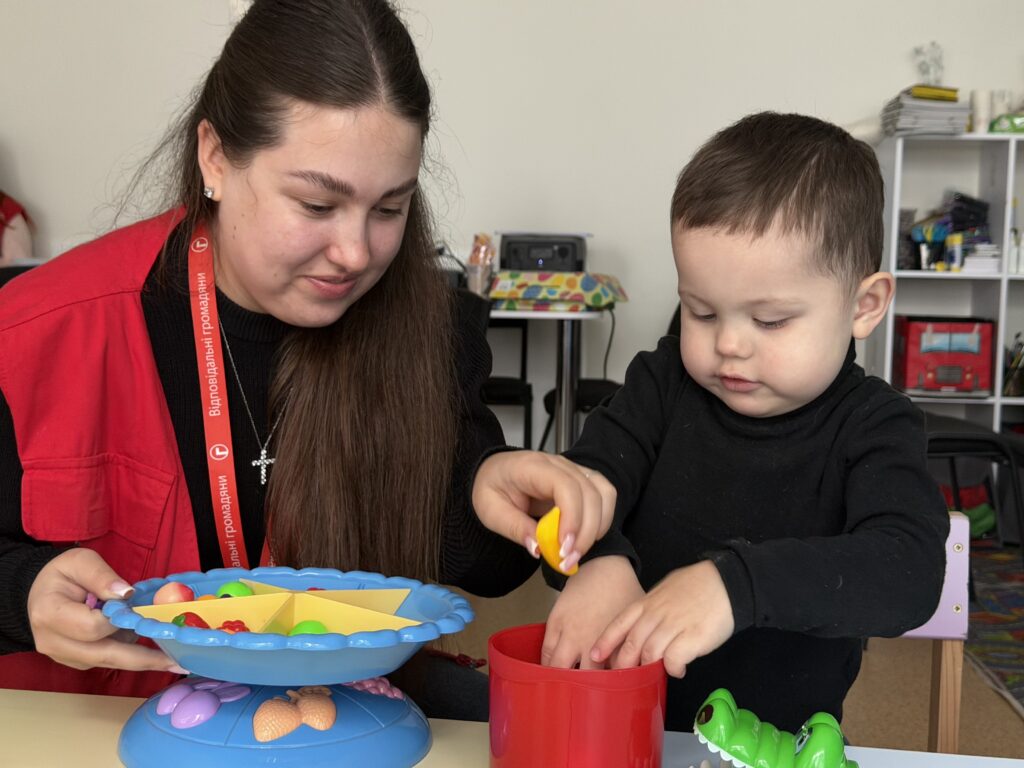
In July, following a neurologist’s recommendation, Maryna and her son sought help from specialists at the Responsible Citizens NGO. Tymur began attending individual sessions with a speech therapist and a neuropsychologist, while Maryna received support that helped her better understand her child’s needs.
“Before we reached out to the specialists, Tymur hadn’t spoken at all for about six months. Before that, he could say a few words, then he would stop speaking for two or three months. I was very worried,” Maryna recalls.
At first, the boy found it difficult to concentrate during sessions and engage in the activities. But the speech therapist found a way to connect with him and make the sessions interesting.
“When we arrive, Tymur runs up to her to give her a hug. He already knows where to sit for the session, and he listens and follows the instructions,” his mother says.
Gradually, the first changes in his speech began to appear. Tymur started pronouncing new sounds and syllables, more often tried to explain what he wanted, and showed his mother what he needed.
“When he’s drawing and the water gets dirty, he shows me that it needs to be changed. Now it’s easier for me to understand what he wants,” Maryna says.
Alongside his speech therapy sessions, Tymur worked with a neuropsychologist to develop his fine motor skills. Previously, he had difficulty holding a spoon, scooping sand into a bucket and using a paintbrush. Now he eats independently, enjoys drawing and can concentrate for longer during creative activities.
“I’ve seen huge changes over these past few months. He’s become more independent, sits down to work on his own and draws beautifully. He even holds a paintbrush differently now, like an adult,” his mother says.
To support Tymur’s development at home, the family also received a voucher to purchase stationery and other household essentials. The boy is now more interested in drawing and creative activities, and the new materials give him opportunities to develop his skills and practise them at home.
Maryna also received support from specialists at the Responsible Citizens NGO, attending individual consultations with a psychologist. She needed guidance on how to help her son cope with his fears and respond to difficult situations.
“The psychologist explained what would be best to do, how to act and what to avoid. I’ve started to understand his needs better,” Maryna says.
The specialists also helped her understand the steps involved in obtaining official status for a child affected by hostilities and accessing the social benefits available to him.
The gradual changes in her son’s development have helped Maryna feel calmer and more confident. She now has a better understanding of how to support Tymur and practical recommendations from specialists that she can continue to rely on.
“I used to struggle to keep up with him, but now he’s become a little calmer,” his mother says.
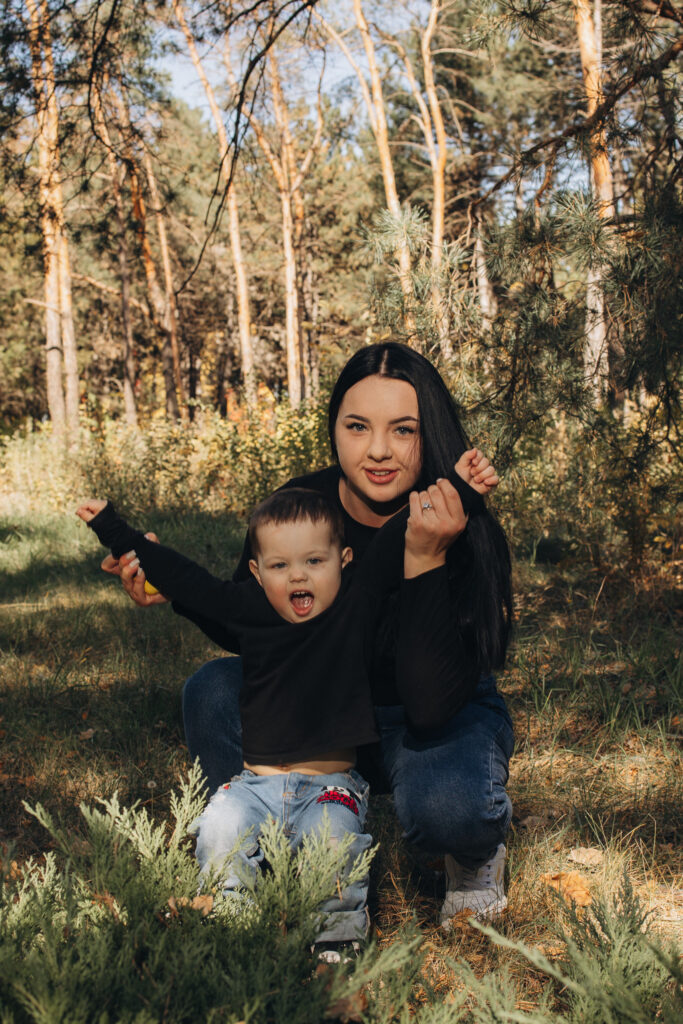
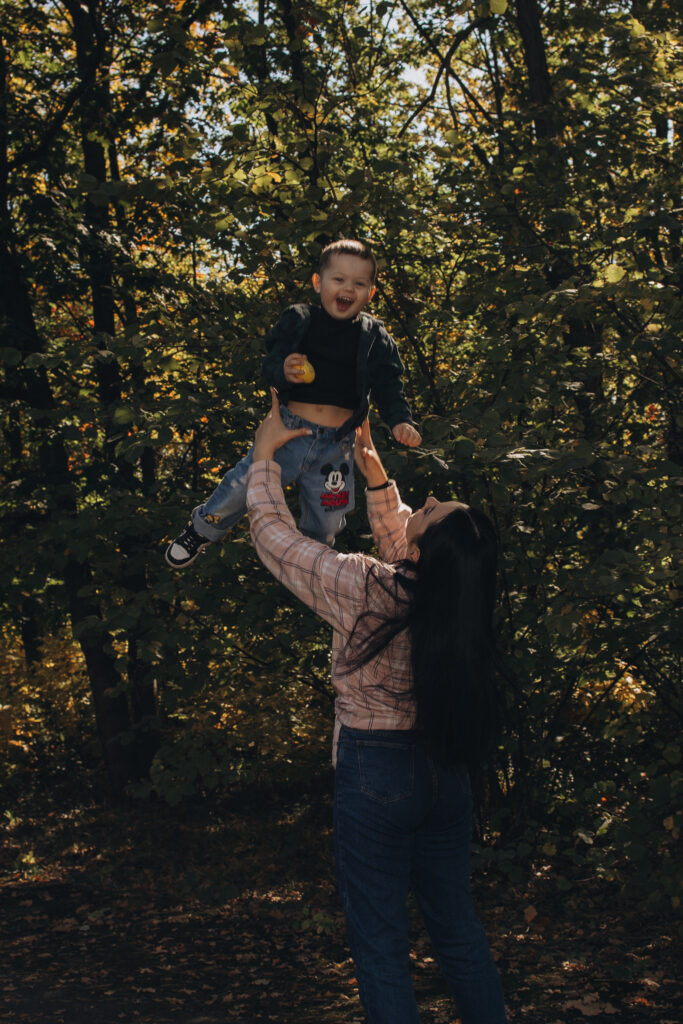
Tymur still has a lot of work ahead of him to develop his speech. Maryna continues to work with her son and, more than anything, hopes that he will be able to express his thoughts freely, talk about what he wants and communicate with others.
The support described in this publication is provided as part of UNICEF’s project, “Protection Services for the Most Vulnerable Children and Parents (or Caregivers) in Communities across Donetsk, Dnipropetrovsk and Zaporizhzhia Regions.” The project is implemented by the Responsible Citizens NGO with financial support from the U.S. Government and UNICEF.
Більше новин
-
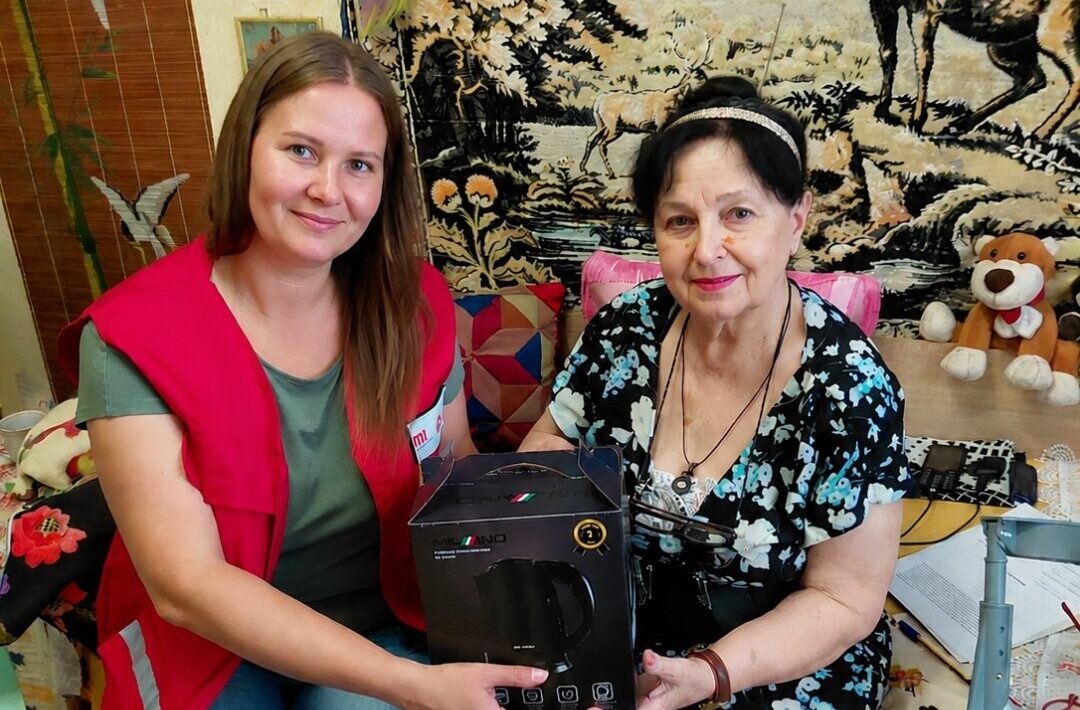 “You don’t have to face your problems alone”: how a case manager helps displaced people start a new life in their community
“I was also an internally displaced person at the beginning of the full-scale invasion, so I understand what it is like to find yourself in a completely different, unfamiliar environment. That’s why I know how important it is to feel that you are not alone, that someone cares about you and wants to help,” says Olha, a case manager with the NGO Responsible Citizens.
-
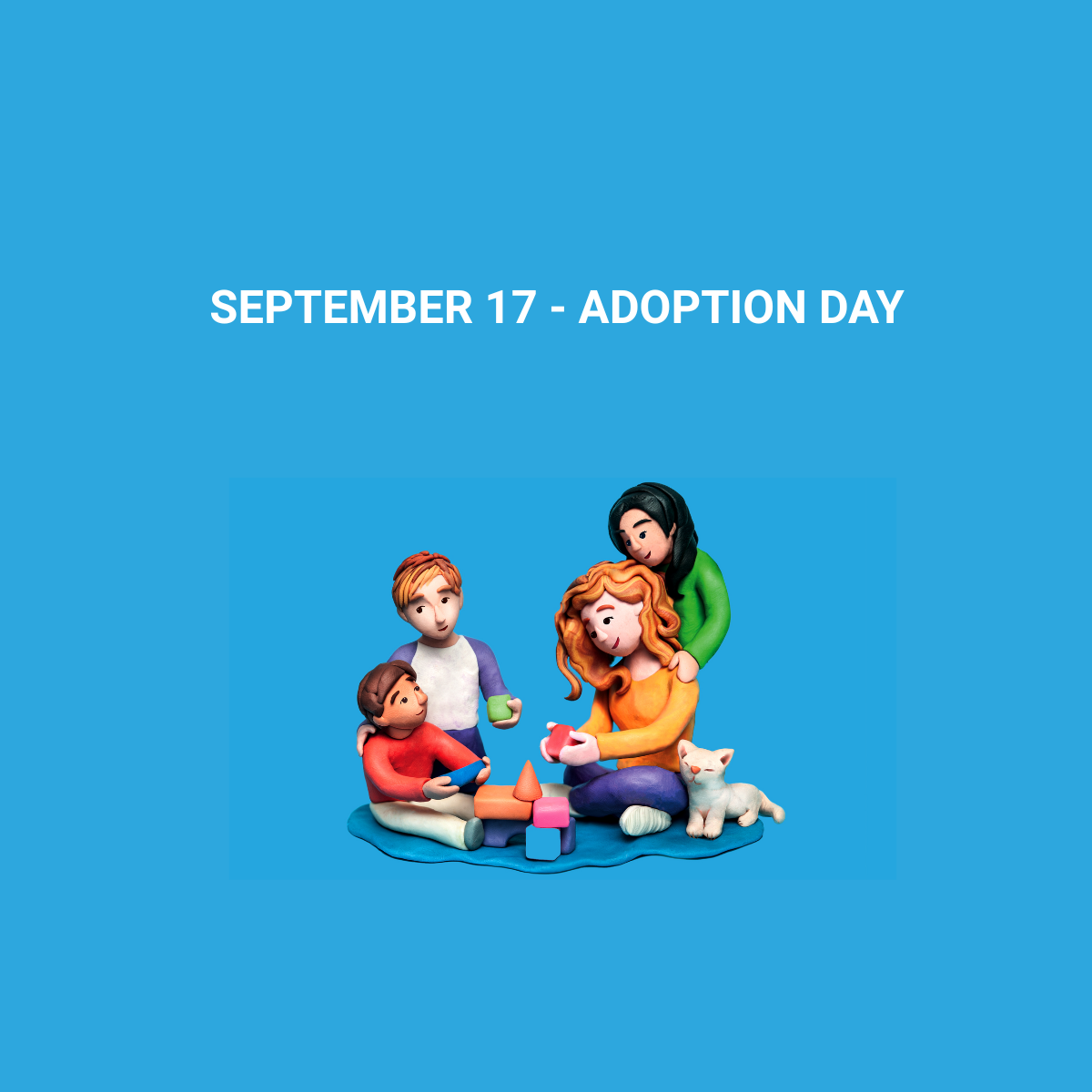 Adoption Day in Ukraine: Care, Love, and Safety for Every Child
In Zaporizhzhia region, the team of the NGO “Responsible Citizens” is implementing a component of the “Better Care” project, supported by UNICEF, in partnership with the Regional Child Services and Regional Social Services Center. Together, we work to ensure every child has a loving family and a safe environment to grow up in.
-
 In the Kharkiv region, teachers are learning tools to support children as part of an educational project
In the Kharkiv region, the educational project led by the NGO “Responsible Citizens” in partnership with the international organization Save the Children and with the support of the European Union is currently underway. As part of the project, a two-day training session was held for teachers, representatives of educational institutions, and social service professionals.
-
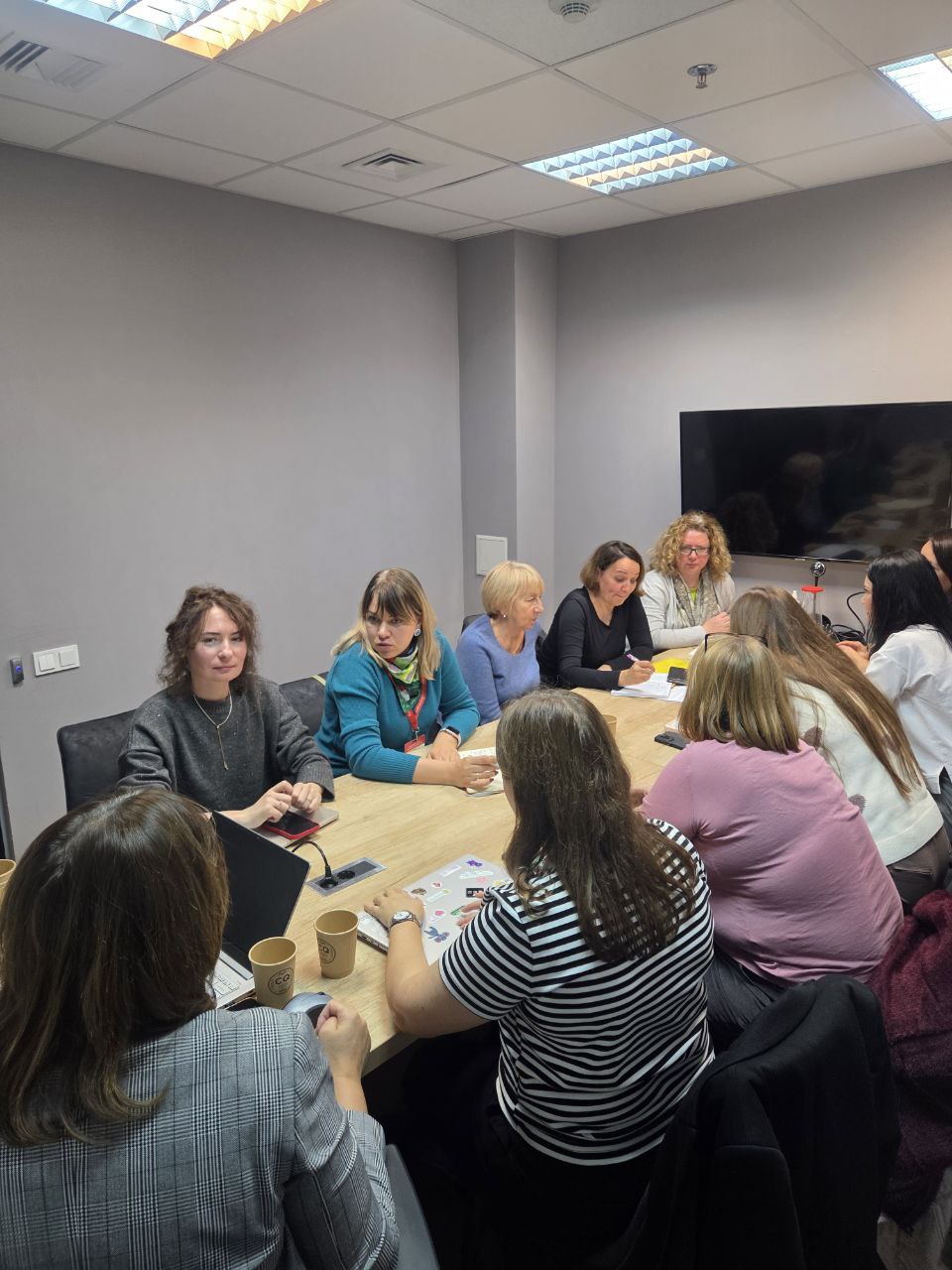 Strengthening Support for Family-Based Care
Olena Bieloliptseva, Education Projects Coordinator at the NGO Responsible Citizens, took part in the inaugural meeting of the Coordination Center for the Development of Family-Based Upbringing and Child Care.
-
 A Family from Dobropillia: When Help Arrives Just in Time
Even in wartime, the family continues to care for their children with warmth and dedication. “I want my children to be happy. Even during the war,” says foster mother Liudmyla.
-
 Olga Kosse elected Deputy Chair of the Board of the Ukrainian Child Rights Network
Olha Kosse, Head of the Board of Responsible Citizens NGO, has been elected Deputy Chair of the Board of the Ukrainian Child Rights Network. This decision reflects ...
-

-
 Supporting Women Amid a Humanitarian Crisis: What Was Discussed at the Meeting with Tom Fletcher
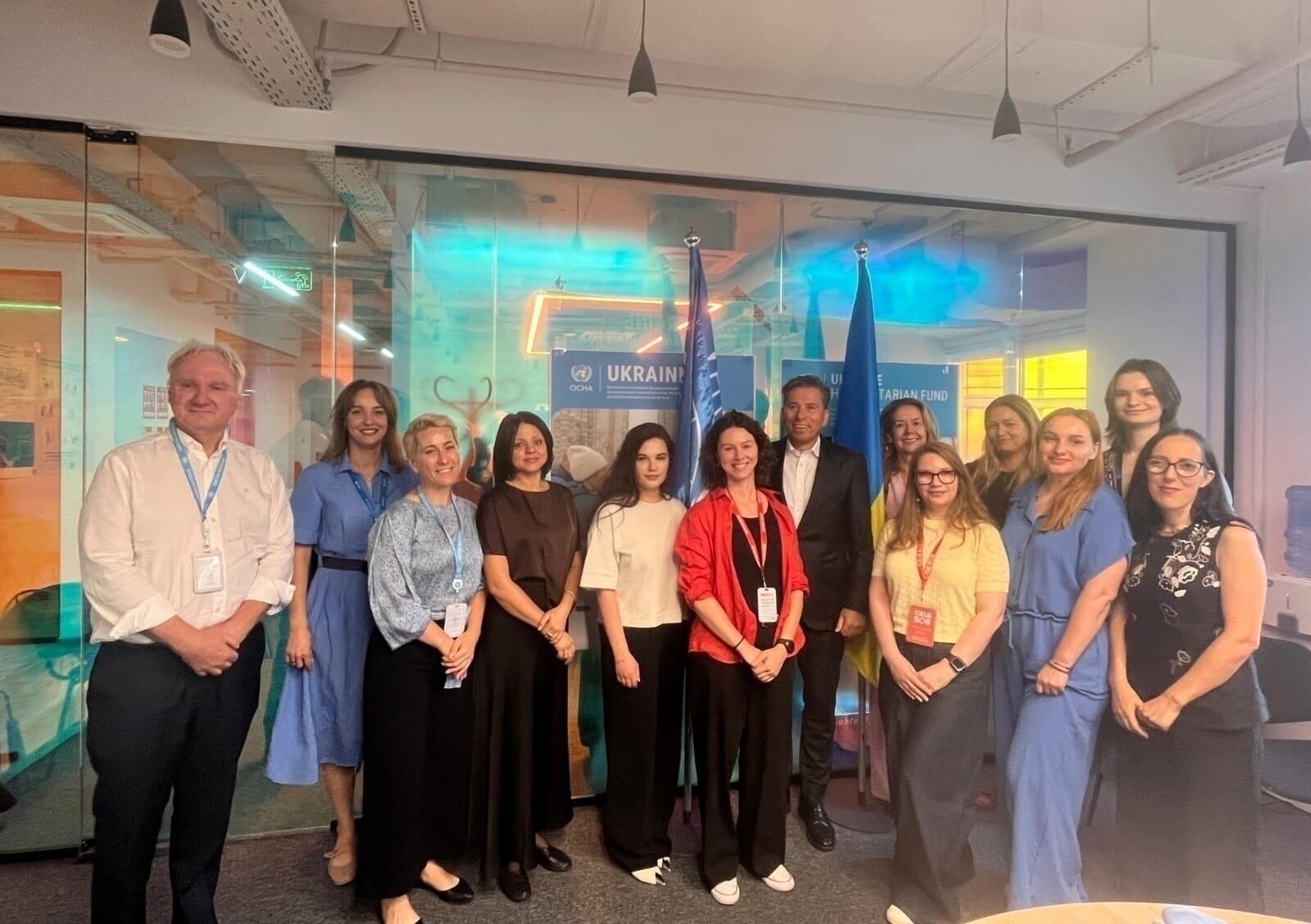
Aid in frontline areas and support after displacement to safer communities should not compete with one another. Leaders of humanitarian organizations discussed this during a meeting with officials from the United Nations Office for the Coordination of Humanitarian Affairs (OCHA).