
“Responsible Citizens” supported children for academic achievements in Dnipropetrovsk Region
NGO”Responsible Citizens” continues to actively support children who have lost parental care.
During the scholarship award ceremony, organized by the Dnipropetrovsk Regional Military Administration, middle and high school students, as well as students from vocational schools and universities, who have excelled in their studies, received cash rewards from the region and power banks from “Responsible Citizens.” This initiative aims to support youth who, despite difficult life circumstances, have achieved outstanding results.
During the ceremony, the children shared their dreams and ambitions, emphasizing that knowledge is power, and support helps them believe in themselves. The event, initiated by the Regional Military Administration, united the efforts of the state and public organizations to support the youth who need attention the most.
The distribution of gifts and recognition is just part of a larger strategy to help children who have been left without family care. The efforts of organizations like “Responsible Citizens” become an important tool in providing real assistance that promotes their social adaptation and successful development. The active participation of public organizations in such events highlights the importance of consolidated efforts in times when young people need not only material support but also confidence in their abilities.


Photos provided by the Dnipropetrovsk Regional Military Administration.
Більше новин
-
 NGO “Responsible Citizens” Joins the Ukraine Education Cluster
The Ministry of Education and Science of Ukraine, international organizations, donors, and partners of Ukraine, together with the public sector, are working on a single platform to overcome the serious challenges brought by the war.
-
 “Children are regaining their motivation to learn,” says a history teacher from Kryvyi Rih
In September, catch-up classes were launched in communities in the Dnipropetrovsk region to help students recover from learning losses.
-
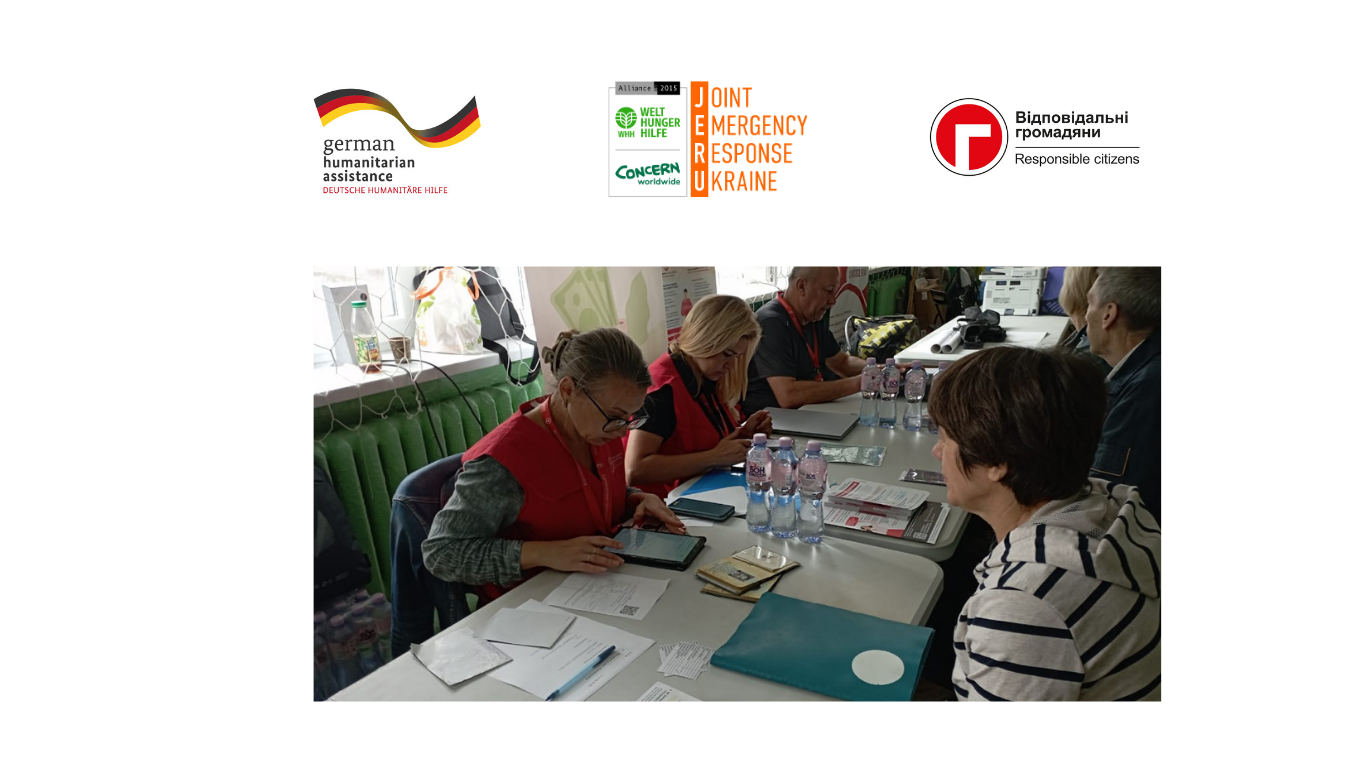 NGO “Responsible Citizens” has completed a project phase in partnership with JERU – Joint Emergency Response in Ukraine
In view of the current security and humanitarian situation in the region, the implementation of the project has been extended until June 2026.
-
 Psychological support for families with children: the experience of Zaporizhzhia
In collaboration with the Zaporizhzhia City Center for Social Services, the psychologists of the NGO “Responsible Citizens” are conducting comprehensive...
-
 Strengthening partnerships: discussing changes and achievements in social services in 2024
Oksana Ivantina, Regional Coordinator of the NGO “Responsible Citizens,” participated in an event for UNICEF implementation partners, which became a key...
-
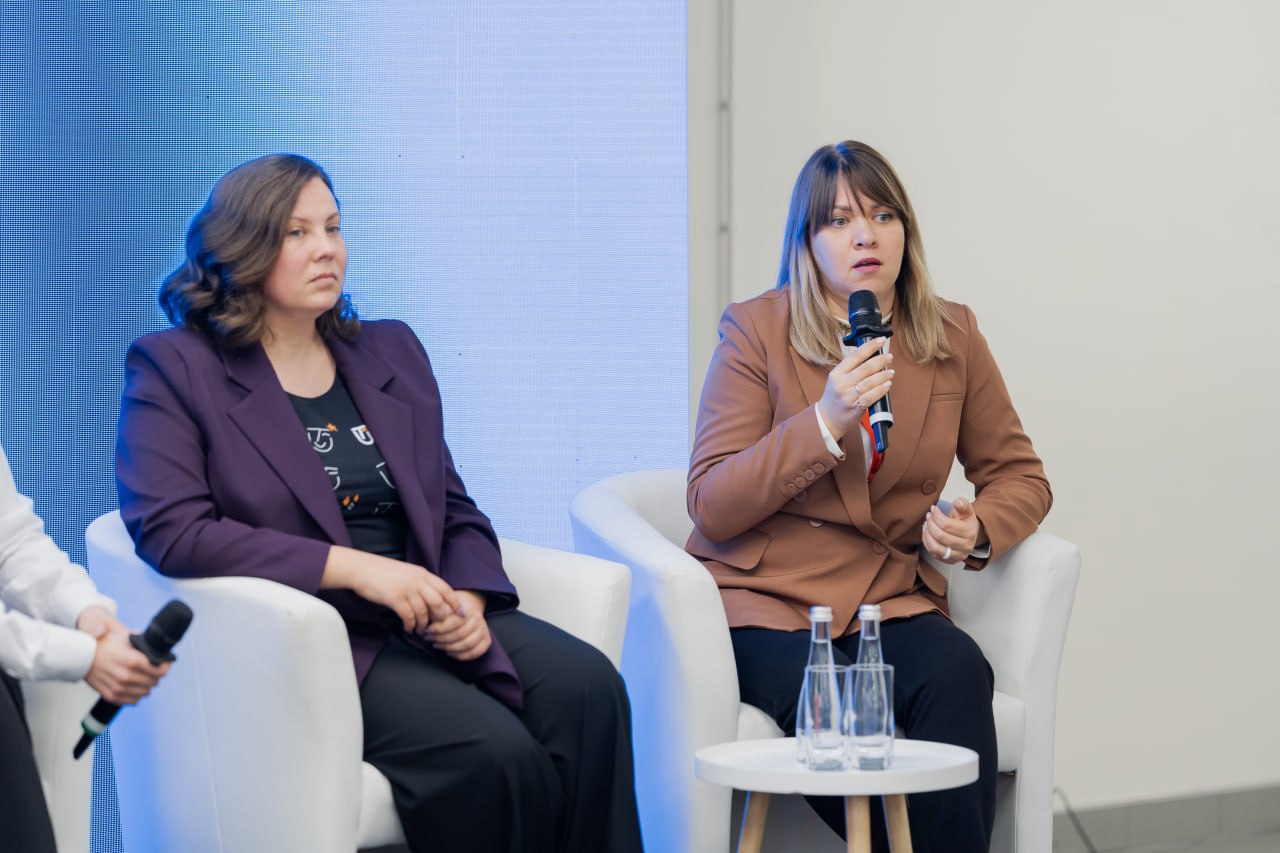 Catch-up Classes and Supporting Children During the War: “Responsible Citizens” Experience at the National Forum
The Coordinator of Educational Projects at the NGO “Responsible Citizens,” Olena Bieloliptseva, took part in the III Annual Strategic Forum on Addressing Learning Losses, organized by “Teach For Ukraine” with the support of the Ministry of Education and Science of Ukraine.
-
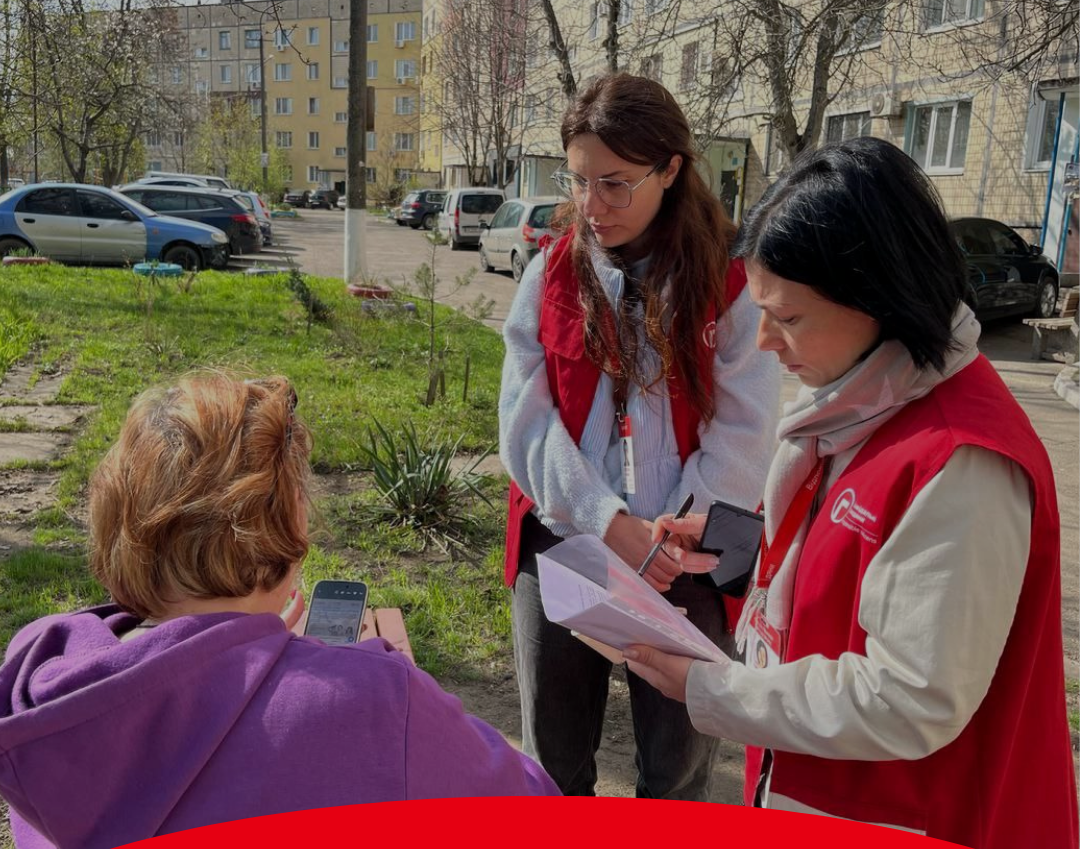 World Humanitarian Day: Aid as a Shared Responsibility
August 19 is the day to honor those who stand by people in their most difficult times. For “Responsible Citizens” NGO, humanitarian aid is more than crisis response. It is ongoing work for dignity, hope, and recovery.
-
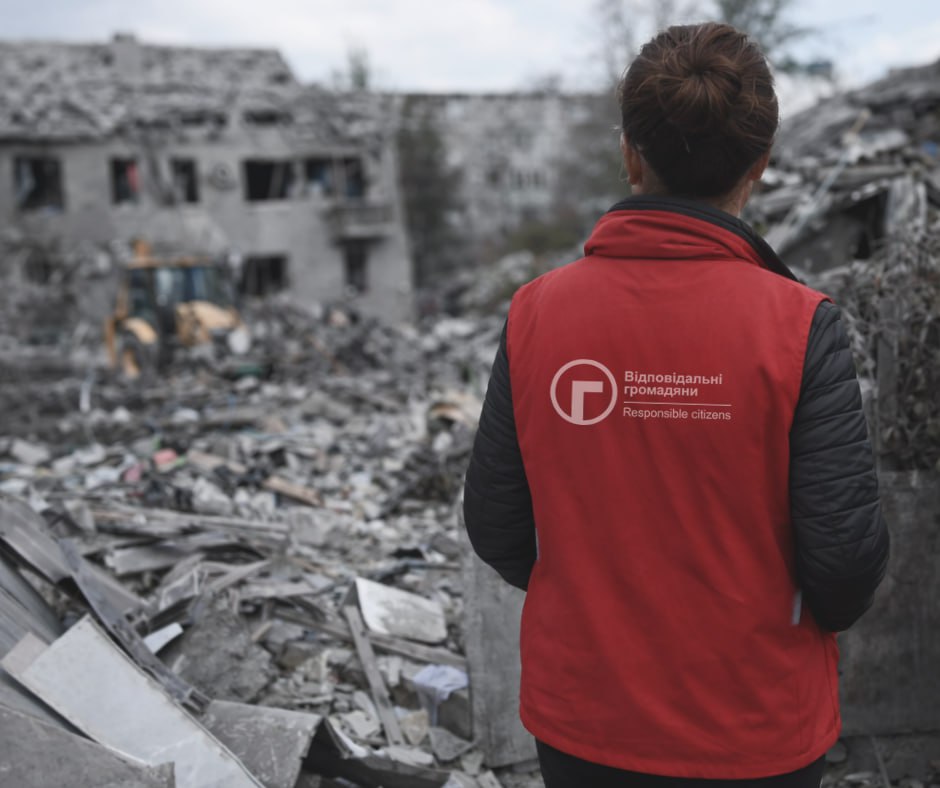 Emergency Cash Assistance for People Affected by Shelling in Donetsk and Zaporizhzhia Regions
The NGO “Responsible Citizens,” in partnership with Mercy Corps Ukraine, provides emergency cash assistance to residents of Donetsk and Zaporizhzhia oblasts whose homes were damaged or destroyed as a result of shelling. The support is aimed at rapid response and covering the most urgent needs of affected families.