
“He Has Started Avoiding Other Children Less.” How Support Is Helping Makar and His Mother
“The changes are very slow for us. But I’ve noticed that he doesn’t avoid other children as much. He has started interacting with his peers. This is very important to me.”
Iryna lives in Trostianets, Sumy region, and is raising her 9-year-old son Makar, who has a disability. The boy does not speak and requires constant attention from adults. So his mother spends most of her time by his side.
A few months ago, Iryna reached out to the mobile team of the “Responsible Citizens” NGO. Together with a case manager, they identified the support the family needed and found opportunities that Iryna had not used before. The family received some of the assistance directly from the mobile team’s specialists, while for other services and opportunities, Iryna was additionally referred to the relevant specialists and organizations in her community.

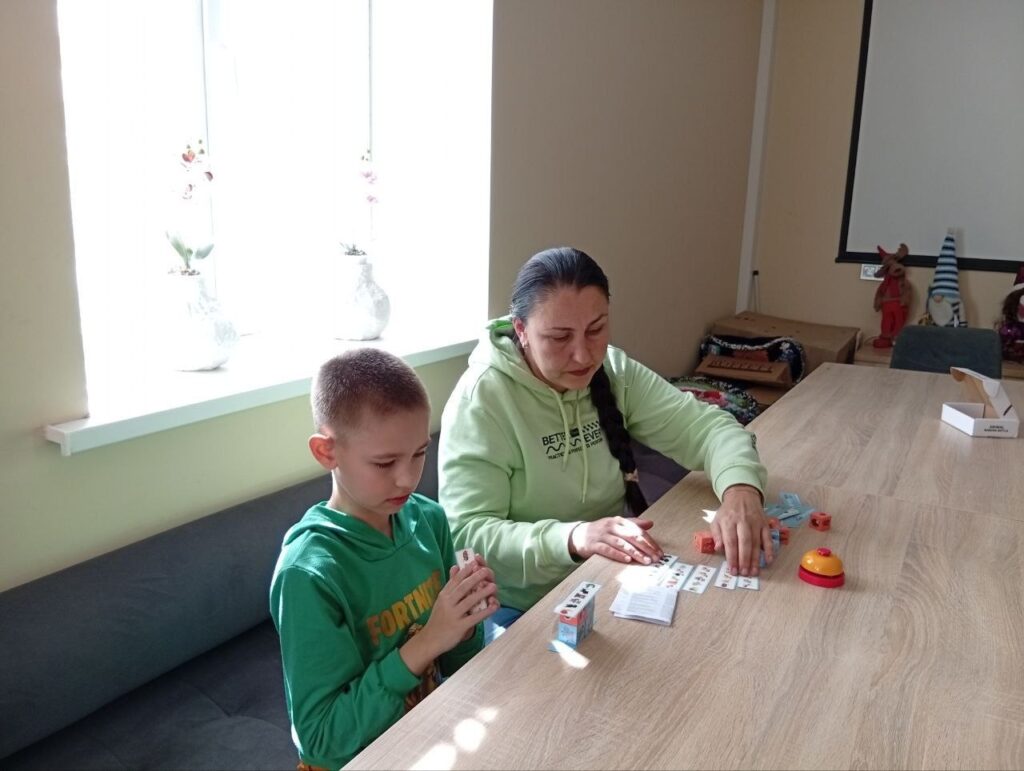
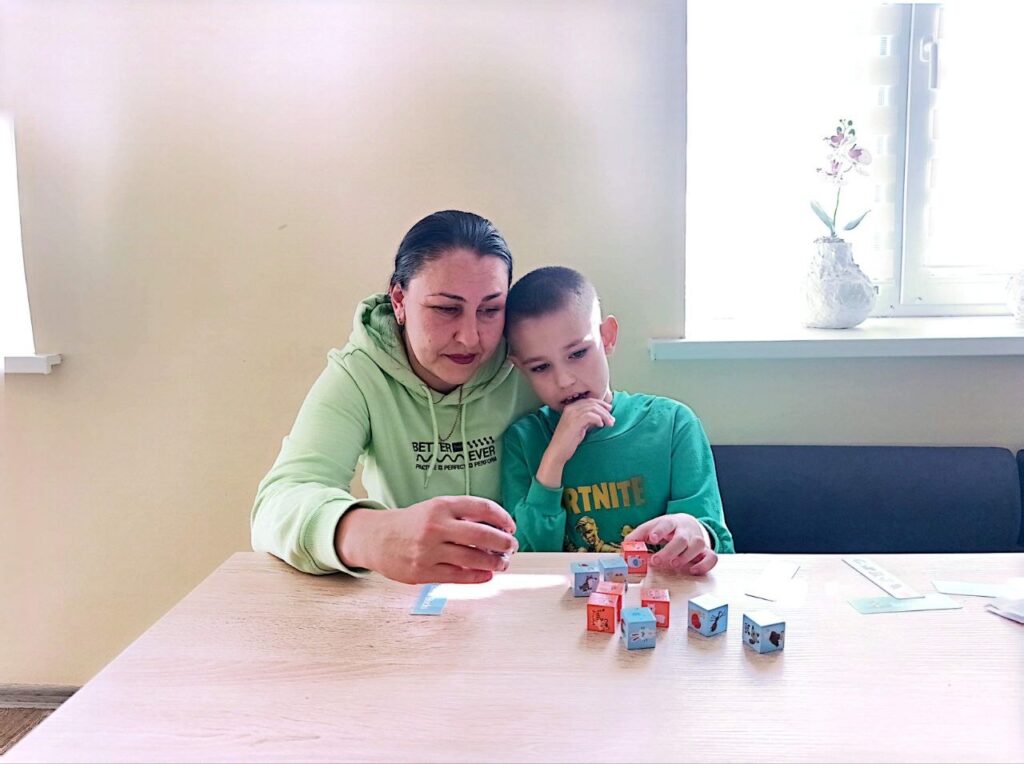
Makar began attending sessions with inclusion specialists and a psychologist, as well as workshops and other activities together with his peers. For him, this is an opportunity to be around other children, interact with them and gradually gain new experiences.
“There are many children there, so he is not alone. And he has started interacting with them. His socialization is progressing. Of course, some days are better and some are worse. But I can see that he doesn’t avoid other children as much anymore. He likes games where he has to put together cubes with pictures on them.”
Alongside her son, Iryna is also receiving support herself. She attended psychological support sessions. She says they helped her become more confident and see opportunities for her own development.
“The psychological support sessions gave me a little more confidence. I realized that I can do more than just stay at home with my child — I can also earn an income.”
Seeing that Iryna wanted to develop and work, the specialists referred her to hairdressing courses. After completing the training, she started cutting people’s hair in her local area.
The mobile team’s specialists also helped Iryna find a job with a charity organization, where she takes care of older people who live nearby. This job allows her to stay close to her son while also earning her own income.
“This is important to me because before, we mostly lived on social benefits. Now I have my own income, and with it, more confidence in my abilities and in my ability to support my family.”
The family also received cash assistance as part of the project, which Iryna used to buy essential things for Makar — winter clothes, shoes, underwear and other necessities.
Iryna says that thanks to the mobile team’s work, she now knows where to turn when her family needs a particular service or specialist.
“I’m very grateful that there are organizations that support parents, refer them to other services and organizations, and offer guidance. That you are not alone, that someone supports you and looks out for you. This is needed not only by children, but by adults as well. Here, they tell us: there is this service there, there are these specialists, and this kind of assistance is available here.”
Today, Iryna is making plans with greater confidence. She has enrolled in courses on grant writing and implementation and wants to try starting a family business together with her husband.
She also dreams of a space being created in Trostianets where children with disabilities could spend 3–5 hours with specialists while their parents take care of their own affairs.
“So that there would be a teacher and a speech therapist there, so they could work with him while I could run my own errands, sort out documents or wait in the necessary queues.”
But most of all, Iryna wants Makar to have more opportunities to be around other people, communicate and gradually become more independent.
“I want him to be able to adapt to the world and to life in society.”
This publication and the assistance described in it were made possible thanks to the generous support of the Government of the United States of America in cooperation with Polish Humanitarian Action (PAH). Responsibility for the content rests with the “Responsible Citizens” NGO and does not necessarily reflect the views of the U.S. Government.
Більше новин
-
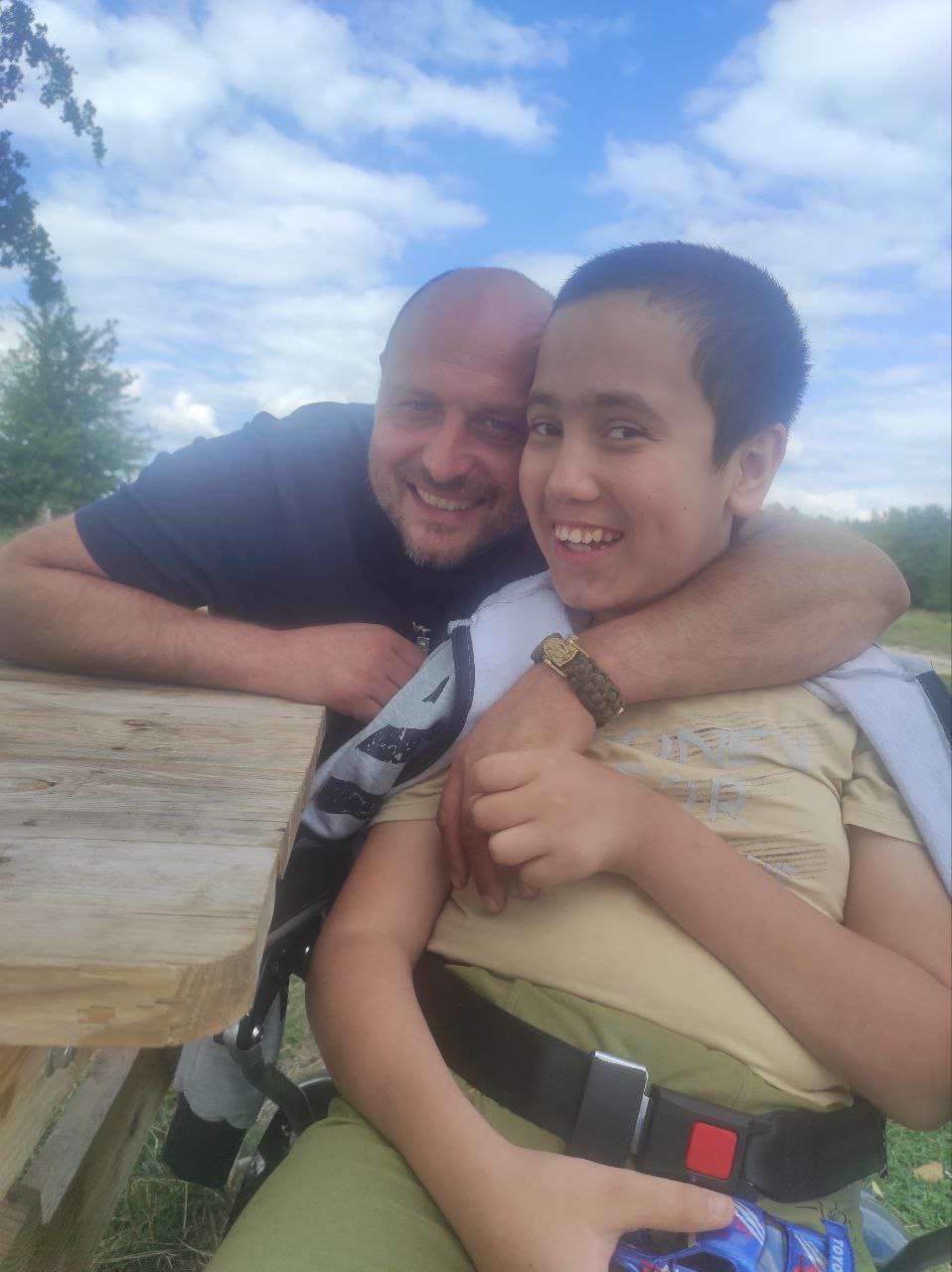 Psychological Support and Cash Assistance: The Story of Maria’s Family from Velykyi Bobryk
Через виклики війни та втрату житла родина Марії переїхала до Великого Бобрика на Сумщині, де отримала психологічну підтримку та грошову допомогу від ГО «Відповідальні громадяни» у партнерстві з JERU.
-
 Aid delivered to Donetsk Oblast
152 women's kits were provided by the NGO "Responsible Citizens" to the residents of Novodonetske and Dobropillia in Donetsk Oblast.
-
 Project to overcome educational gaps completed: what we achieved
NGO Responsible Citizens, in partnership with the government of the Faroe Islands, has completed a project aimed at addressing educational gaps among primary and secondary school students in Dnipropetrovsk oblast.
-
 Spanish Ambassador highly praises support for families in projects by NGO “Responsible Citizens” in partnership with UNICEF
The Ambassador Extraordinary and Plenipotentiary of Spain to Ukraine, Ricardo López-Aranda Jagu, together with the Head of UNICEF’s Representation in Ukraine, Munir Mamedzade, visited Zaporizhzhia.
-
 “Children are regaining their motivation to learn,” says a history teacher from Kryvyi Rih
In September, catch-up classes were launched in communities in the Dnipropetrovsk region to help students recover from learning losses.
-
 14 November — International Speech Therapist Day
This is a day dedicated to people who help children find their voice — in the most literal sense. Our speech therapists do more than teach children how to articulate sounds. They help them gain confidence, build communication skills, and freely express their thoughts and emotions.
-
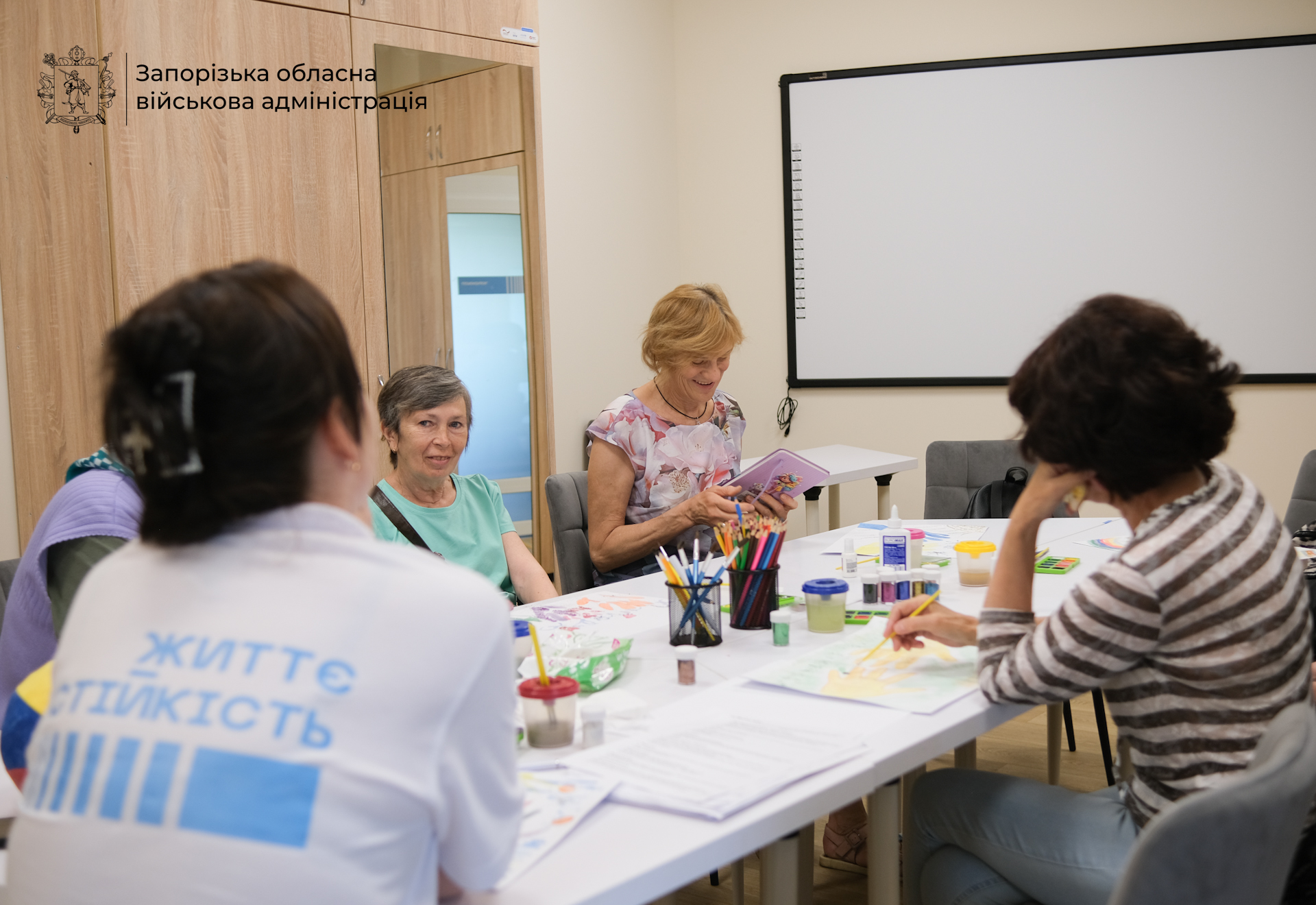 Resilience Center in Zaporizhzhia: over 1,600 requests in six months of operation
The Resilience Center was opened with the support of UNICEF and funding from the Government of Germany through the development bank KfW. The Center was established in cooperation with local authorities and social services of the Department of Social Protection of the Zaporizhzhia City Council, and implemented by the NGO “Responsible Citizens.”
-
 A new wave of assistance continues at the Pavlohrad transit center
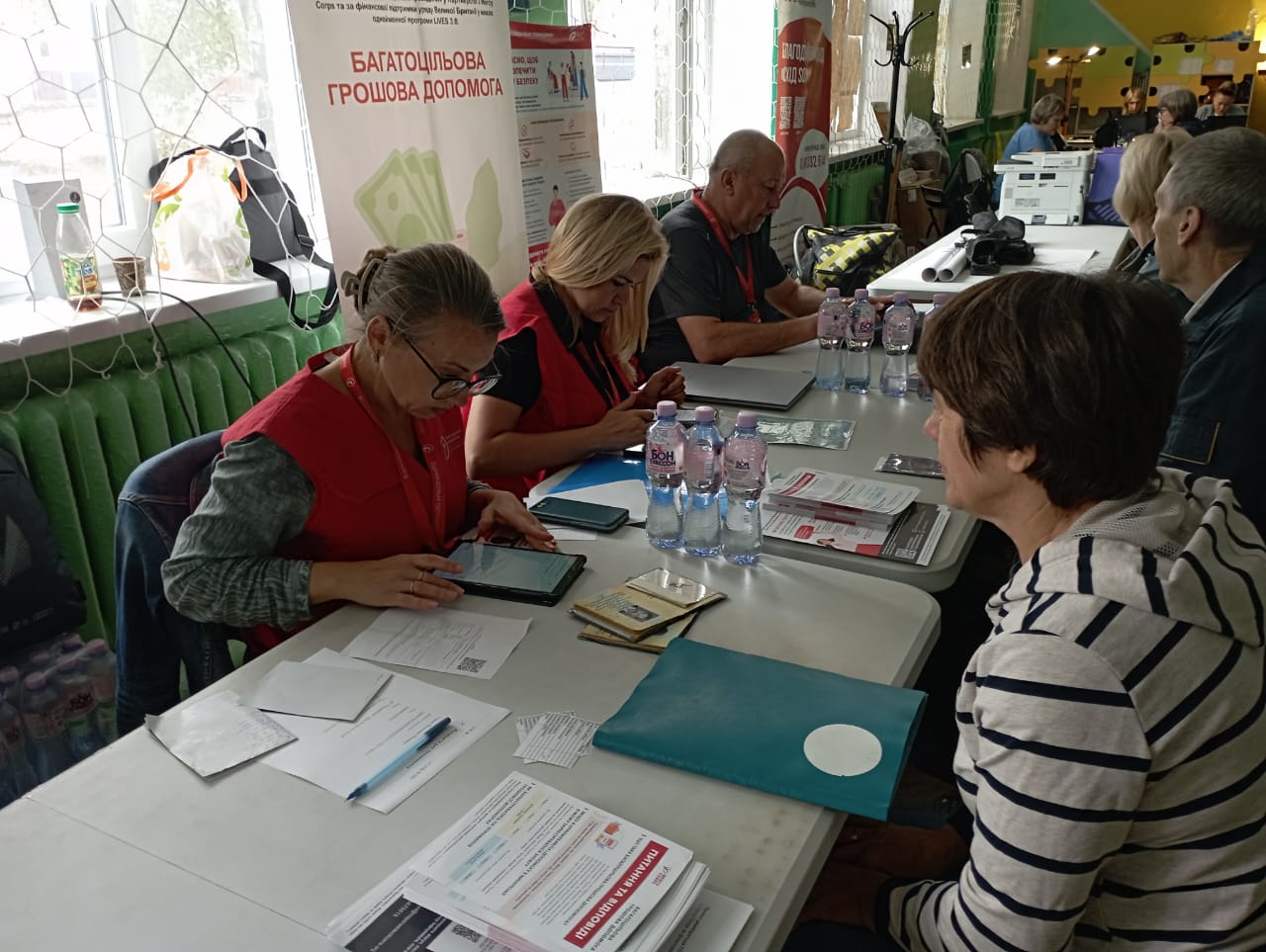
This assistance is part of the project “Local, Inclusive and Multi-Sectoral Emergency Assistance to Conflict-Affected Population in Ukraine” implemented by Responsible Citizens in partnership with Mercy Corps Ukraine and funded by the UK Government.