
Voices of Donetsk Region: Partnership for Community Support
Thousands of residents of Donetsk region were forced to leave their homes due to the security situation. In other regions of Ukraine, they need not only basic assistance but also opportunities to preserve their identity, participate in cultural and educational life, and access services for children and families. To meet these needs, a Network of Civil Society Organizations of Donetsk region is being established, aimed at uniting the efforts of communities, authorities, and civic initiatives.
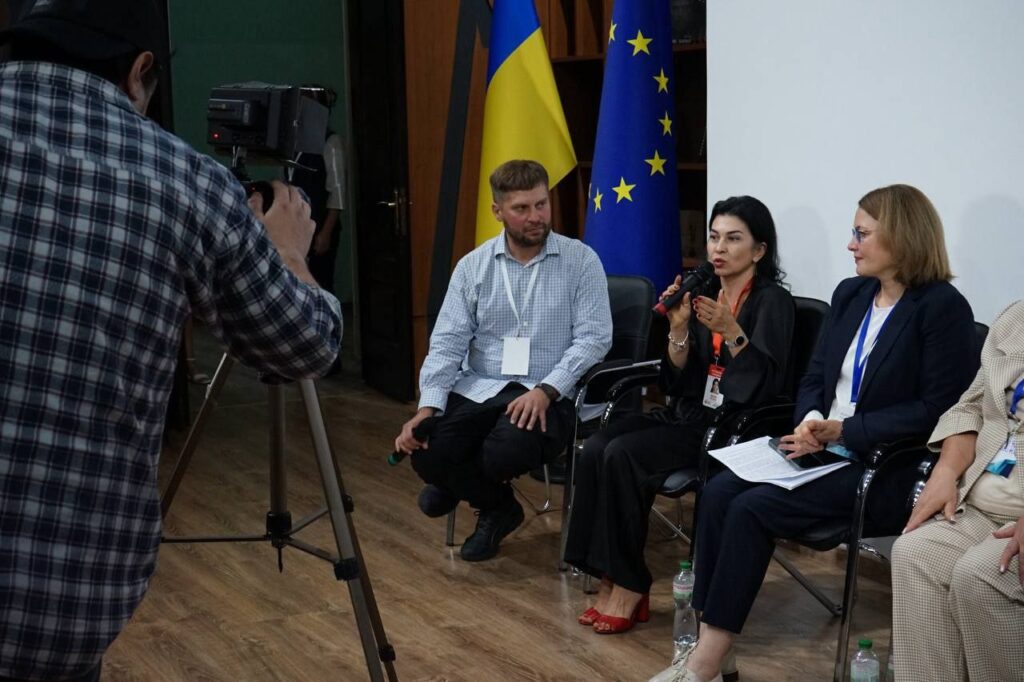
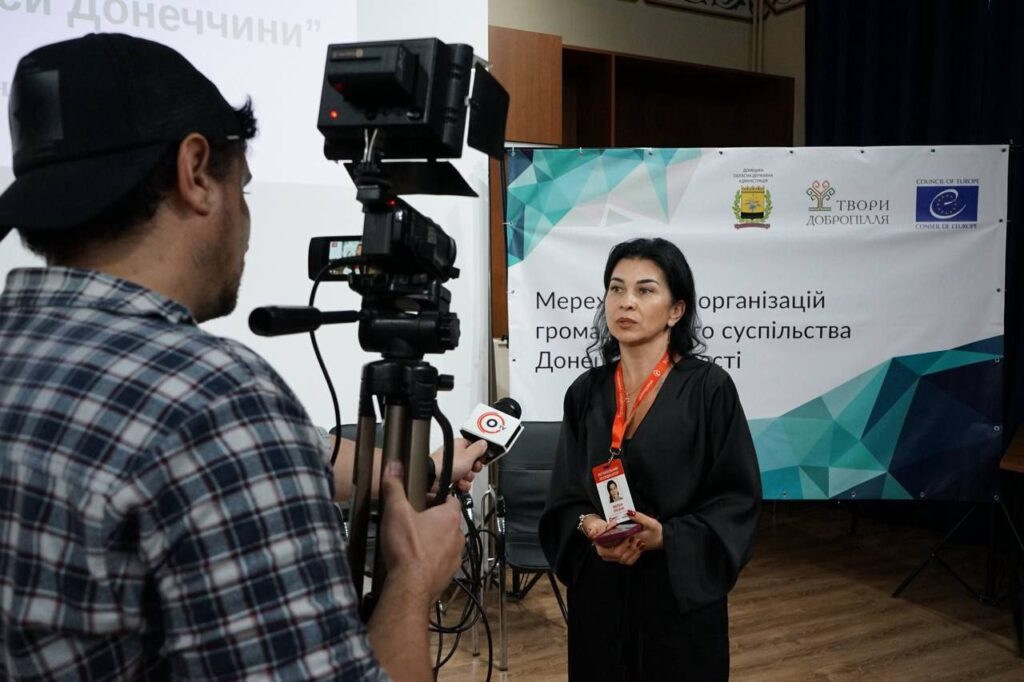
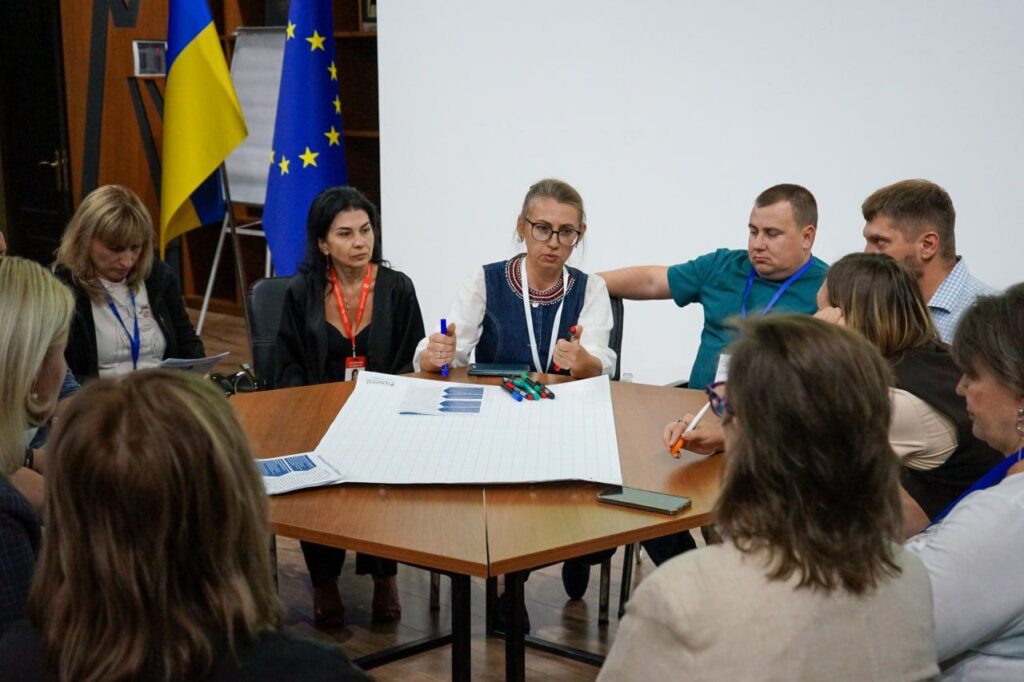
The Partnership and Cooperation Forum “Voices of Donetsk Region” has become an important platform for discussing these challenges, presenting the Network’s Roadmap, and developing joint solutions.
Oksana Ivatina, regional coordinator of NGO “Responsible Citizens” in Donetsk region, joined the forum, sharing the organization’s practical experience in supporting families with children during relocation:
“Child-friendly spaces that operated in Donetsk region have proven their effectiveness and remain in high demand. Despite the evacuation of psychosocial support centers, we continue supporting families through mobile teams, ensuring continuity of services.”
The importance of synergy between civil society organizations and local authorities was particularly emphasized. The cooperation between “Responsible Citizens” and Myrnohrad community demonstrated how coordinated actions help maintain the sustainability of assistance:
“After the security situation worsened, we supported the evacuation of families with children and provided their accompaniment to Tsarychanska community in Dnipropetrovsk region, where a mobile team was relocated together with the necessary resources. Considering the challenges, we are ready to apply this approach in the future and transfer Child-Friendly Spaces to safer regions,” added Oksana Ivatina.
The forum became another step in strengthening partnerships that help Donetsk communities remain united even in forced relocation and jointly build the region’s future.

Більше новин
-
 “In all the years of war, this is the first time I’ve received assistance,” shared 63-year-old Natalia Mykolaivna from Kehychivka in the Kharkiv region
When the full-scale invasion began, Natalia and her family made the decision to stay home. Besides the difficulty of leaving their home, where they had lived their ...
-
 Space of opportunities: how UNICEF and partners are saving children’s futures
“Mom, when are we going to the Space again?” — Sashko eagerly awaits each visit because it was there that he truly started speaking for the first time.
-
 Child-Friendly Spaces foster stability for families amid conflict
In the Kharkiv region, there are currently seven Child-Friendly Spaces created within a UNICEF project with financial support from USAID.
-
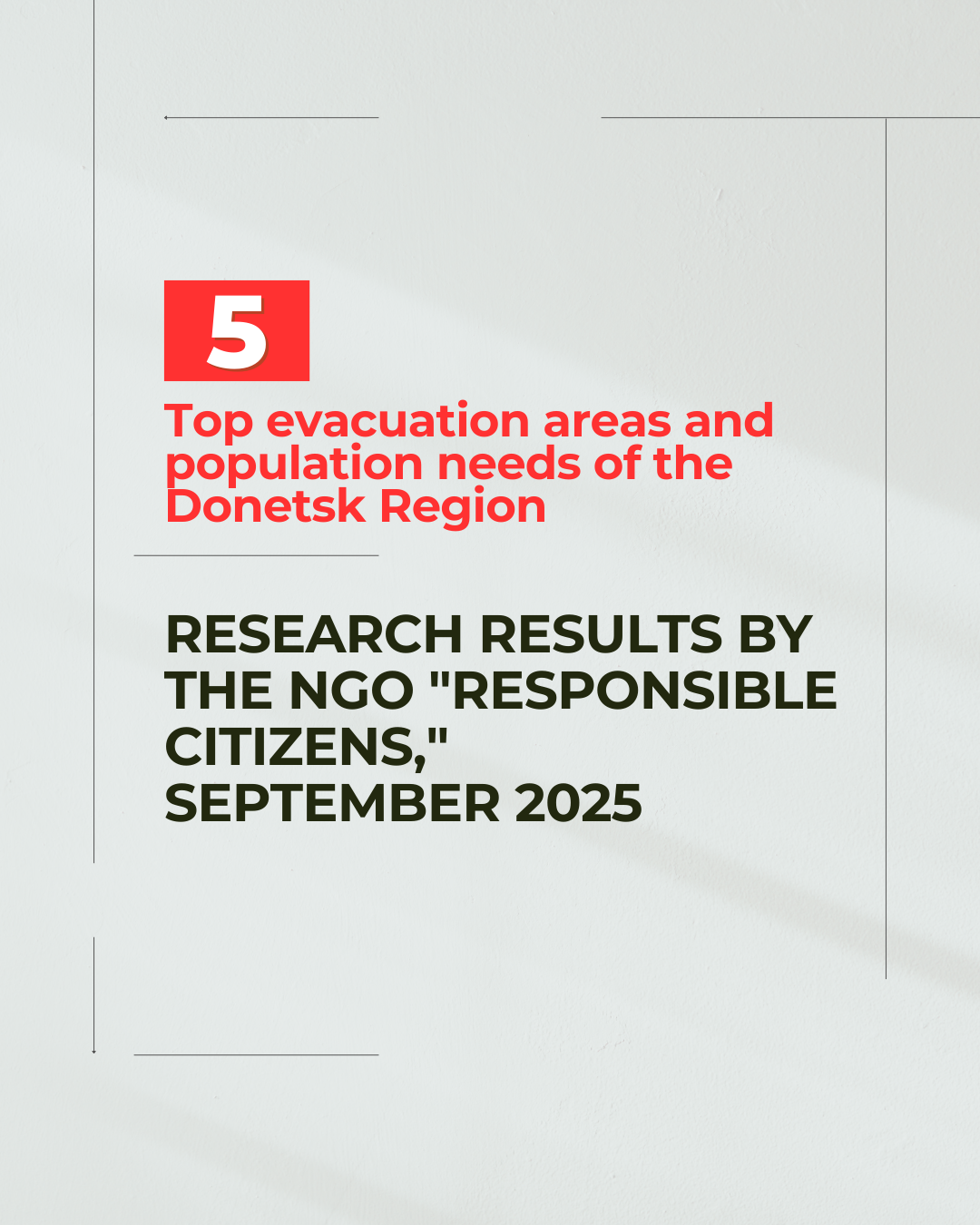 NGO Responsible Citizens conducted an evacuation survey in Donetsk region
NGO Responsible Citizens surveyed 1,004 people in Donetsk region to better understand the scale of displacement and current humanitarian needs. Such studies help to plan actions that address the challenges families face every day.
-
 How social assistance changes lives: the story of Yulia’s family from Kryvyi Rih
“We needed this psychological support because there were issues we didn’t know how to handle or resolve on our own,” Yulia admits. UNICEF’s support became a lifeline for the family during their toughest moments.
-
 Let’s unite in the “16 Days Against Violence” campaign!
Every year, from November 25 to December 10, the world unites for the “16 Days Against Violence” campaign. This initiative holds special significance in...
-
 “I will gain experience and open a family-type children’s home. This is my dream,” says Ivan, a social worker from Kryvyi Rih.
Ivan's story is about how small actions grow into big dreams. As a schoolboy, he helped displaced people from Donetsk and Luhansk regions—collecting sweet gifts for children, writing motivational notes, and joining volunteer initiatives. Back then, he had no idea that this help would be the beginning of a long journey.
-
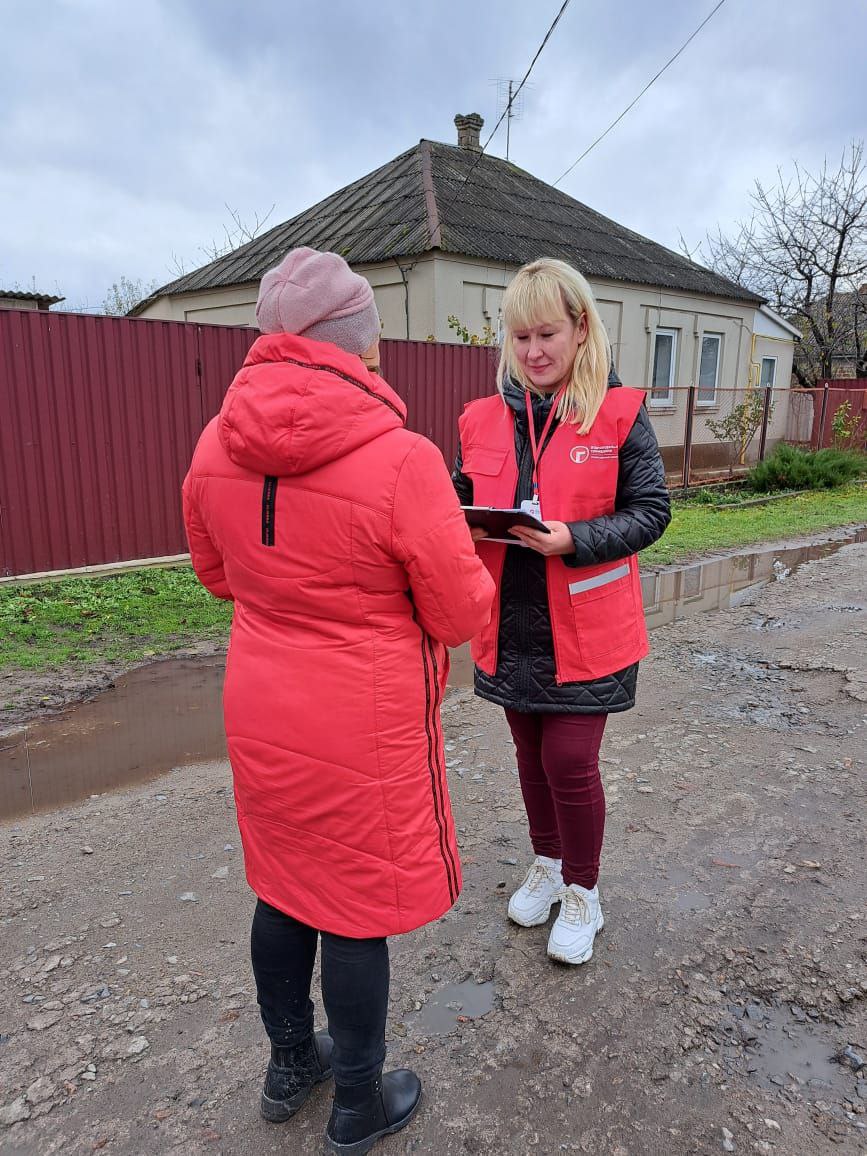 How Residents of Frontline Communities Assess their Readiness for a Possible Escalation
Our team conducted anonymous surveys on social media to better understand how prepared people from communities near the front line are for a potential escalation. More than 720 people took part. According to the survey results, 67% of respondents said they do not have the financial means to rent housing in case of evacuation.