
Strengthening child protection: supporting families and preventing institutionalization
Ensuring that every child can grow up in a safe family environment is one of the key principles of child rights protection. During wartime, the need to support families and prevent the separation of children from their relatives has become even more urgent.
Regional coordinator Oksana Ivatina completed training under the “Advocacy for the Right of the Child to Family Environment and Better Care” program, organized by Save the Children. Participants studied the key provisions of the UN Convention on the Rights of the Child, the principles of the child’s best interests, and the role of family care in a child’s development.
Special attention was given to the issue of institutionalization, its consequences, and ways to reform the child care system, emphasizing the importance of alternative care and family support to prevent children from being placed in institutional facilities. A significant part of the training focused on advocacy mechanisms that help drive changes in child protection systems and the role of NGOs in this process. The training also covered safety standards in working with children, including safeguarding principles and mechanisms for monitoring children’s rights.
“In our work, we face daily challenges that affect the well-being of children and their families. Ensuring better care for every child is not just about changing approaches but about creating a safe environment where children can develop, receive support, and realize their rights. That is why we pay special attention to child protection issues, particularly in frontline communities,” noted Oksana Ivatina.
The knowledge gained will enable us to provide more effective family support and reduce the number of children placed in institutional care. We continue working to ensure that every child has the opportunity to grow up in a nurturing environment and reach their full potential, even in the most challenging conditions.


Більше новин
-
 ‘Responsible Citizens’ Board Head joins mental health events led by Olena Zelenska
Olga Kosse participated in events dedicated to World Mental Health Day in Kyiv.
-
 Child-Friendly Spaces foster stability for families amid conflict
In the Kharkiv region, there are currently seven Child-Friendly Spaces created within a UNICEF project with financial support from USAID.
-
 NGO Responsible Citizens surveyed 1,004 people in Donetsk region to assess displacement trends and humanitarian needs
NGO Responsible Citizens surveyed 1,004 people in Donetsk region to better understand the scale of displacement and current humanitarian needs. Such studies help to plan actions that address the challenges families face every day.
-
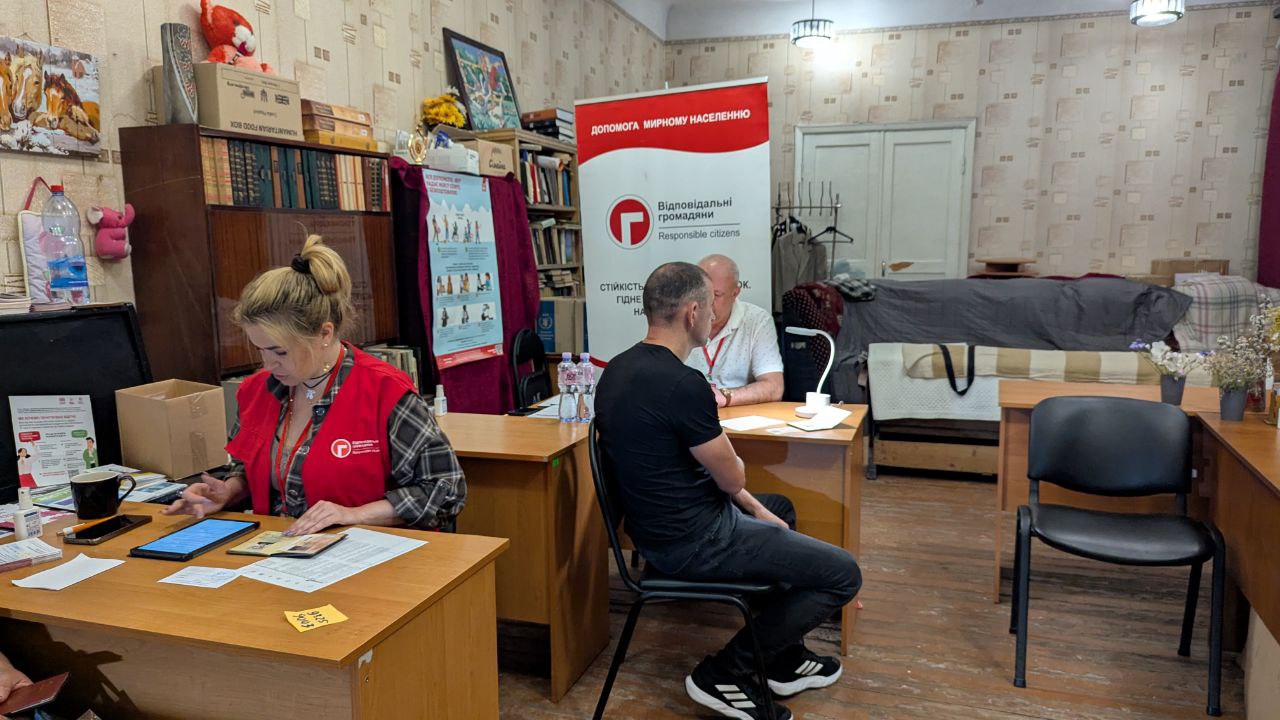 We have completed another stage of the project to provide multi-purpose cash assistance to those affected by the war
The NGO "Responsible Citizens," in partnership with Mercy Corps and with funding from the UK government, has successfully completed another stage of the project aimed at supporting people affected by the war.
-
 “Responsible Citizens” supported children for academic achievements in Dnipropetrovsk Region
NGO”Responsible Citizens” continues to actively support children who have lost parental care. During the scholarship award ceremony, organized by the Dn...
-
 Art as a lifeline: How mobile teams empower children in remote Ukrainian communities
10-year-old Daria lives with her mother, Hanna, in the village of Havrylivka, Kharkiv region. In this remote settlement of the Barvinkivska community, home to fewer than two thousand people, a mobile team from UNICEF and the NGO "Responsible Citizens" regularly visits. The team includes a social worker, a psychologist, and an art therapist.
-
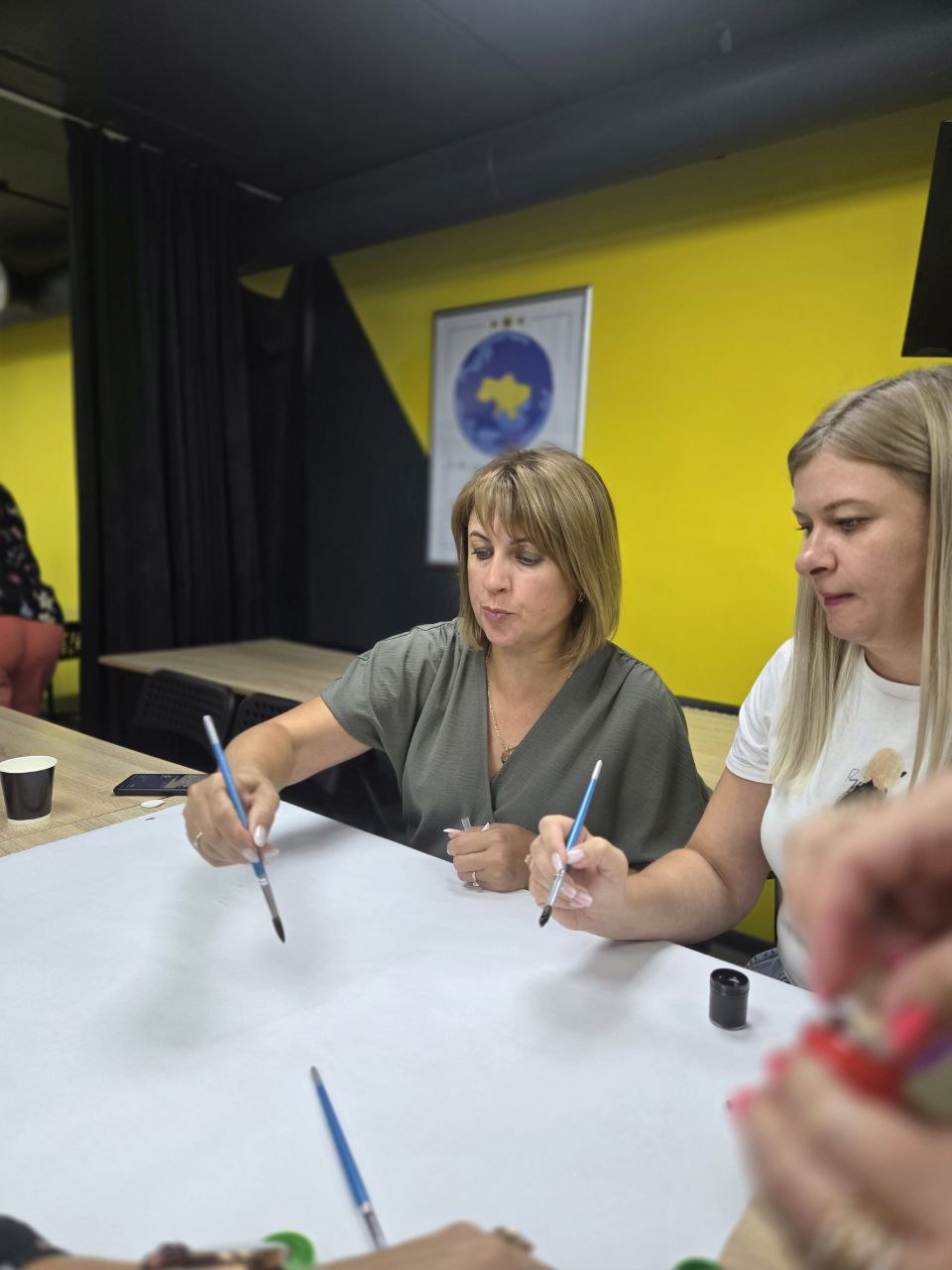 Systematic Support for Families with Children
In partnership with UNICEF, Responsible Citizens NGO continues to strengthen family support by combining practical assistance to communities with professional training for social sector specialists.
-
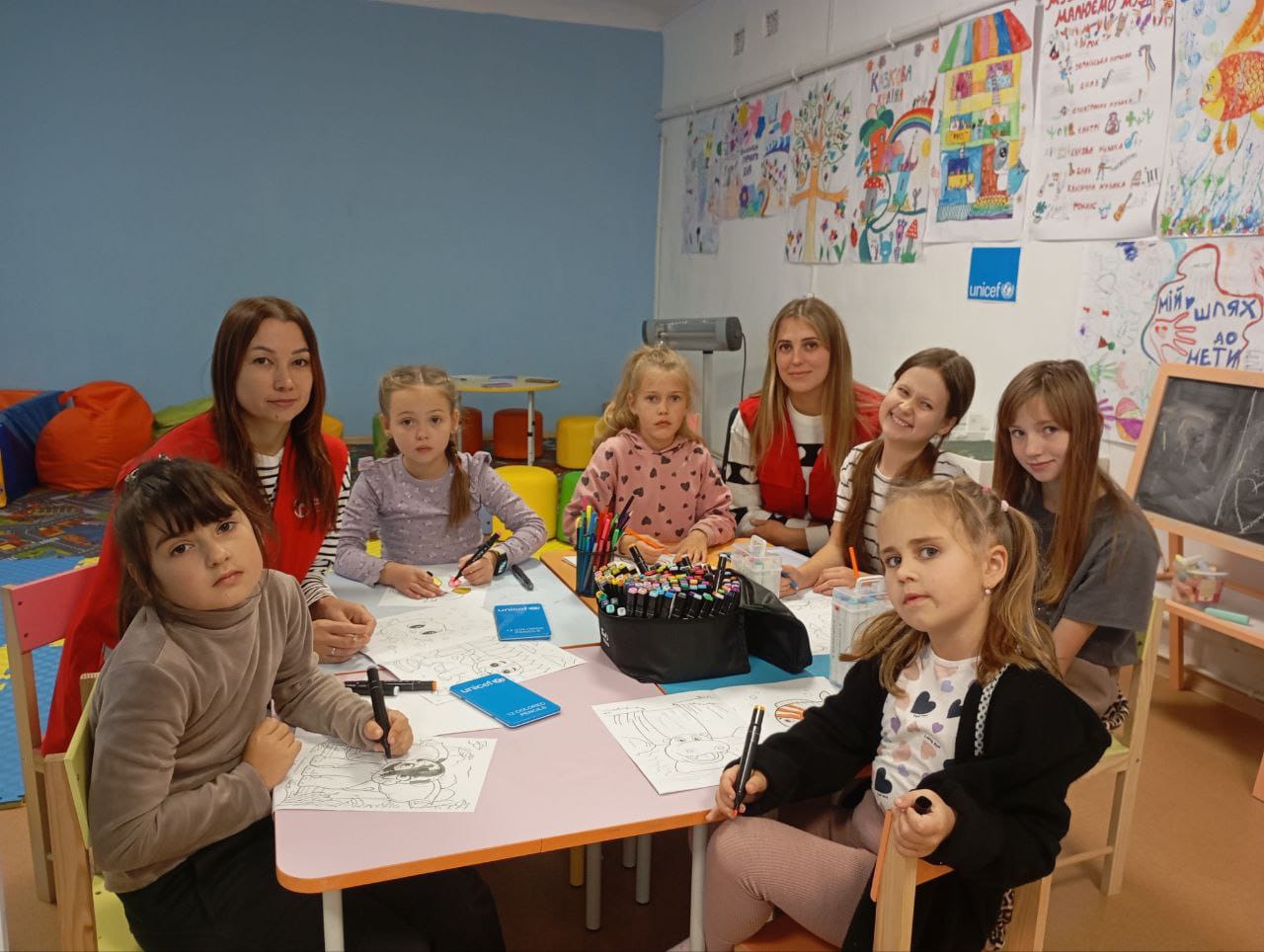 November 2 — Social Workers’ Day
This day is an opportunity to thank those who support people in difficult life circumstances every single day. Social workers step in when all other resources are exhausted — when a person has lost their home, loved ones, job, or sense of safety.