
Where risks increase — we strengthen our presence
Більше новин
-
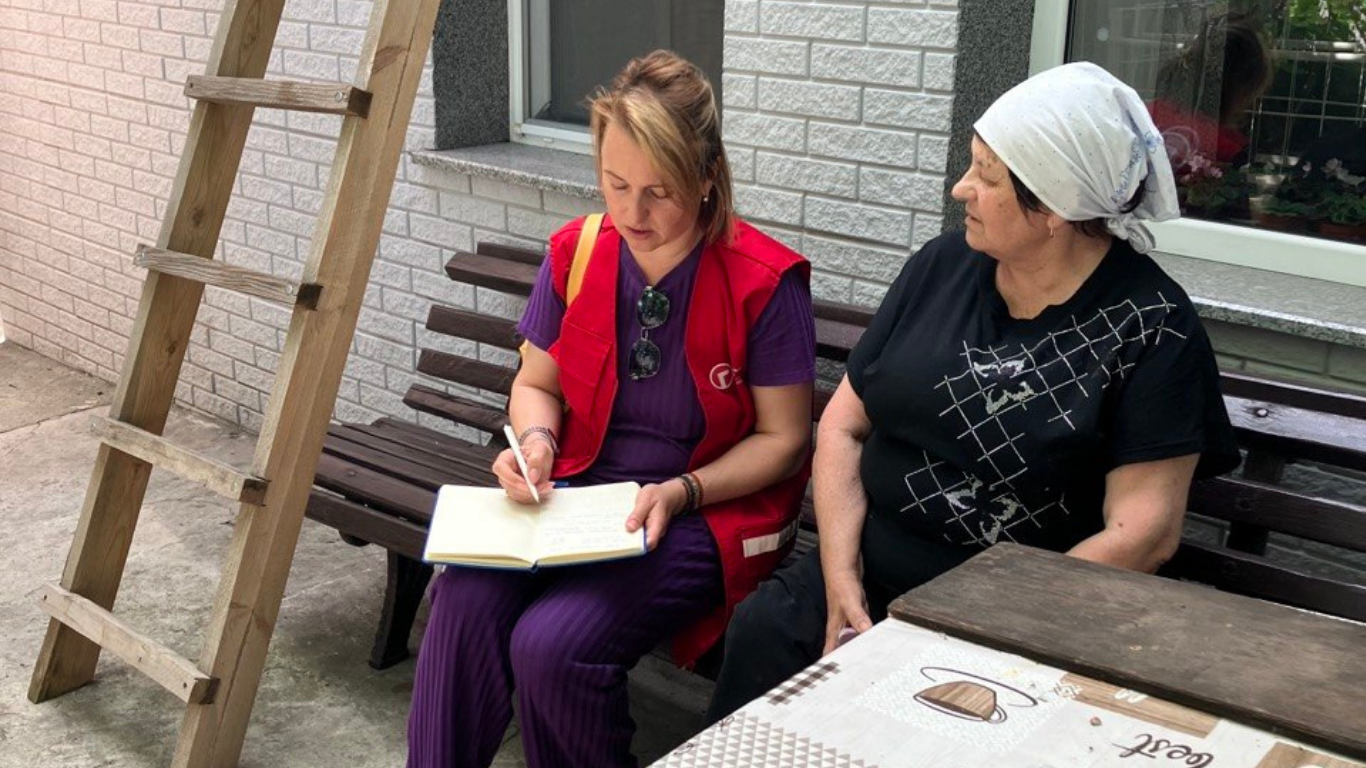 “After shelling, people forget even their loved ones’ phone numbers. Our job is to help them regain stability.”
When a missile or drone hits a residential building, it may seem that the worst is already over. In reality, however, the hardest part often begins after the explosion—shock, disorientation, and the loss of a sense of safety. It is at this moment that the mobile teams of the NGO Responsible Citizens deploy to support people in the Dnipropetrovsk, Donetsk, and Zaporizhzhia regions.
-
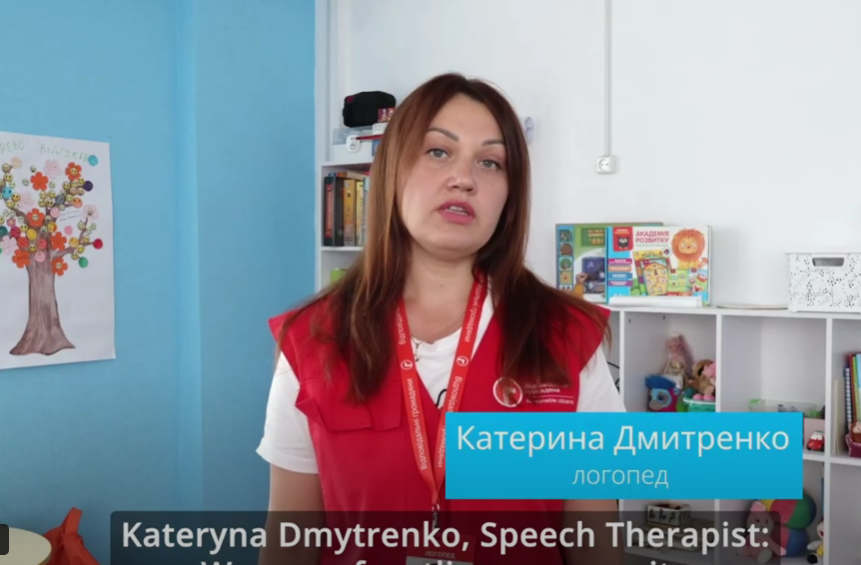 Support in the frontline zone: Psychologists and specialists help families persevere
In the frontline Malynivka community, war impacts every aspect of life, but the strength of unity and support helps children and families overcome challenges. The Child-Friendly Space, created with UNICEF Ukraine’s support, becomes a hub of hope and development.
-
 Support that changes lives: Yulia’s story from Kramatorsk
Yulia had always been someone who supported others. In Kramatorsk, Donetsk region, she worked as a teacher, helping children understand the world and find their pla...
-
 More than 100 families from Myrnohrad received support thanks to “Responsible Citizens” NGO
"Your efforts for the safety of children deserve the utmost respect," — these words of support are most often heard by families who seek help from our specialists.
-
 In Kryvyi Rih, our team took part in the socio-educational hub “Together for the Child”
The event was organized to mark the International Day of the Social Pedagogue, celebrated on October 2.
-
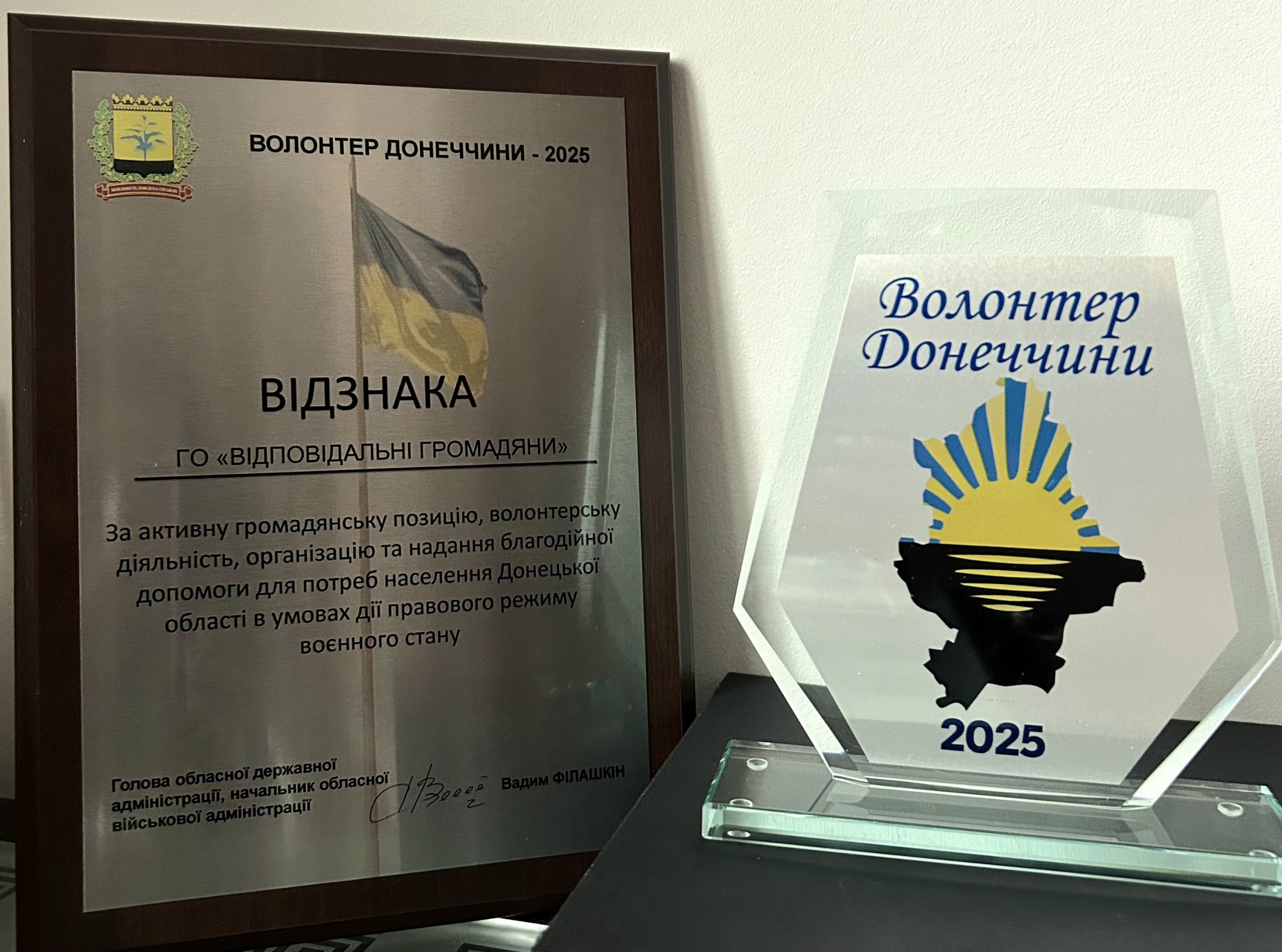 NGO “Responsible Citizens” became the winner in the nomination “Light of Knowledge: Charity in the Name of the Future” at the forum “Donetsk Region 2025: A Look into the Future.”
The forum became an important platform for strengthening dialogue between the state, local authorities, and the civic sector.
-
 Educational forum “Points of Support”: How to support students and teachers in times of ongoing challenges
A two-day educational and resource forum, "Points of Support," took place in Dnipro, bringing together educators from across Ukraine. The main goal of the event was professional collaboration to find effective solutions for students' psychological resilience and the educational process as a whole.
-
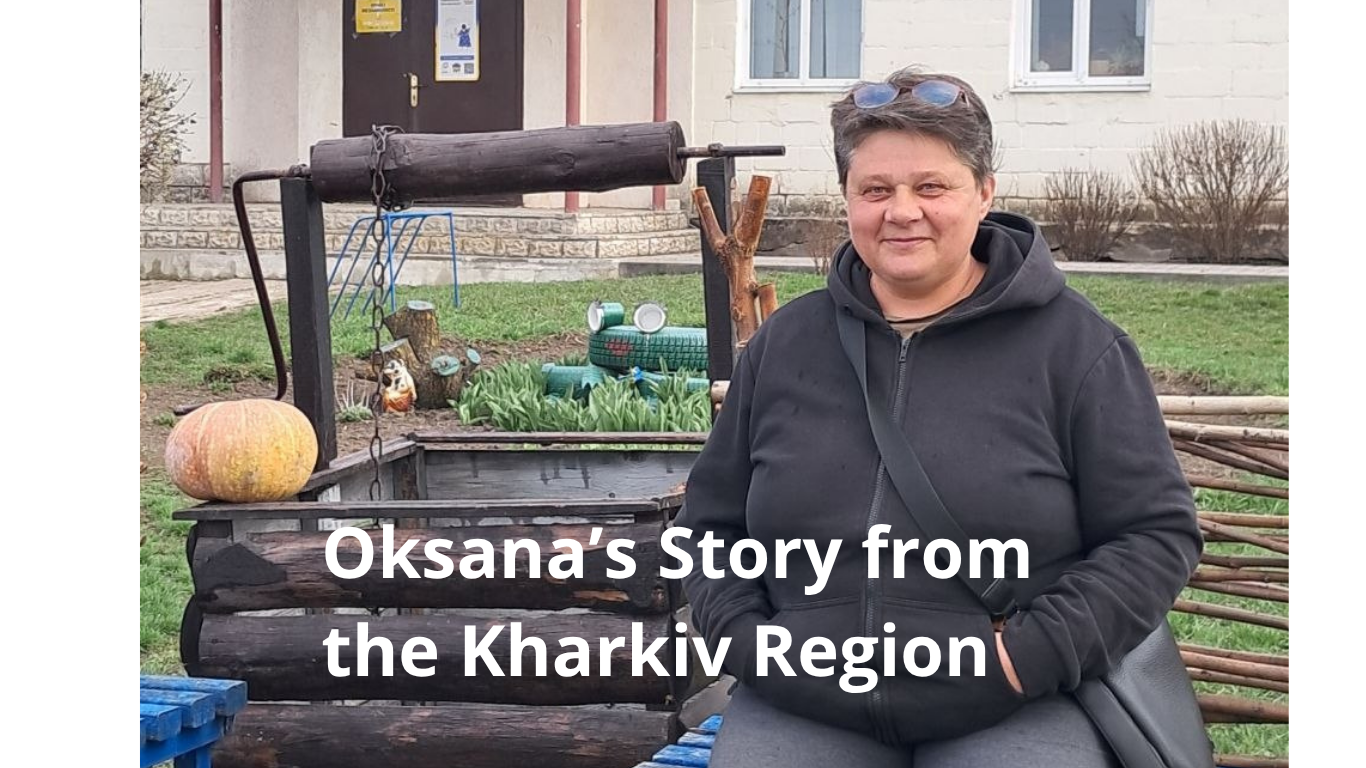 “I remember shells flying toward my home” — the story of Oksana from Kharkiv Oblast
Oksana lives with her son and her 12-year-old grandson in a small village in Kharkiv Oblast. Before the full-scale war, she worked in agriculture, had a stable inco...